You’re staring at your screen, wondering if you should trust another Hibt cryptocurrency trading platform registered in Canada with your hard-earned money. It’s a fair question. The crypto world is littered with exchanges that promised the moon and delivered dust. But Hibt isn’t just another fly-by-night operation; it’s a Canadian-registered entity with Money Services Business (MSB) licenses, serving over 3 million users as of early 2025. If you’re looking for a spot to trade derivatives or hunt for high-potential altcoins without paying Binance-level fees, this might be your playground. But there are catches-big ones, like no fiat deposits and geo-restrictions that block US users. Let’s break down what actually happens when you sign up.
What Exactly Is Hibt?
Hibt is a global cryptocurrency exchange established in 2021 in Oshawa, Canada. Unlike some offshore platforms that operate in legal gray zones, Hibt leans into regulation. They hold MSB licenses, which means they play by certain rules regarding anti-money laundering (AML) and know-your-customer (KYC) protocols. This isn’t just bureaucratic fluff; it adds a layer of legitimacy that many newer exchanges lack.
The team behind Hibt claims to have over 200 professionals with deep roots in financial technology. Their goal? To help investors find those next big winners among thousands of coins while keeping the trading experience smooth. As of late 2025, the platform lists more than 700 trading pairs. That’s a lot of options. Whether you’re into Bitcoin, Ethereum, or obscure tokens from emerging ecosystems, you’ll likely find something to trade here.
Fees and Trading Conditions
Let’s talk numbers, because nobody likes hidden costs. Hibt keeps its fee structure relatively simple, though not always the cheapest on the market. For spot trading, you pay 0.2% whether you’re a maker or a taker. Compare that to Coinbase’s often higher retail fees, and you’re already saving a bit. But where Hibt gets interesting is futures trading. Here, both maker and taker fees drop to 0.05%. That’s competitive, especially if you’re an active trader using leverage.
You can use up to 1:125 leverage on futures contracts. Just remember, high leverage cuts both ways-it amplifies gains but also wipes out accounts faster than you can say "liquidation." The minimum trade size for futures is 5 units, and the minimum withdrawal amount is generally around 5 USDT, though this varies by coin.
| Feature | Hibt | Binance (Standard) | Coinbase (Advanced) |
|---|---|---|---|
| Spot Maker/Taker Fee | 0.2% | 0.1% | 0.4% - 0.6% |
| Futures Maker/Taker Fee | 0.05% | 0.02% - 0.05% | N/A (Limited Futures) |
| Max Leverage | 1:125 | 1:125 | Varies |
| Fiat Support | No | Yes | Yes |
Hibt also uses a 10-level fee structure, likely tied to VIP tiers based on trading volume. If you’re moving serious capital, you might negotiate better rates, but for casual traders, the base rates apply.
The Big Drawback: No Fiat On-Ramps
Here is the dealbreaker for many beginners: Hibt does not support fiat currency deposits or withdrawals. You cannot link your bank account and send USD or EUR directly to buy Bitcoin. All transactions must happen in crypto. This means if you want to start trading on Hibt, you need to buy crypto elsewhere first-say, on Coinbase or Kraken-and then transfer it to Hibt. This adds friction and potential network fees to your entry process.
Why would they do this? Likely to simplify compliance and reduce banking overhead. But for new users, it creates a barrier. You’re essentially entering a closed loop where you need existing crypto holdings to participate. Once you’re in, however, moving between coins is fast and cheap.

Security: How Safe Is Your Money?
Security is the elephant in the room for any exchange. Hibt addresses this head-on. They store 90% of user funds in multi-signature cold wallets. "Multi-signature" means multiple private keys are required to authorize a transaction, making it much harder for hackers to drain accounts even if they breach one system. Cold storage keeps these assets offline, away from internet-based attacks.
In January 2025, Hibt launched a Security Upgrade Package to bolster defenses against evolving cyber threats. They enforce Two-Factor Authentication (2FA) across the platform. While this might feel like a hassle during login, it’s non-negotiable for safety. Never skip it.
One warning from their docs: avoid using jailbroken or rooted devices. These operating systems can expose vulnerabilities that allow malware to intercept your credentials. Also, remember that crypto transactions are irreversible. If you send funds to the wrong address outside the platform, they’re gone. Hibt doesn’t control external wallet errors.
Who Can Actually Use Hibt?
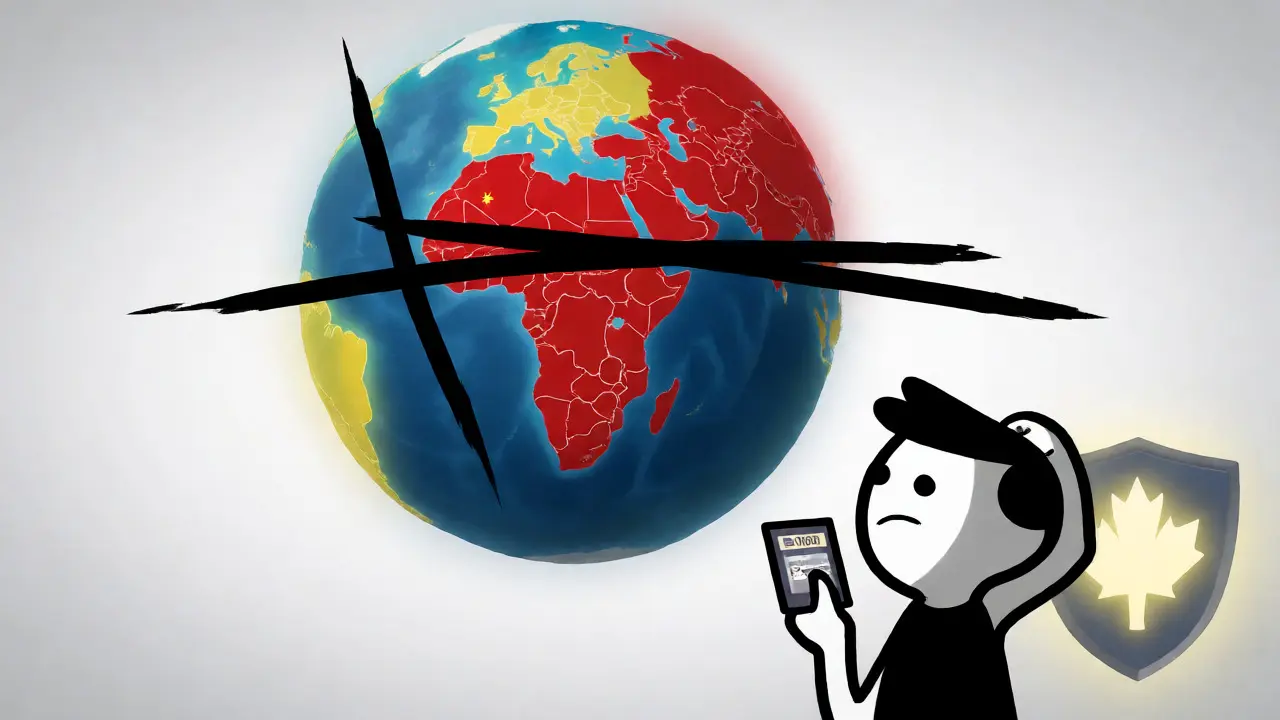
This is crucial. Hibt enforces strict geo-restrictions. Users from 29 countries are blocked, including the United States, China, Iran, Iraq, Syria, and Venezuela. If you live in the US, you cannot legally open a Hibt account. Attempting to bypass this via VPNs can lead to frozen funds during KYC checks. Always check the current list of restricted jurisdictions before signing up.
For eligible users, the KYC process is standard. You’ll need to provide ID and proof of address. Hibt frames KYC as a safety feature, arguing that verified users create a cleaner marketplace. While it takes time upfront, it helps prevent fraud and ensures regulatory compliance.
User Experience and Support
As of now, Hibt does not offer a dedicated mobile app listed in primary specifications, which is a notable gap compared to competitors like Binance or Bybit who prioritize mobile-first interfaces. Most interaction happens via the web interface. For desktop traders, this is fine. For those who want to trade on the go, it’s a limitation.
Customer support is available 24/7 through live chat, email, and Telegram. In my experience with similar mid-tier exchanges, response times can vary. During peak volatility, expect delays. There isn’t extensive public data on satisfaction ratings yet, likely because the platform is still building its reputation relative to giants like Coinbase.
Pros and Cons at a Glance
- Regulated: Canadian registration and MSB licenses add credibility.
- High Asset Variety: 700+ trading pairs mean plenty of altcoin opportunities.
- Low Futures Fees: 0.05% maker/taker is attractive for derivative traders.
- Strong Security: 90% cold storage and multi-sig protection.
- No Fiat Deposits: You must bring your own crypto; no direct bank transfers.
- Geo-Restrictions: Blocked in major markets like the US and China.
- Limited Mobile Presence: Lack of a prominent mobile app hinders convenience.
Final Verdict: Who Should Trade on Hibt?
Hibt isn’t for everyone. If you’re a beginner in the US wanting to buy Bitcoin with a credit card, look elsewhere. But if you’re an experienced trader in an eligible region, already holding crypto, and looking for low fees on futures or access to a wide range of altcoins, Hibt deserves a look. Its regulatory stance provides peace of mind that many offshore exchanges lack. Just ensure you understand the deposit limitations and geographic constraints before transferring significant funds.
Can I deposit USD directly into Hibt?
No, Hibt does not support fiat currency deposits. You must transfer cryptocurrency from another wallet or exchange to fund your account.
Is Hibt available in the United States?
No, the United States is one of the 29 restricted countries. US residents cannot create accounts due to regulatory restrictions.
How secure are funds on Hibt?
Hibt stores 90% of user funds in multi-signature cold wallets, which are offline and require multiple keys to access, significantly reducing hacking risks.
Does Hibt have a mobile app?
Currently, Hibt primarily operates via a web interface. A dedicated mobile app is not prominently featured in their main specifications, so check their official site for updates.
What are the trading fees on Hibt?
Spot trading fees are 0.2% for both makers and takers. Futures trading fees are lower at 0.05% for both makers and takers.



Chukwunanu Sunday
chill read, i like the part about cold storage. most people ignore that and get wrecked. nice to see a canadian exchange actually doing something right for once.