Blockchain Cost Calculator
Estimate Your Token Transaction Costs
Compare blockchain fees for your social token transactions
For years, creators have been stuck in a broken system. They pour hours into content, grow massive followings, and still make pennies while platforms take half their earnings. Instagram, YouTube, TikTok - they all profit from your work, but you rarely own your audience. That’s changing. Social token platforms are giving creators real power: the ability to turn fans into stakeholders, and followers into a self-sustaining economy. This isn’t theory. It’s happening right now.
What Exactly Are Social Tokens?
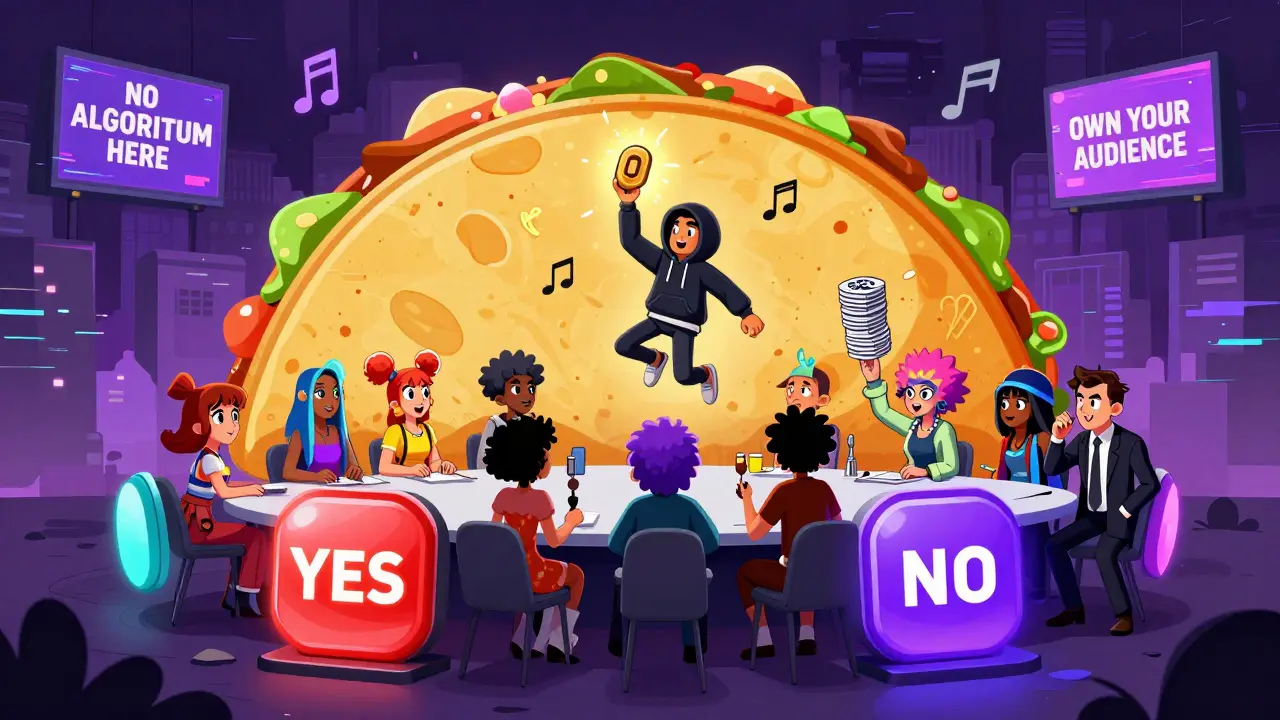
A social token is a digital asset built on a blockchain that represents access, status, or participation in a creator’s community. Think of it like a membership card, but instead of plastic, it’s code. You buy it. You hold it. And in return, you get things like exclusive content, early access to drops, voting rights, or even a share of future revenue.
Unlike Bitcoin or Ethereum, social tokens aren’t meant to be traded like stocks. They’re designed to be used - inside a community. A musician might issue a token that unlocks unreleased tracks. A fitness coach could offer token holders access to live Q&As. A game developer might let token owners vote on new features. The value isn’t just in price - it’s in what the token lets you do.
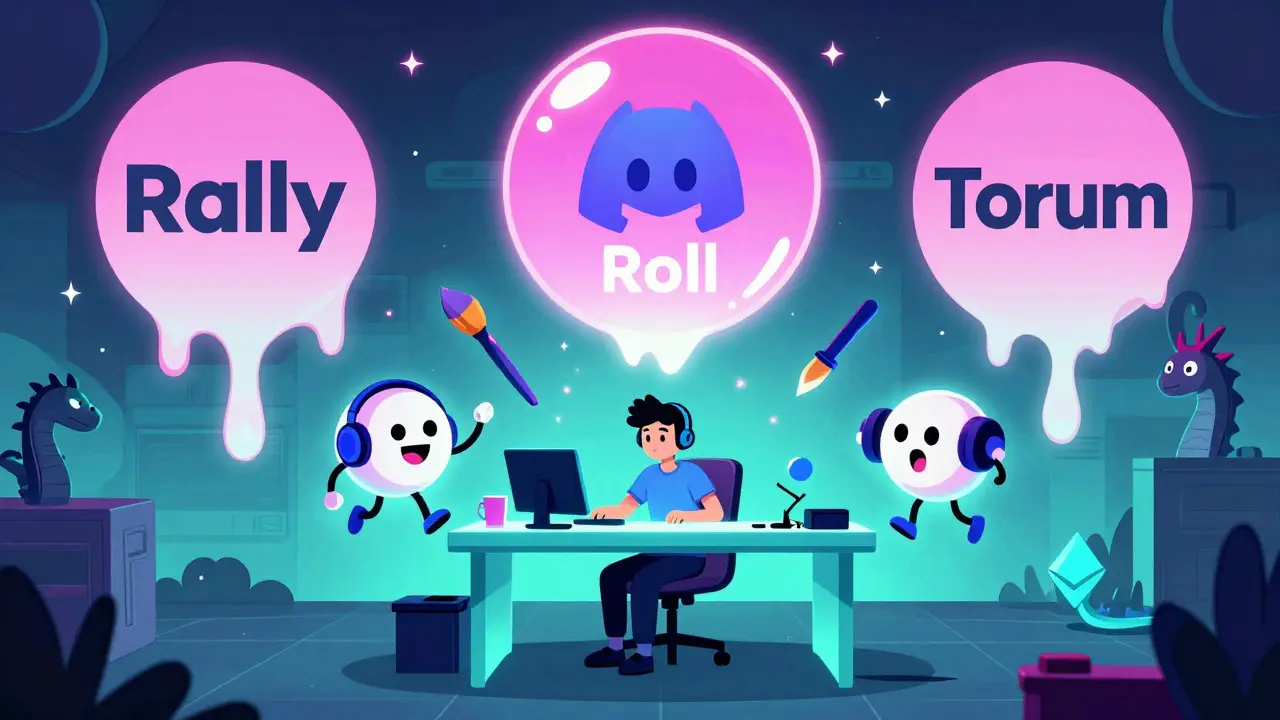
Platforms like Rally, Roll, and Torum handle all the heavy lifting. You don’t need to know how blockchain works. You just need an idea and a community.
How These Platforms Work (No Coding Required)
Most social token platforms today are built for non-technical creators. You sign up, verify your identity, pick a name for your token, set a price, and launch. That’s it.
Rally, for example, lets you create a token in under an hour. You can set up token-gated Discord channels, link it to your Shopify store, and even schedule token unlocks over time. If someone buys your token, they instantly get access to your private space. No middleman. No platform cut. You keep 85-95% of what you earn.
Roll takes it further. It lets you build a DAO - a decentralized autonomous organization - where your community votes on decisions using tokens. Want to pick the next album cover? Let token holders vote. Need to approve a new merch drop? Require 3 out of 5 trusted members to sign off. This turns fans into co-owners.
And then there’s Torum, which integrates tokens directly into its social app. Creators earn tokens for posts, comments, and engagement. Moderators get rewarded for keeping the community clean. The more you contribute, the more tokens you earn - and the more influence you gain.
These platforms handle the blockchain side. You handle the community.
Ethereum vs. Solana vs. Polygon: Which Blockchain Should You Choose?
Not all social tokens run on the same blockchain. The choice affects cost, speed, and who can join your community.
- Ethereum is the most popular - used by 68% of creators. It’s secure, has deep liquidity, and connects to over 120 decentralized exchanges. But gas fees can be high. A simple transaction might cost $1.20. For small purchases, that’s a problem.
- Solana is fast and cheap. Transactions take 0.4 seconds and cost $0.00025. It’s perfect for high-volume interactions like daily giveaways or live chat rewards. But it’s had outages - four major ones in 2023. If reliability is key, this isn’t ideal.
- Polygon is the middle ground. Near-instant transactions, fees under a penny, and full compatibility with Ethereum tools. It’s growing fast, especially among creators who want Ethereum’s security without the cost.
Most new creators start with Rally (Ethereum) or SolSocial (Solana). If you’re targeting fans who already use crypto, go Ethereum. If you want speed and low cost, go Solana. Polygon is the quiet winner - underrated but reliable.
Platform Comparison: Rally, Roll, Kanga, Torum
Not all platforms are built the same. Here’s how the top four stack up:
| Platform | Blockchain | Setup Cost | Best For | Key Feature |
|---|---|---|---|---|
| Rally | Ethereum, Polygon | Free to launch, 15% on premium features | Beginners, musicians, coaches | Shopify integration, 24/7 support |
| Roll | Ethereum | $299 setup + 3% on trades | Advanced creators, DAO builders | Multi-sig treasury, Snapshot voting |
| Kanga Exchange | Multi-chain | $499 flat fee | Creators with NFTs, teams | Revenue sharing pools, unlimited holders |
| Torum | Binance Smart Chain | Free (earn tokens via engagement) | Community-driven projects, K-pop fans | AI-powered rewards, built-in social feed |
Rally wins for ease. Roll wins for control. Kanga wins for flexibility. Torum wins for engagement. Your choice depends on what you want to build.
Real Success Stories - And Why Some Fail
One musician launched a $MIKE token on Rally. Within a month, he made $8,200 from token-gated access to unreleased songs and live studio sessions. He didn’t need a label. He didn’t need a distributor. He just needed his fans.
A digital artist used Kanga Exchange to bundle tokens with NFTs. She recovered her $499 launch fee in 11 days. Her token holders now get first dibs on new art and a 10% cut of future sales.
But not everyone wins. A fitness influencer launched a token promising "exclusive coaching" - then vanished after the sale. No updates. No content. Fans lost trust. That project died in 30 days.
Here’s the truth: tokens don’t create communities. You do. If you treat your token like a cash grab, people will walk away. If you treat it like a shared mission, they’ll stick around.
Successful creators follow three rules:
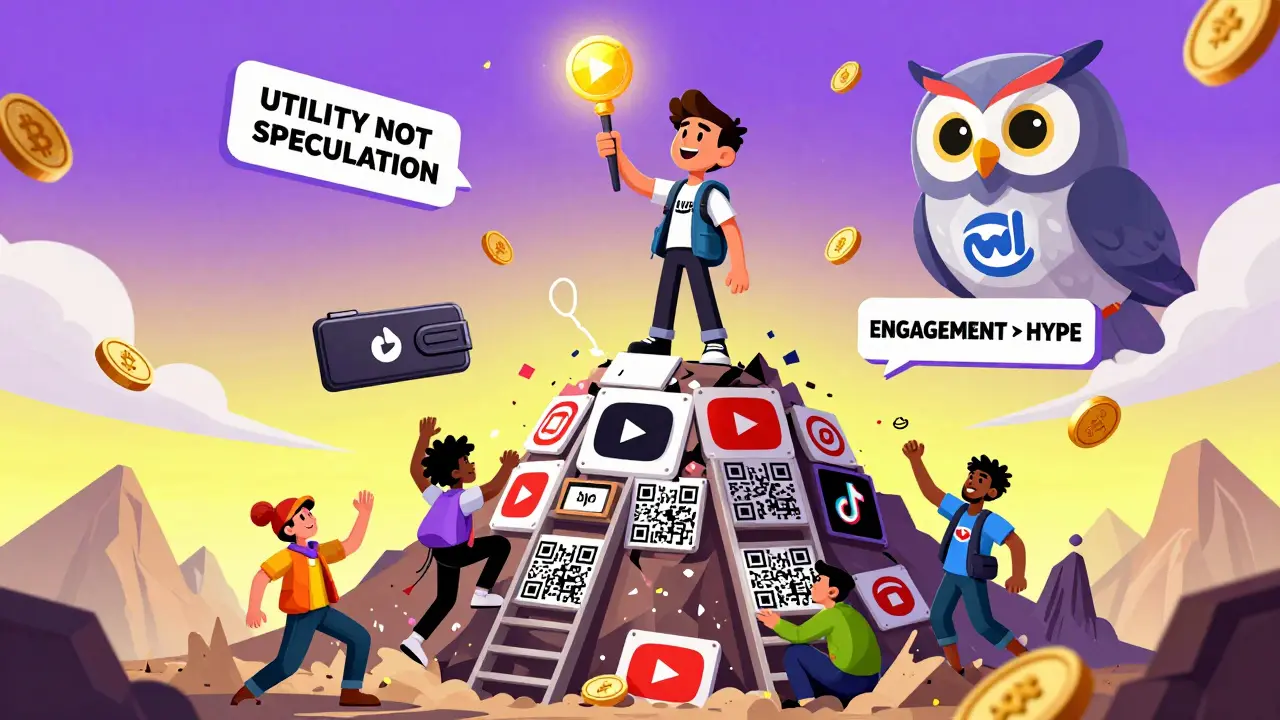
- Give real utility - access, voting, rewards, not just speculation.
- Engage daily - post updates, answer questions, host live events.
- Don’t promise returns - saying "your token will go up" risks legal trouble.
What You Need to Know Before You Launch
Launching a social token sounds simple. But there are traps.
Wallet onboarding is the biggest hurdle. Over 65% of creators say fans struggle to connect a crypto wallet. Most people don’t know what MetaMask is. You need to walk them through it - step by step. Create a short video. Write a simple guide. Make it idiot-proof.
Security matters. A 2024 study found 23% of tokens created on no-code platforms had critical code flaws. Roll Protocol avoids this by requiring third-party audits. If you’re serious, spend the money.
Legal gray areas exist. The SEC has started cracking down. If your token promises profit, it could be classified as a security. Avoid words like "investment," "return," or "profit." Focus on "access," "experience," and "participation."
Documentation is everything. Rally’s tutorials are clear, with 127 videos. SolSocial? Barely any. If you pick a platform with poor docs, you’ll waste weeks guessing how things work.
The Future: What’s Coming in 2025 and Beyond
Things are moving fast. In January 2025, Rally launched Token 2.0 - a cross-chain system that lets your token work on Ethereum, Solana, and Polygon at once. That’s huge. It means your fans can use whatever wallet they already have.
Roll just integrated with Shopify’s Hydrogen framework. That means 2.1 million Shopify stores can now offer token-gated products with one click. Imagine buying a limited-edition hoodie - but only if you hold your favorite artist’s token.
Torum’s new AI engine now scores engagement quality, not just quantity. A thoughtful comment earns more tokens than a "nice post!" That’s changing how communities interact.
And by Q3 2025, a new industry standard called Token Standards 2025 will launch. It’s backed by Ethereum, Solana, and major platforms. This will let tokens move freely between apps - like how email works across Gmail, Outlook, and Apple Mail.
The market is expected to hit $12 billion in creator token revenue by 2026. But only the platforms focused on real utility will survive. Those chasing hype will vanish.
Where Do You Start?
If you’re a creator thinking about social tokens:
- Start small. Pick one thing you can offer - a private Discord, a bonus track, a voting poll.
- Choose Rally if you’re new. It’s the easiest path.
- Build your community first. Your token is just the tool. The people are the product.
- Don’t rush. Launch, get feedback, improve. Don’t try to do everything on day one.
- Document everything. Make your process repeatable.
This isn’t about getting rich quick. It’s about building something that lasts. A community that owns its future. A creator who doesn’t answer to an algorithm.
The old model is broken. The new one is here. You just have to decide if you’re ready to take it.
Can anyone create a social token?
Yes. Most platforms like Rally and Torum require only an email, basic identity verification, and a clear idea of what value your token offers. No coding or blockchain knowledge is needed to get started.
Are social tokens the same as cryptocurrencies?
No. Cryptocurrencies like Bitcoin are designed as money or stores of value. Social tokens are tied to a specific community or creator and are meant to be used for access, rewards, or participation - not speculation.
How do fans buy social tokens?
Fans buy tokens directly through the creator’s platform using credit cards, PayPal, or crypto wallets. Platforms like Rally and Roll handle payment processing so creators don’t need to manage wallets themselves.
Can I make money just by holding a social token?
Some tokens offer revenue sharing - for example, a percentage of merchandise sales or subscription fees. But promising financial returns can trigger securities laws. Most successful creators focus on non-financial benefits like access, exclusivity, and influence.
What happens if the platform shuts down?
Your token is stored on the blockchain, so it still exists even if the platform disappears. But access to features like Discord gates or Shopify integrations may stop working. That’s why cross-chain support and open standards are becoming critical.
Is it legal to create a social token?
Yes, as long as you don’t market it as an investment. The SEC says tokens offering promotional benefits - like access or voting rights - are generally legal. But if you promise profits, price increases, or dividends, you could be violating securities laws.
How do I keep my community engaged after launch?
Consistency is everything. Post updates weekly, host live events, ask for feedback, and reward participation. Token holders want to feel like they’re part of something - not just customers. Use your token to deepen relationships, not just monetize them.


![What Is Pi [IOU] (PI)? Understanding the Difference Between IOUs and Real Pi Coin](/uploads/2026/07/thumbnail-what-is-pi-iou-pi-understanding-the-difference-between-ious-and-real-pi-coin.webp)
Shane Budge
Tokens aren't magic. You still need to show up.