Agricultural Crypto: What It Is and How Blockchain Is Changing Farming
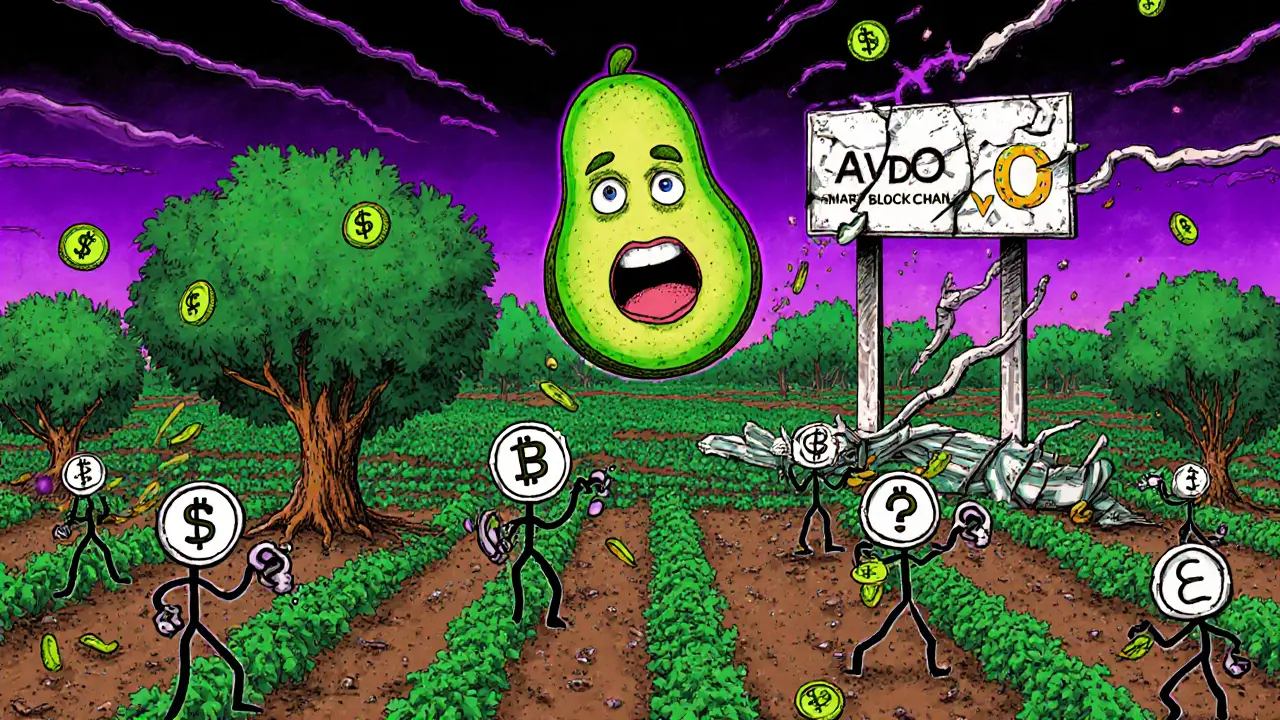
When you hear agricultural crypto, blockchain-based systems designed to support farming, food supply chains, and rural finance. Also known as AgriCoin, it's not about planting seeds with your phone—it's about using digital tokens and smart contracts to fix real problems farmers face every day. Think delayed payments, middlemen taking half your profit, or being locked out of loans because you don’t have a credit score. Agricultural crypto steps in to replace those broken systems with transparent, automated tools built on blockchains like Ethereum, Solana, and Polygon.
It’s not sci-fi. In Kenya, smallholder farmers are already using tokenized crop insurance that pays out automatically when satellite data shows a drought. In Brazil, coffee growers trade harvest futures as NFTs on decentralized platforms, cutting out brokers and getting paid in crypto within hours. Even in the U.S., farms are starting to accept crypto payments for produce, thanks to low-fee networks that don’t charge 3% like credit cards do. These aren’t experiments—they’re working solutions. And they’re all part of the same shift: turning agriculture from a cash-based, paper-heavy industry into a digital, trustless ecosystem.
Behind this movement are three big pieces: DeFi for agriculture, decentralized finance tools built specifically for food production, which lets farmers borrow against future harvests without banks; blockchain farming, using ledgers to track where food comes from, who handled it, and when it was harvested, so buyers know it’s organic or fair-trade; and crypto airdrops farming, free token rewards given to farmers who join networks, verify data, or use specific apps. These aren’t just buzzwords—they’re real tools you can use today. Some projects even pay you in tokens just for uploading weather data from your field.
But here’s the catch: most agricultural crypto projects are still small, risky, and scattered. You’ll find some with real teams and actual farms using them. Others? Just vaporware with fancy websites and no code. That’s why the posts below dig into the real ones—the platforms that actually work, the tokens that have trading volume, and the airdrops that still pay out. No fluff. No hype. Just what’s happening on the ground, from the fields of Uganda to the cooperatives of Ukraine. If you’re curious about how your next bag of rice or bottle of olive oil might be tied to a blockchain, this is where you start.