COREDAX Fees: What You Really Pay on This Crypto Exchange
When you trade on COREDAX, a cryptocurrency exchange platform that offers spot trading and margin options with low advertised fees. Also known as CoreDax, it positions itself as a cost-effective alternative to giants like Binance or Kraken. But what do you actually pay when you buy, sell, or swap crypto? It’s not just the percentage fee—it’s the slippage, withdrawal charges, and hidden spreads that eat into your profits.
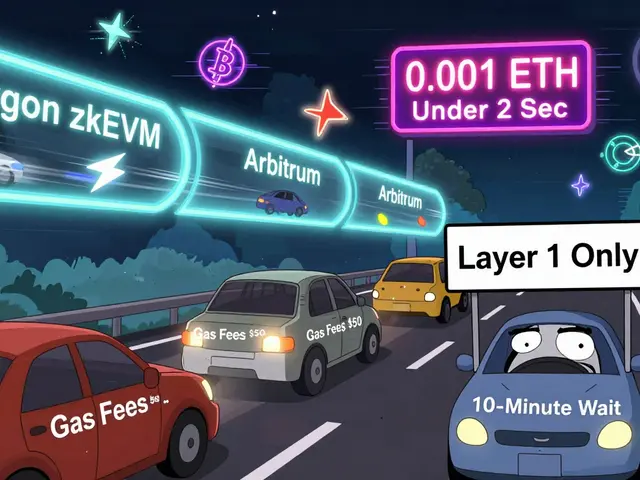
Most exchanges charge a flat taker fee of 0.1% to 0.2%, and COREDAX claims to match that. But here’s the catch: their maker fee drops to 0.05% only if you’re adding liquidity, which means placing limit orders that don’t immediately fill. If you’re day trading or chasing quick moves, you’re likely paying the higher taker rate every time. Compare that to KuCoin or Bybit, which offer tiered discounts based on volume or token holdings—and COREDAX doesn’t offer a native token discount system. Withdrawals? They’re not free. Bitcoin withdrawals cost 0.0005 BTC, Ethereum runs about $1.50, and altcoin fees vary wildly with no clear public schedule. That’s not unusual, but it’s rarely highlighted upfront.
What’s missing? liquidity, the depth of buy and sell orders that determine how easily you can trade without moving the price. Low liquidity means wider spreads, which can cost you more than any listed fee. If you’re trading small-cap tokens on COREDAX, you might see a 2% difference between bid and ask prices—that’s a hidden 2% loss before the exchange even takes its cut. And unlike Binance, the world’s largest crypto exchange with deep order books and 500+ trading pairs., COREDAX doesn’t have the volume to smooth out those gaps. You’ll find more active markets on larger platforms, even if their fees are slightly higher.
There’s also the issue of customer support and transparency. While big exchanges publish detailed fee schedules and update them publicly, COREDAX’s fee page is vague, with no breakdown for futures, staking, or API trading. If you’re using automated bots or doing frequent swaps, you need to know exactly what you’re paying. Most users don’t realize how much these small charges add up over time—$0.50 here, $1.20 there—and suddenly you’ve lost 5% of your portfolio to fees alone.
Below, you’ll find real reviews and breakdowns of trading costs on COREDAX and how they compare to other platforms. Some posts expose hidden charges others ignore. Others show how users got burned by unexpected withdrawal holds or slippage on low-volume pairs. You’ll see what works, what doesn’t, and how to avoid paying more than you have to.