Shard Takeover Attack: What It Is and How It Threatens Blockchain Security
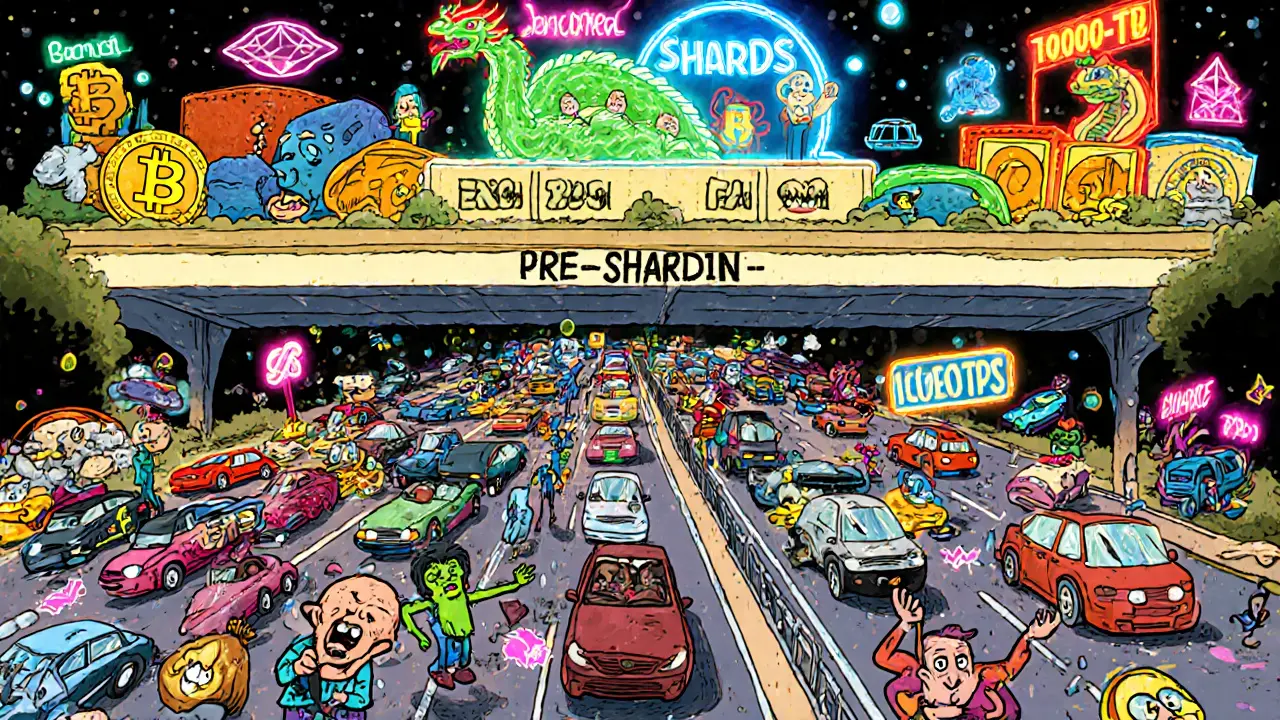
When a blockchain splits into smaller pieces called shards, individual segments of a blockchain that process transactions in parallel to improve speed and scalability. Also known as partitioned chains, they let networks handle more users without slowing down. But if one shard gets taken over, the whole system can be compromised. This is called a shard takeover attack, a malicious effort to gain control over a single shard in a sharded blockchain to manipulate transactions or steal funds.
Sharding is used by networks like Ethereum 2.0, Zilliqa, and Near Protocol to scale up. But it creates a new weakness: instead of attacking the whole chain, hackers only need to control a small part. If an attacker controls 30% of the validators in one shard—often easier than taking over the entire network—they can double-spend, censor transactions, or even lie about the state of that shard. The rest of the network might not notice until it’s too late. This isn’t theoretical. In 2022, a research team demonstrated how a shard takeover could succeed on a testnet with just $50,000 in rented hash power. Real-world networks aren’t immune.
Defenses exist, but they’re not perfect. Some chains use random validator assignment, a technique where validators are randomly shuffled between shards at regular intervals to prevent long-term control. Others rely on cross-linking, a system where shards regularly verify each other’s data to catch fraud. But if the randomness is predictable or the cross-links are delayed, attackers still find gaps. Even big projects like Ethereum have had to tweak their sharding design multiple times after new attack vectors were discovered.
What you’ll find here are real cases, breakdowns of how these attacks unfold, and which blockchains are most at risk. You’ll see how scams mimic sharding flaws to trick users, why some crypto projects quietly fixed their shard security after public pressure, and what tools you can use to check if a chain you’re using has real protections in place. No fluff. Just what matters when your assets are on the line.