Woof Finance Crypto Exchange Review: Is This Platform Legit or a Scam?
Woof Finance is not a real crypto exchange - it's a scam. Learn how the WOOF token骗局 works, red flags to spot, and safe alternatives to protect your funds in 2025.
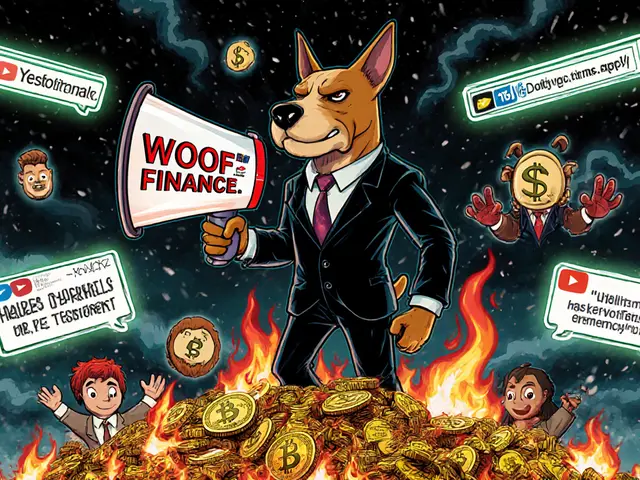
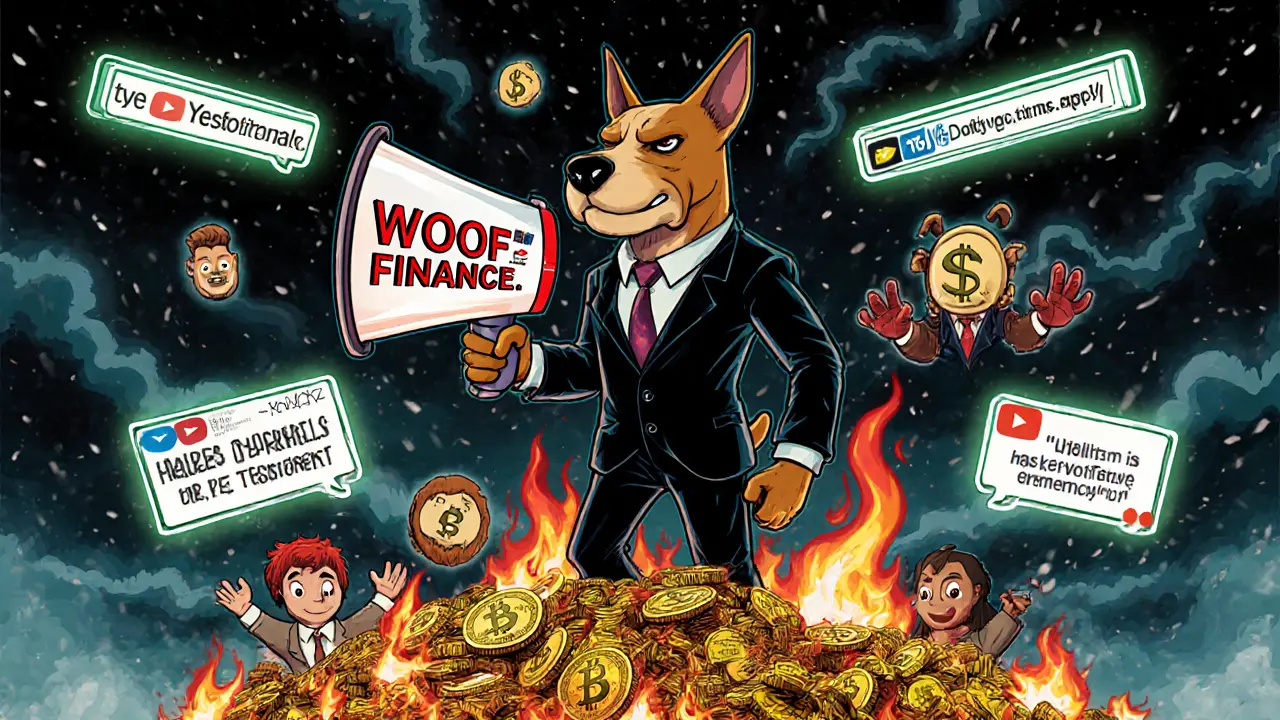
When Woof Finance, a DeFi project that promised high yields on a meme-inspired token suddenly disappeared in early 2024, hundreds of users woke up to zero balances and a dead website. It wasn’t a hack. It wasn’t a market crash. It was a classic rug pull, a scam where developers drain liquidity and abandon a project after luring in investors. Woof Finance’s token, $WOOF, had no real utility, no working product, and no team identity—just flashy marketing and fake social proof. Within weeks, the entire $12 million in liquidity was pulled from the decentralized exchange, and the devs vanished. This is the kind of scam that keeps happening because people chase returns without asking the right questions.
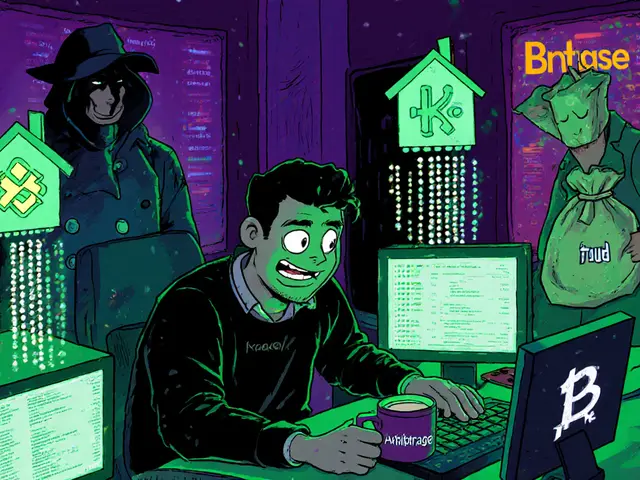
What makes Woof Finance different from other failures isn’t the scale—it’s the pattern. The same red flags show up in nearly every crypto scam: anonymous developers, no code audit, liquidity locked for only a few days, and promises of impossible returns. Projects like Flowmatic ($FM), a Solana-based DeFi token that collapsed with zero trading volume, or Project Quantum (QBIT), a gaming token tied to a game that never launched, followed the exact same script. They all looked real until they didn’t. And when they died, they took people’s savings with them. These aren’t isolated cases. They’re the rule, not the exception, in today’s wild west of DeFi.
If you’ve ever wondered how someone gets tricked into putting money into a token with no website, no whitepaper, and no team, the answer is simple: FOMO. Scammers don’t need to be clever—they just need to move fast. They create hype on Twitter, flood Telegram groups with bots, and use fake TVL numbers to look legitimate. Then they launch, attract early buyers, and drain the pool before anyone realizes what’s happening. The only defense is skepticism. Always check if liquidity is locked for months, not days. Look for verified team members with real LinkedIn profiles. See if the code has been audited by a known firm like CertiK or Hacken. And if a project sounds too good to be true—like a 1000% APY on a meme coin—it almost always is. The posts below cover real cases like Woof Finance, CreekEx, Armoney, and others that turned out to be scams. You’ll see how they were built, how they fell apart, and how you can spot the next one before it’s too late.
9 October
Woof Finance is not a real crypto exchange - it's a scam. Learn how the WOOF token骗局 works, red flags to spot, and safe alternatives to protect your funds in 2025.