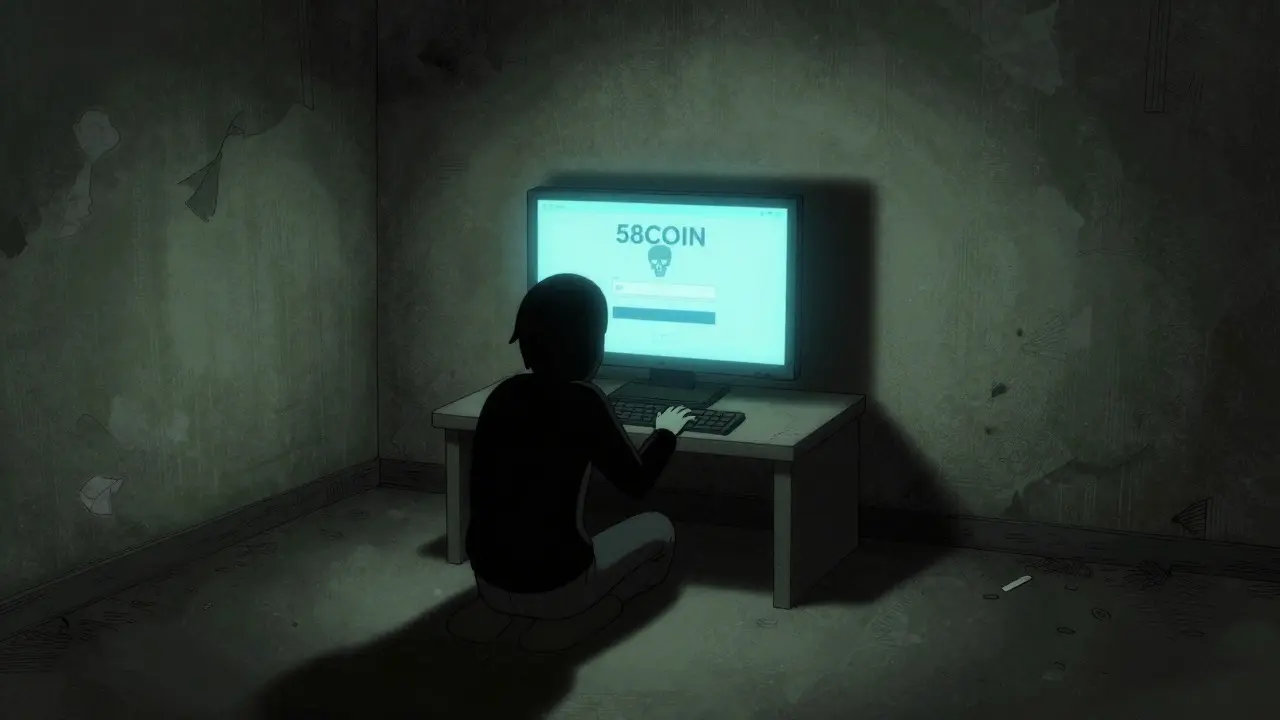
You type 58COIN into your browser, hoping to find a quick way to trade Bitcoin or Ethereum. But instead of a sleek dashboard, you hit a wall of silence. No recent news. No user reviews from this year. Just the ghost of an exchange that used to be active years ago. In the fast-moving world of cryptocurrency, disappearing from the radar is rarely a good sign.
If you are looking for a safe place to park your digital assets in August 2026, 58COIN is likely no longer a viable option. The absence of data isn't just an oversight; it’s a red flag. This review will explain why 58COIN has vanished from the top lists, what happened to smaller exchanges during the industry consolidation of 2025-2026, and which platforms actually deserve your trust today.
The Vanishing Act: What Happened to 58COIN?
To understand why 58COIN Exchange is missing from every "Best of 2026" list, we have to look at how the crypto landscape changed. A few years back, hundreds of small exchanges popped up, promising low fees and exotic altcoins. Many were legitimate but undercapitalized. Others were outright scams. Then came the regulatory crackdowns and the market crash cycles that forced consolidation.
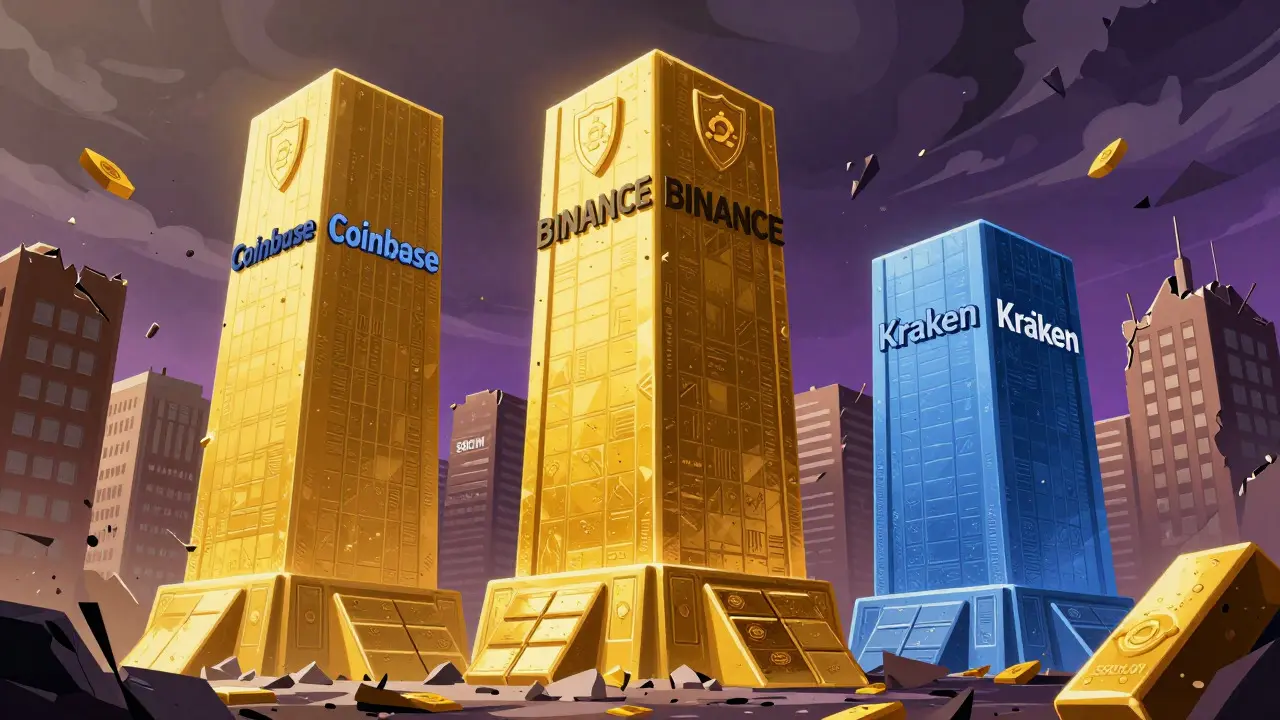
In 2026, the major players-Coinbase, Binance, Kraken-dominate the market because they survived the stress tests. They have billions in liquidity, legal teams, and insurance funds. Smaller exchanges like 58COIN often lacked the resources to meet new compliance standards. Without regular audits or transparent reporting, users slowly migrated away. If an exchange doesn’t appear on trusted review sites like Bitcointalk or Money.com in January 2026, it usually means one of two things: it shut down voluntarily, or it was acquired by a larger entity.
For a trader, this means checking the URL carefully. Sometimes, old domains get hijacked by phishing sites pretending to be the original service. If you see a login page for 58COIN today, proceed with extreme caution. It is safer to assume the platform is inactive unless you have direct, verifiable proof otherwise.
Why Silence Is Dangerous in Crypto
In traditional banking, if a bank closes, the FDIC insures your money up to $250,000. In crypto, there is no such safety net. When an exchange goes silent, your funds are often stuck. You can log in, but you cannot withdraw. This happened to several mid-tier exchanges in previous years, leaving thousands of users waiting months or even years for partial refunds.
The key metric for safety in 2026 is Proof of Reserves (PoR). This is a cryptographic method where an exchange proves it holds enough assets to cover all user balances. Major platforms publish these reports monthly. If 58COIN hasn’t published a PoR report in over a year, you have no idea if your money exists. Do not trust promises; trust math.
- No Recent Audits: Lack of third-party security checks indicates potential vulnerability.
- Fading Community: Check social media channels. If posts are automated or unanswered, the team may be gone.
- Regulatory Gaps: Unlicensed exchanges operate in gray areas, making legal recourse impossible.
Who Are the Real Leaders in 2026?
If you need a reliable exchange, look at the platforms that consistently rank high in user satisfaction and security. These exchanges have adapted to the strict regulatory environment of 2026. They offer deep liquidity, meaning you can buy or sell large amounts without slippage, and they provide robust customer support.
| Exchange | Best For | Security Feature | Fee Structure |
|---|---|---|---|
| Coinbase | Beginners & US Users | Publicly traded, insured custodial storage | Higher spread on instant buys, lower on advanced trade |
| Binance | Advanced Traders & Altcoins | Safu Fund ($1B+ protection fund) | Lowest maker/taker fees in industry |
| Kraken | Privacy & Fiat On-Ramps | Regular Proof of Reserves audits | Competitive fees, zero FX fees on card |
| Bybit | Derivatives & Futures | Merkle Tree verification | Tiered discounts based on volume |
Coinbase remains the go-to for many Americans due to its regulatory clarity. Since going public, it has faced intense scrutiny, which ironically makes it safer for retail investors. Binance offers the deepest selection of tokens, including newer projects like Toncoin, which saw massive growth in 2025. Kraken has built a reputation for excellent customer service and transparency, recently launching a debit card program with up to 1% cash back and zero foreign transaction fees.
How to Spot a Dead or Risky Exchange
Not every unknown exchange is a scam, but most are risky. Before depositing a single dollar, run this checklist. It takes five minutes and could save you thousands.
- Check the Domain Age: Use WHOIS lookup tools. If the domain was registered recently or expired and was renewed, it might be a clone site.
- Look for Social Proof: Search Twitter (X) and Reddit for real-time complaints. Look for phrases like "withdrawal halted" or "support unresponsive."
- Verify Regulatory Status: Does the exchange hold licenses in major jurisdictions (US, EU, UK)? If it claims to be global but has no physical address, be wary.
- Test Small Withdrawals: Never move your entire portfolio. Deposit $10, then try to withdraw it. If it gets stuck, leave immediately.
Many users fall for the "too good to be true" bonus traps. Some shady platforms promise 100% match deposits or free Bitcoin for signing up. Remember: exchanges make money from trading fees, not charity. If the incentives are excessive, the exit strategy for the owners is likely a rug pull.
Security Best Practices for 2026
Even the best exchange can be hacked if you don't follow basic hygiene. The industry standard now involves multi-layered security. First, always enable Two-Factor Authentication (2FA). Avoid SMS-based 2FA if possible; use an authenticator app like Google Authenticator or a hardware key like YubiKey. SIM-swapping attacks are still common.
Second, consider using a self-custody wallet for long-term holdings. Platforms like Ledger or Trezor allow you to store your private keys offline. Exchanges should be used for trading, not saving. As the saying goes, "Not your keys, not your coins." If the exchange goes bankrupt, your coins are gone. If your hardware wallet breaks, you still have your recovery phrase.
Finally, watch out for phishing emails. Hackers send fake alerts claiming your account is compromised. They include links that look almost identical to the real exchange. Always check the URL bar. Type the address manually rather than clicking email links.
What to Do If You Have Funds on 58COIN
If you still have an account with 58COIN, act now. Log in and attempt a withdrawal. Even if the process is slow, start the request. Document everything: take screenshots of your balance, transaction history, and any error messages. Save these files locally and in cloud storage.
Contact their support team via every available channel. If you get no response within 48 hours, assume the worst. Join community forums dedicated to crypto recovery. There are groups of investors who share information about insolvent exchanges. Collective action can sometimes pressure companies to release partial funds, though success is rare.
Do not pay "recovery scammers." After a loss, desperate users are targets. People on social media will DM you offering to hack back your funds for a fee. These are secondary scams. Only work with verified legal professionals or established consumer protection agencies.
The Future of Crypto Trading
The trend for 2026 and beyond is clear: regulation and institutionalization. We are seeing record mergers and acquisitions as big banks enter the space. This is good for stability but bad for anonymity. Expect stricter Know Your Customer (KYC) requirements across the board. Anonymous trading is moving to decentralized exchanges (DEXs) like Uniswap, which require no account but carry higher technical risk.
For the average user, sticking to regulated, publicly accountable exchanges is the safest path. The era of wild west exchanges is ending. Those that survive will be the ones that prioritize transparency over hype. If an exchange doesn't fit that mold, it probably shouldn't hold your money.
Is 58COIN still operational in 2026?
There is no evidence that 58COIN is actively operating as a major exchange in 2026. It is absent from top rankings, user reviews, and regulatory lists. If the website is still up, it may be a dormant shell or a phishing site. Treat it as inactive until proven otherwise.
Which crypto exchange is safest for beginners in 2026?
Coinbase is widely considered the safest for beginners due to its public listing, strong regulatory compliance in the US, and user-friendly interface. Kraken is another excellent choice known for its transparency and customer support.
What is Proof of Reserves and why does it matter?
Proof of Reserves (PoR) is a cryptographic audit that proves an exchange holds enough assets to cover all user liabilities. It matters because it prevents exchanges from lending out user funds or hiding insolvency. In 2026, lack of PoR is a major red flag.
Can I recover my lost funds from a defunct exchange?
Recovery is difficult but not always impossible. Document all transactions and contact the exchange's last known support channels. Join investor groups for collective bargaining. Avoid paying upfront fees to "recovery agents," as these are often scams.
Are decentralized exchanges (DEXs) safer than centralized ones?
DEXs eliminate counterparty risk since you never give up custody of your funds. However, they carry smart contract risk. If the code has bugs, hackers can drain funds. They are safer from bankruptcy but require more technical knowledge to use securely.