Have you seen COVIDTOKEN or Covid Token popping up in your social feeds, promising free coins for joining a Telegram group? It’s tempting. Who doesn’t want free money just for clicking a link? But before you connect your wallet to some sketchy website, you need to know the hard truth. As of late 2026, major crypto data aggregators like CoinGecko and TokenMetrics have no record of a significant, verified project called "COVIDTOKEN" among the top-tier airdrops that defined recent market cycles. This isn't necessarily bad news-it might mean the project is new, niche, or simply not yet tracked by the big platforms. Or, it could be a scam. Let’s break down exactly what you’re dealing with, how to verify if this airdrop is real, and what steps you must take to protect your assets.
The Reality Check: Is COVIDTOKEN Legit?
Here is the first thing you need to understand about the current crypto landscape. In 2024 alone, notable airdrops like Ethena, PENGU, and Hyperliquid added over $20 billion to the overall crypto market cap. These were massive events with clear roadmaps, venture capital backing, and transparent tokenomics. When we look for COVIDTOKEN, we don't see it on those leaderboards. That absence raises a red flag. Does that mean it’s fake? Not always. Many legitimate projects start small, operating under the radar until they hit critical mass. However, the lack of presence on established tracking platforms like Airdrops.io suggests this token lacks the institutional validation most investors rely on.
You should treat any unverified token with extreme caution. The name itself leans heavily into nostalgia from the pandemic era, which can sometimes be a marketing tactic to grab attention rather than a sign of technological innovation. If the team behind COVIDTOKEN hasn’t published a whitepaper on a reputable platform like GitHub or IPFS, or if their social media accounts are filled with bots rather than organic community engagement, you’re likely looking at a low-effort project. Don’t let the fear of missing out (FOMO) cloud your judgment. Free tokens are rarely as valuable as they seem if the underlying technology doesn’t exist.
How Crypto Airdrops Actually Work
To understand if the COVIDTOKEN airdrop makes sense, you need to know how these distributions typically function. There are two main types of airdrops: Snapshot-based and Task-based.
Snapshot-based airdrops are passive. Developers take a picture of the blockchain at a specific moment. If you held a certain amount of Ethereum, Solana, or another native coin in your wallet at that exact second, you qualify. You didn’t do anything but hold. This method rewards early adopters and loyal holders.
Task-based airdrops require work. You might need to retweet posts, join Discord servers, refer friends, or test beta versions of an app. This is common for newer projects trying to build hype and user bases quickly. If COVIDTOKEN asks you to perform ten different social tasks for a tiny amount of tokens, ask yourself: is my time worth it? Often, the gas fees to claim the token cost more than the token’s initial value.
Verifying the COVIDTOKEN Project
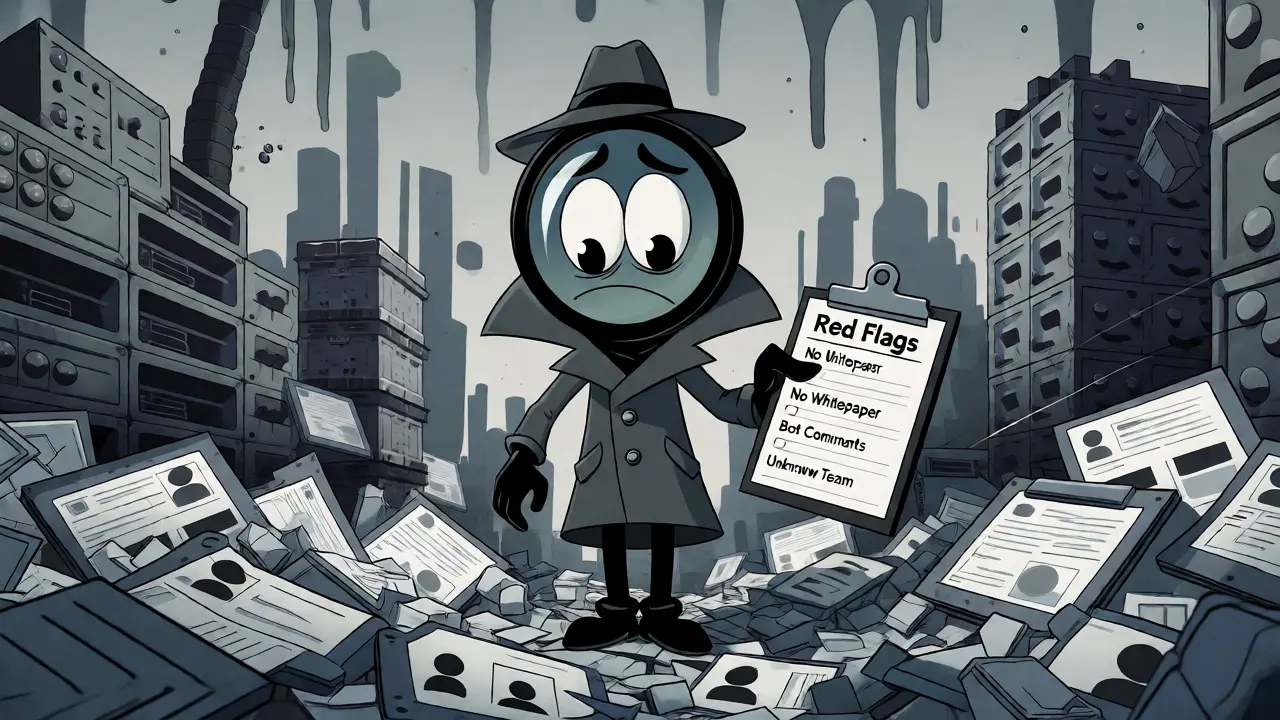
Since standard databases don’t list COVIDTOKEN prominently, you have to become your own detective. Here is a checklist to verify the project’s legitimacy before you interact with it.
- Check the Contract Address: Every legitimate token has a unique contract address on the blockchain. Copy this address and paste it into a block explorer like Etherscan (for Ethereum) or BscScan (for Binance Smart Chain). Look at the transaction history. Are there real users buying and selling, or is it all wash trading by the same few wallets?
- Review the Whitepaper: A real project explains its utility. What does COVIDTOKEN actually do? Does it offer healthcare data solutions, NFT integration, or just meme status? If the whitepaper is vague or missing, walk away.
- Audit the Team: Are the founders public figures with LinkedIn profiles and past project histories? Anonymous teams aren’t automatically scams, but they carry higher risk. Look for third-party audits from firms like CertiK or Hacken. If the code hasn’t been audited, smart contract vulnerabilities are a real threat.
- Social Sentiment Analysis: Go beyond the follower count. Read the comments. Do people discuss the technology, or just scream "to the moon"? High bot activity often indicates paid promotion rather than genuine interest.
Eligibility Criteria and Claiming Process
If you’ve done your due diligence and decided COVIDTOKEN looks promising, here is how you usually go about claiming the airdrop. Note that specifics vary by project, so always check the official site linked from their verified Twitter account.
| Requirement Type | Description | Risk Level |
|---|---|---|
| Wallet Snapshot | Holding a minimum balance of ETH/SOL/BTC during a set date range. | Low |
| Social Tasks | Following Twitter, joining Telegram/Discord, sharing posts. | Medium |
| On-Chain Activity | Interacting with dApps, swapping tokens, or providing liquidity. | High |
| NFT Ownership | Holding a specific collection related to the project. | Medium |
For task-based drops, never give out your private key or seed phrase. Ever. You only ever share your public wallet address. If a website asks for your seed phrase to "verify" your eligibility, close the tab immediately. That is the number one way beginners lose their entire portfolio to phishing sites.
Tokenomics: Will It Have Value?
An airdrop is worthless if the token supply is infinite or if insiders dump on retail investors. You need to look at the Tokenomics. Key metrics to watch include Total Supply, Circulating Supply, and Vesting Schedules.
Many scammy airdrops release 100% of the supply to the public immediately. This leads to instant sell-offs because there is no lock-up period to stabilize the price. Conversely, good projects vest tokens over months or years, rewarding long-term holders. If COVIDTOKEN plans to unlock billions of tokens in week one, expect high volatility and downward pressure on the price. Always calculate the Fully Diluted Valuation (FDV) to see if the market cap is realistic compared to competitors.
Security Tips for Participating
Participating in unknown airdrops carries risks. Use a separate "burner" wallet for interactions with new, unverified contracts. Keep your main holdings in a hardware wallet or a secure cold storage solution. Never approve unlimited spending allowances for unknown tokens. Malicious contracts can drain your wallet later if you leave permissions open. Revoke approvals regularly using tools like Revoke.cash.
Also, beware of "airdrop farming" fatigue. Some projects require so many actions that the effort outweighs the potential reward. Time is money. If you spend three hours doing tasks for a token that ends up worth $5 after gas fees, you lost money. Be selective. Only engage with projects that show transparency, active development, and a clear roadmap.
Is COVIDTOKEN listed on major exchanges?
As of September 2026, COVIDTOKEN is not widely listed on major centralized exchanges like Binance or Coinbase according to standard aggregators. It may trade on decentralized exchanges (DEXs) like Uniswap or PancakeSwap, but liquidity there can be thin and volatile. Always verify the contract address before trading on DEXs.
What are the risks of participating in the COVIDTOKEN airdrop?
The primary risks include smart contract vulnerabilities, rug pulls (where developers abandon the project and run with funds), and phishing scams disguised as airdrop claim pages. Since the project lacks visibility on major trackers, the risk of illegitimacy is higher than with established protocols.
Do I need to pay gas fees to claim COVIDTOKEN?
Usually, yes. While the token itself is free, you typically pay network gas fees to execute the claim transaction on the blockchain. Depending on the network (Ethereum vs. Polygon vs. BSC), this can range from a few cents to several dollars. Factor this into your profit calculation.
How do I spot a fake airdrop website?
Fake sites often have typos, poor design, or URLs that don’t match the official project domain. They frequently ask for your seed phrase or private key. Official airdrop claims usually only require connecting a wallet via MetaMask or similar extensions without exposing sensitive keys.
Can I sell COVIDTOKEN immediately after claiming?
This depends on the token’s vesting schedule. Some airdropped tokens are locked for a period (e.g., 3-6 months) before they can be traded. Others are fully liquid upon claim. Check the project’s documentation for specific unlocking timelines.



Gary Schneeberger
Another day, another 'revolutionary' token that smells like a dumpster fire behind a hospital. If it isn't on CoinGecko by late 2026, it's either dead on arrival or a pump-and-dump scheme for people who still think the pandemic is a valid investment thesis. Save your gas fees.