Nigeria Crypto Withdrawal Risk Calculator
Check Your Withdrawal Risk
Estimate if your withdrawal will trigger bank scrutiny based on Nigerian regulations
Risk Assessment
If you’re trying to turn your Bitcoin or Ethereum into naira in Nigeria, you’re not just doing a simple bank transfer. You’re walking through a minefield of rules, hidden limits, and sudden account freezes - all controlled by banks that don’t want to touch crypto unless they absolutely have to.
It’s Legal Now, But Banks Still Don’t Trust It
As of 2025, Nigerian banks can legally process withdrawals from cryptocurrency to fiat. That’s because the Central Bank of Nigeria (CBN) lifted its ban in December 2023, and the Investments and Securities Act (ISA) 2025 officially recognized digital assets as securities under the oversight of the Securities and Exchange Commission (SEC). Sounds simple, right? Not even close.Banks didn’t suddenly become crypto fans. They’re still treating crypto withdrawals like high-risk transactions - the kind that need extra scrutiny, extra paperwork, and extra limits. Even if you’re using a licensed exchange like Luno, your bank might still flag your account if you withdraw more than ₦200,000 in a week. They don’t tell you the limit. You just find out when your transfer gets blocked.
Only Licensed Exchanges Work - And Even Then, It’s Risky
The only way to avoid trouble is to use an SEC-licensed exchange. As of 2025, only a handful have met the strict AML and KYC requirements. Luno is one of them. Others include BitPesa and a few local platforms that jumped through all the regulatory hoops. These exchanges connect directly to your bank account. When you sell your crypto, the naira hits your account within hours - if everything checks out.But here’s the catch: banks don’t accept cash withdrawals from crypto accounts. No ATM. No branch counter. No teller handing you cash. Every withdrawal must go through online banking. That means if you need physical money, you have to transfer to your account and then withdraw yourself - and even that can trigger a review if it looks unusual.
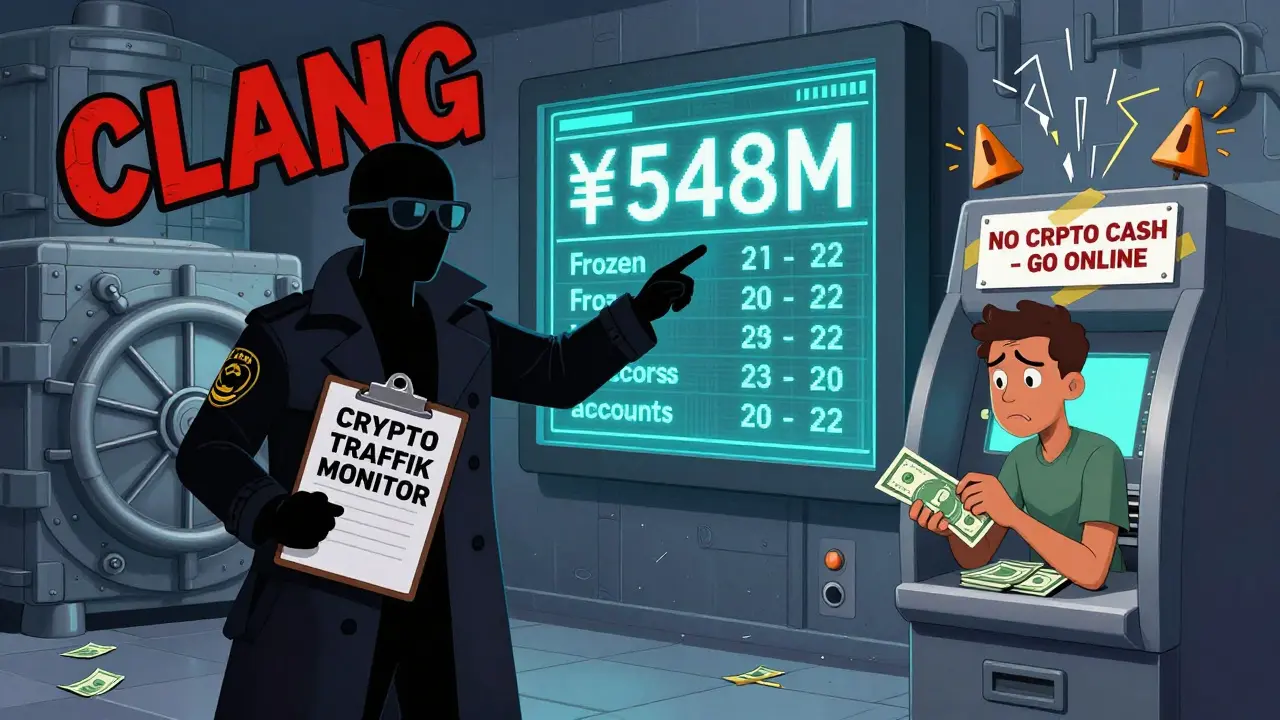
Unlicensed platforms? Forget it. If you’re using Binance, KuCoin, or any P2P app that isn’t SEC-approved, your bank account could be frozen within 24 hours. In September 2024, the Economic and Financial Crimes Commission (EFCC) froze 22 accounts linked to USDT traders. Total amount frozen? Over ₦548 million. The reason? Suspected manipulation of the naira exchange rate. Banks didn’t make that call - they just followed the court order.
Account Freezes Are Common - And They’re Legal
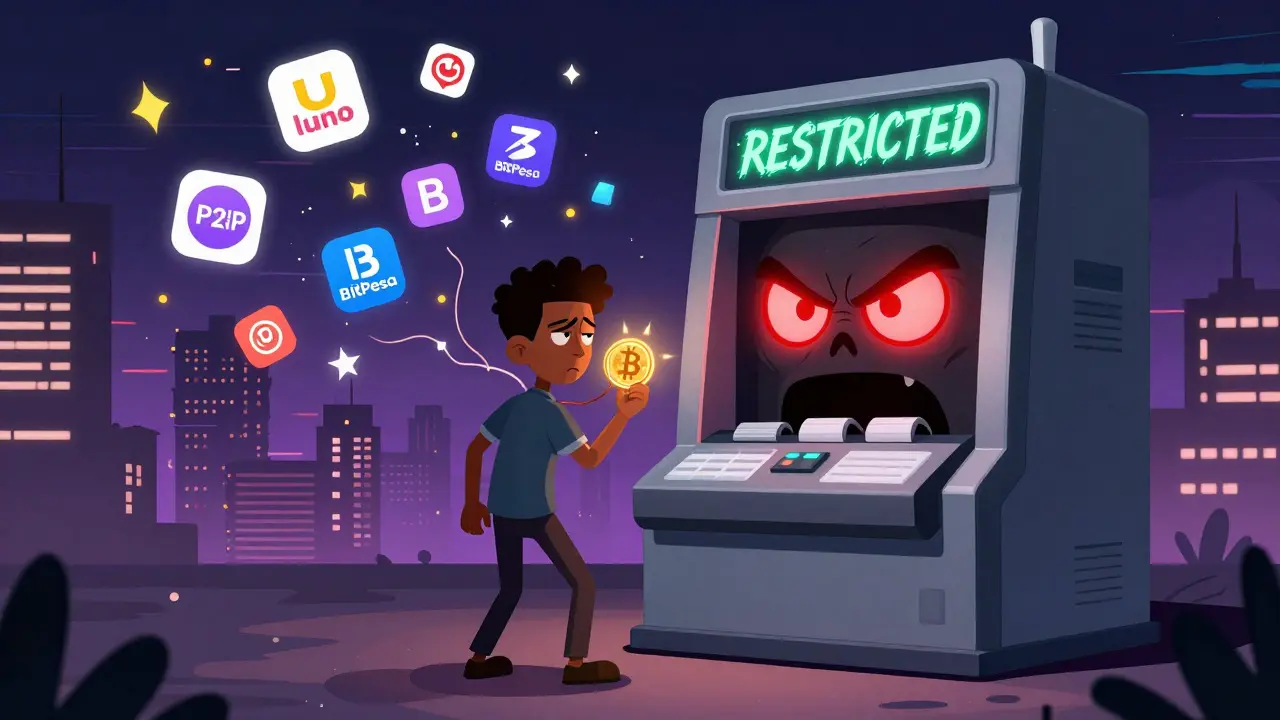
Banks in Nigeria aren’t just passively following rules. They’re actively policing crypto activity. If your transaction pattern looks suspicious - sudden large deposits, multiple transfers in a day, or withdrawals that don’t match your income history - your bank can freeze your account without warning. You won’t get a call. You won’t get an email. You’ll just log in and see: Account Restricted.And once it’s frozen, you’re stuck. You can’t move money in or out. You can’t even close the account. You have to go to the bank, provide proof of where your crypto came from, show your trading history, and wait weeks for a decision. Many people never get their money back.
The EFCC and SEC work hand-in-hand with banks. If the SEC says a platform is unlicensed, banks are legally required to cut off all transactions to and from it. If the EFCC suspects money laundering, they can order a freeze, and banks must comply - no questions asked. There’s no appeal process at the bank level. You have to go to court.
Transaction Limits Are Hidden - And They Vary by Bank
There’s no public list of withdrawal limits for crypto accounts. Each bank sets its own rules, and they change often. A digital bank like Opay or Palmpay might allow ₦500,000 per day. A traditional bank like GTBank might cap it at ₦150,000. Some accounts have weekly limits instead. Some users report being blocked after three withdrawals in a month, even if each was under ₦100,000.Why the secrecy? Because banks don’t want to signal how much crypto activity they’re willing to tolerate. If they published limits, traders would try to push right up to them. Instead, banks use hidden thresholds and automated systems that flag anything unusual. That means two people using the same exchange, with the same amount, might get completely different treatment.
Taxes Are Coming - And Banks Will Report You
Right now, Nigeria doesn’t have a formal tax law for crypto. But the Federal Inland Revenue Service (FIRS) has said clearly: crypto gains are taxable. The proposed Finance Bill, expected to pass in 2026, will require banks to report all crypto-to-fiat transactions over ₦100,000 to tax authorities. That means every time you cash out, your bank will send a report to the tax agency.That’s not just about paying taxes. It’s about being tracked. If you withdraw ₦2 million in a month and your salary is ₦150,000, you’ll get a letter from FIRS asking for proof of income. No receipts? No explanation? You could face penalties, audits, or even criminal charges.
What You Should Do to Avoid Getting Locked Out
If you want to withdraw crypto to fiat in Nigeria without losing access to your money, follow these rules:- Use only SEC-licensed exchanges. Luno is the safest bet.
- Keep detailed records of every transaction - buy dates, wallet addresses, exchange receipts.
- Never use P2P platforms that aren’t officially connected to your bank.
- Avoid large, sudden withdrawals. Spread them out over weeks.
- Make sure your bank account is fully KYC verified - no fake IDs, no unverified numbers.
- Don’t rely on one bank. Open accounts with two or three different institutions.
- Never lie about the source of your crypto. Banks will find out.
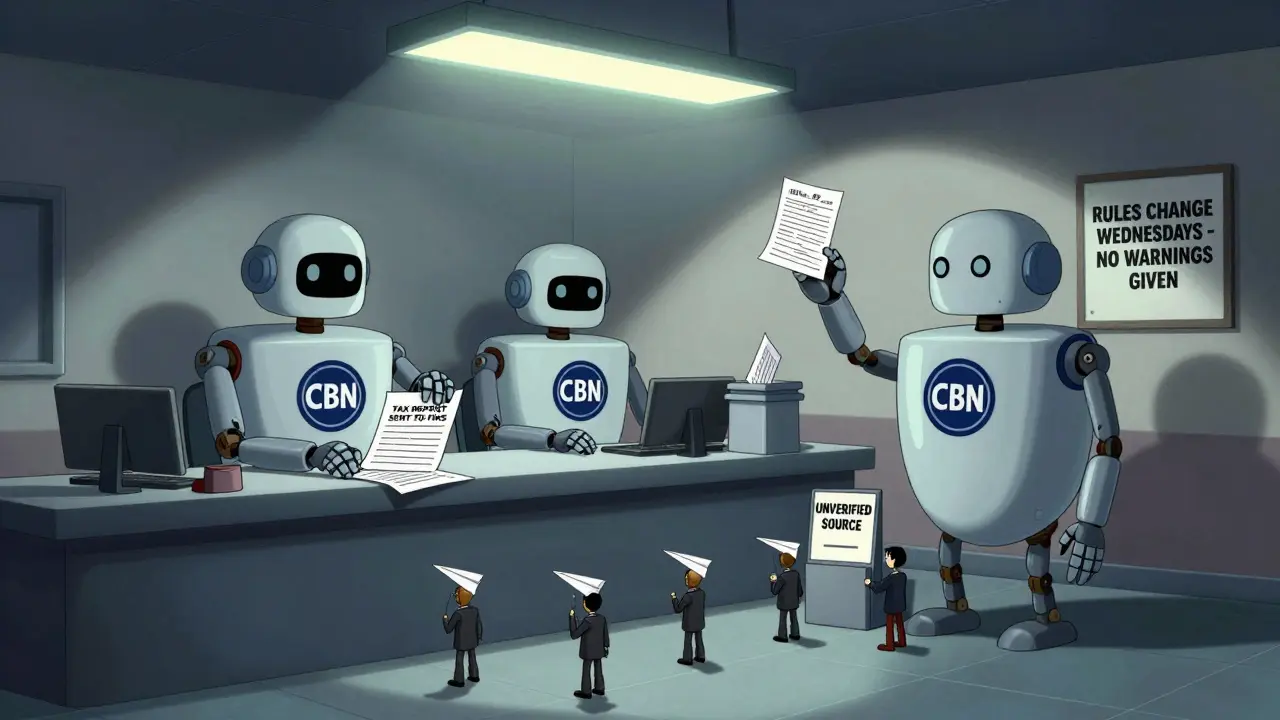
Even if you do everything right, you’re still at the mercy of regulators. The rules change every few months. A platform that’s licensed today could be shut down next week. A bank that accepts crypto today might stop tomorrow after a new CBN circular.
Why Banks Are So Strict
Nigeria wants to be seen as a serious player in global finance. Right now, it’s on the Financial Action Task Force’s Gray List - a warning label for countries with weak anti-money laundering controls. The government knows that if it doesn’t crack down on crypto abuse, foreign investors will stay away, and development loans will dry up.Banks aren’t being cruel. They’re being scared. If they let one bad transaction slip through, they could be fined millions. So they play it safe. They block first, ask later. They’d rather lose 100 honest users than risk one criminal.
The Bottom Line
Crypto is legal in Nigeria. But withdrawing it to fiat isn’t a right - it’s a privilege. Banks aren’t your friends. They’re gatekeepers. And the gate only opens if you play by their rules, even if those rules are secret, shifting, and harsh.If you’re smart, you treat crypto like a high-risk investment - not a bank account. Withdraw slowly. Document everything. Use licensed platforms. And never assume your money is safe just because the law says crypto is allowed. In Nigeria, the law is only as strong as the next regulator’s decision.