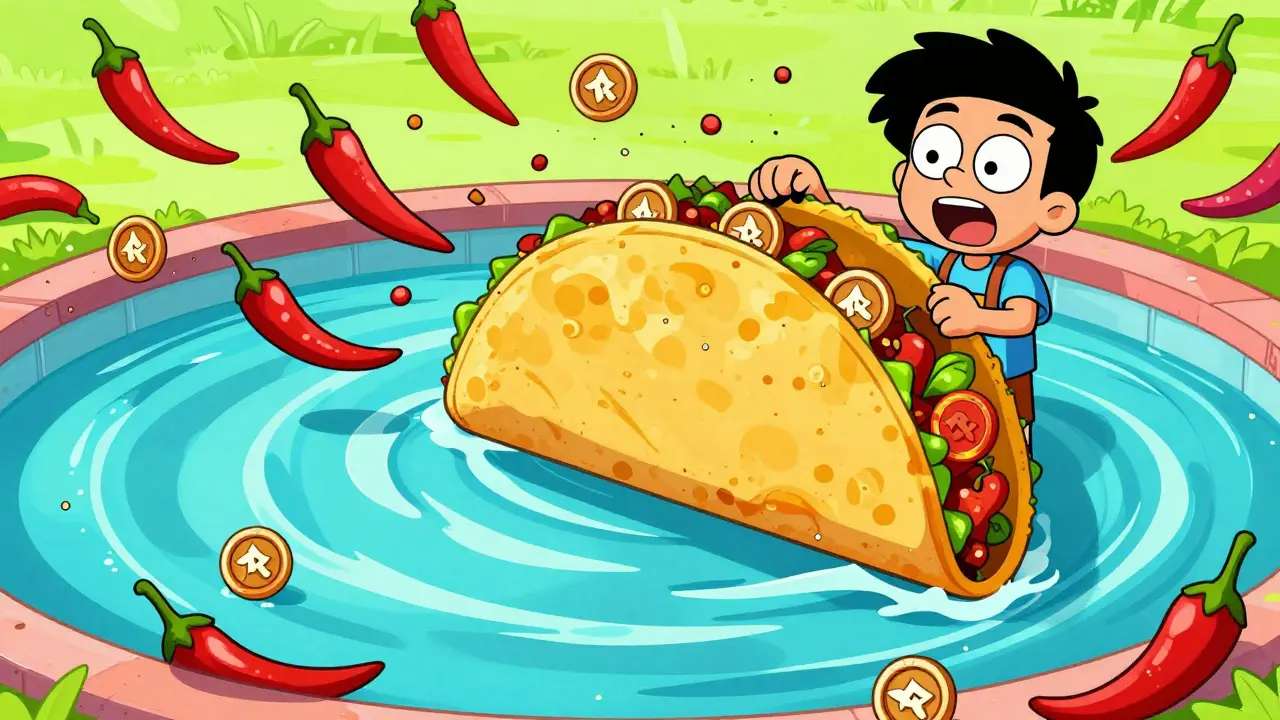
Wait-There's No OneRare Airdrop
When people hear about a OneRare Ingredient NFT airdrop, they often expect free tokens. But that's not how it works. OneRare is the world's first food metaverse, or 'Foodverse,' that brings global cuisine to the blockchain. Instead of airdrops, OneRare uses a farming system where you earn Ingredient NFTs by staking tokens. Let's clear up the confusion and show you exactly how it all works.
How Ingredient NFTs Are Actually Distributed
You won't find a OneRare airdrop event. Instead, Ingredient NFTs are earned through staking ORARE the native token of the OneRare platform in themed farming pools. There are six pools, each tied to a cuisine theme like Indian, Mexican, or Italian. When you stake ORARE tokens in one of these pools, you get random Ingredient NFTs over time. For example, staking in the Italian pool might give you basil or garlic NFTs, but you can't pick which ones. It's like a surprise bag of ingredients-only digital.
This isn't a free-for-all. You have to commit your ORARE tokens to the pool. The longer you stake, the more NFTs you earn. But remember: you never know exactly what you'll get. A pool for Mexican cuisine might give you chili peppers one day and cumin the next. It's randomized, so strategy matters.
The Four Zones of the Foodverse
OneRare's ecosystem is split into four areas, each with its own purpose. Let's break them down:
| Zone | Purpose | Key Actions |
|---|---|---|
| Farm | Stake tokens to farm ingredient NFTs | Stake ORARE in themed pools |
| Farmer's Market | Marketplace for trading | Sell farm produce, buy special ingredients, trade dish NFTs |
| Kitchen | Create dishes | Combine ingredients to mint dish NFTs |
| Playground | Play mini-games | Use NFTs in cooking challenges or trivia |
The Farm is where you start. You stake ORARE tokens in one of the six cuisine-themed pools. Each pool has a different set of random ingredients. For example, the Indian pool might give you turmeric or cardamom NFTs. You can't choose specific ingredients-it's randomized. But you do control which pool to join based on what you want to cook later.
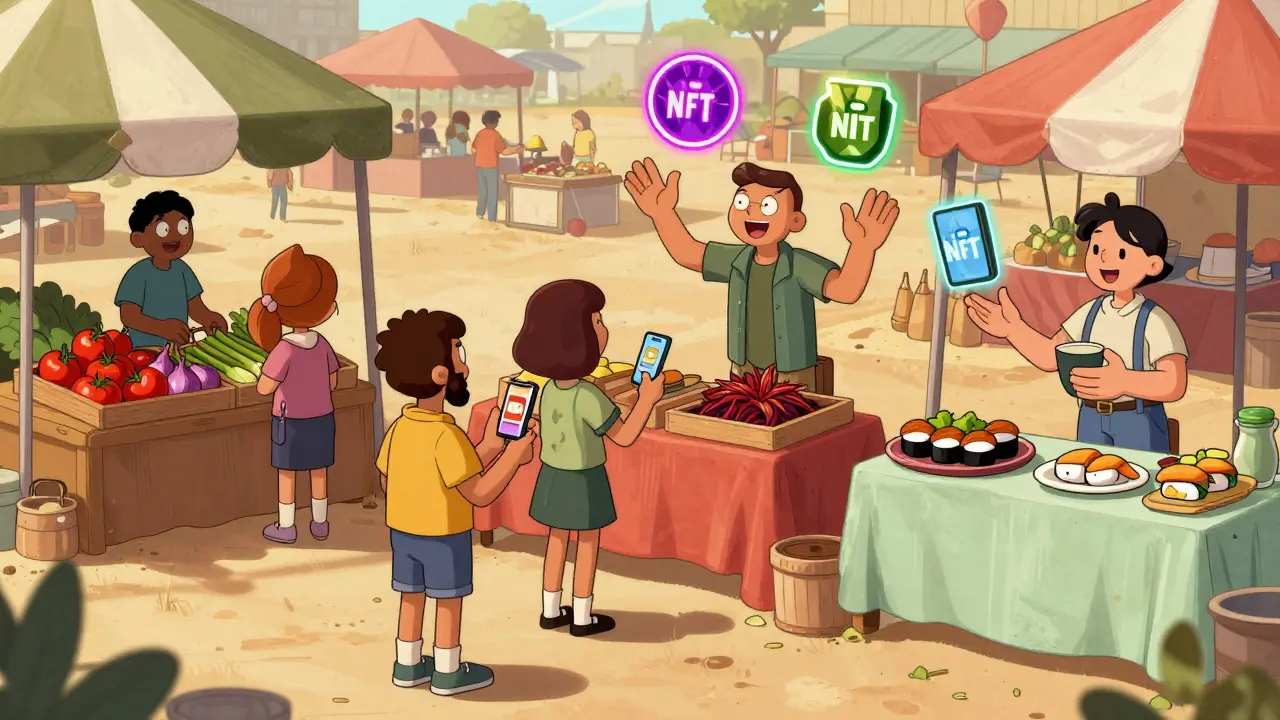
Next is the Farmer's Market. It has three shops. The first lets you sell the farm produce you've gathered. The second sells special ingredients you can't farm yourself, like saffron or truffles. The third shop is where you trade dish NFTs with other players. If you have extra sushi NFTs, you can swap them for ORARE or other NFTs here.
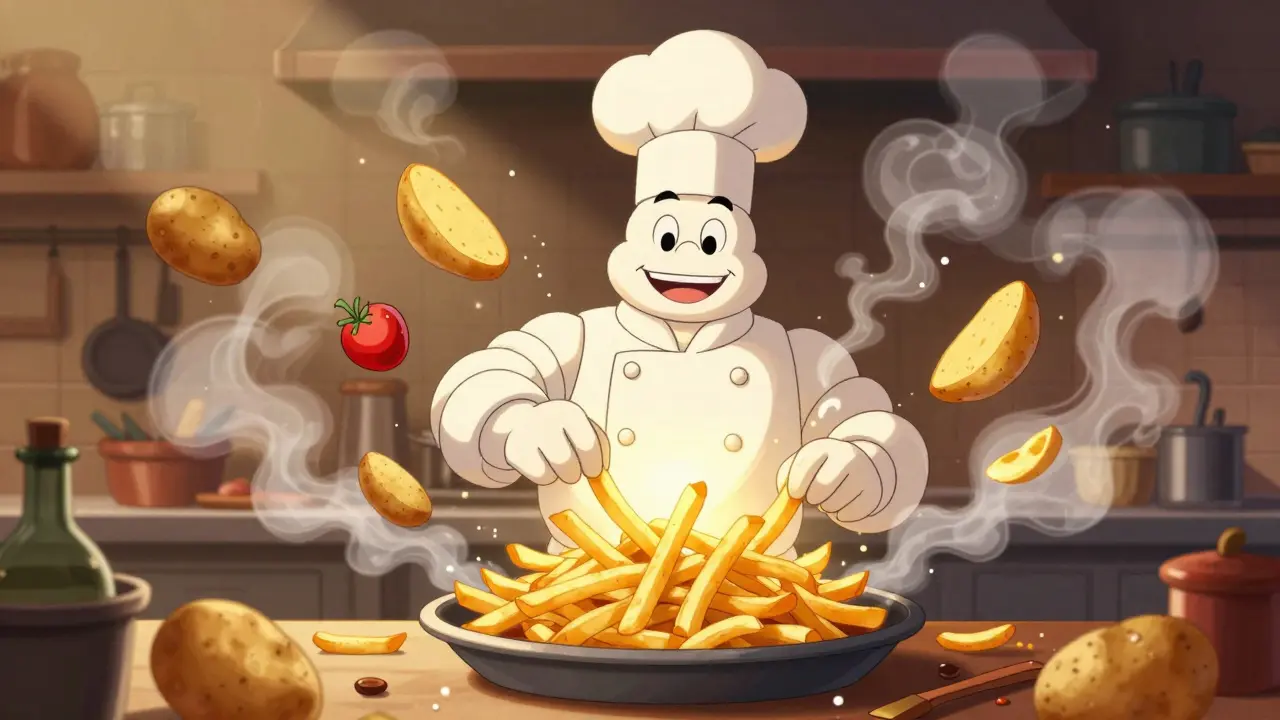
The Kitchen is where creativity happens. To make a dish, you combine Ingredient NFTs. For example, potato + oil + salt = french fries. But once you mint the dish, the ingredients are burned forever. You can't get them back. This means you need to plan carefully. If you want to make the same dish again, you'll need to farm new ingredients.
Finally, the Playground hosts mini-games. You use your Ingredient or Dish NFTs to compete in challenges. Think cooking races or food trivia. Win new NFTs by playing these games. It's a fun way to earn extra rewards while testing your culinary knowledge.
Environmental Challenges in the Game
OneRare simulates real-world agricultural challenges. Imagine a drought hitting the Farm zone. Suddenly, wheat and rice NFTs stop appearing for a week. Or a tornado destroys tomato fields. These events happen randomly and last until the game 'fixes' the problem. During these times, the Farmer's Market prices for affected ingredients spike. Players who saved those NFTs before the event can sell them for more ORARE.
This dynamic system keeps the game alive. It's not just about collecting NFTs-it's about adapting to changing conditions. If you know a drought is coming, you might stock up on rice NFTs. When the drought hits, those rice NFTs become valuable. It's a clever way to mirror real food supply chains in a digital world.
Chef Collaborations Add Real-World Flavor
OneRare partners with famous chefs to bring authenticity to the game. Names like Saransh Goila, Zorawar Kalra, and Michelin-starred chef Anthony Sarpong are involved. These collaborations mean special dish NFTs with unique ingredient requirements. For example, a dish from Saransh Goila might need rare ingredients like black truffle or saffron. These dishes often have higher value and become collector's items.
These partnerships also help bridge the gap between real-world cooking and blockchain gaming. When you mint a signature dish from a chef, you're not just playing a game-you're engaging with culinary expertise. It's like having a Michelin-starred chef in your kitchen, but digital.
Why Polygon Powers OneRare
OneRare runs on the Polygon a blockchain network that enables low-cost transactions blockchain. Why? Because Ethereum transactions can cost $50 or more. On Polygon, fees are just a few cents. This makes farming and trading accessible to everyday users without breaking the bank.
Polygon also processes transactions faster. If you're trying to mint a dish during a busy time, you won't wait hours for approval. This speed is crucial for a game where players need to react quickly to environmental events or market changes. It's a smart choice that keeps OneRare smooth and user-friendly.
Frequently Asked Questions
Is there a OneRare airdrop for Ingredient NFTs?
No. OneRare does not run airdrops for Ingredient NFTs. Instead, you earn them by staking ORARE tokens in farming pools. Each pool has randomized ingredients, so you can't choose specific ones.
How do I get Ingredient NFTs?
Stake ORARE tokens in one of the six themed farming pools. Each pool has random ingredients, so you can't pick which ones you get. For example, the Mexican pool might give you chili peppers or cumin NFTs over time.
What happens when I mint a dish?
The Ingredient NFTs used to create the dish are burned permanently. You can't retrieve them, so plan your combinations carefully. If you want to make the same dish again, you'll need to farm new ingredients.
Can I trade Ingredient NFTs directly?
Yes. In the Farmer's Market's third shop, you can trade Ingredient NFTs with other players for ORARE or other NFTs. This is how you exchange surplus ingredients or get rare ones you need.
How do environmental events affect the game?
Events like droughts or tornadoes temporarily stop farming certain ingredients. This causes scarcity, driving up prices in the Farmer's Market. For example, if a drought hits wheat fields, wheat NFTs become valuable until the event ends.
What role do chefs play in OneRare?
Chefs like Saransh Goila and Zorawar Kalra create signature dish NFTs. These often require rare ingredients and have higher value. It's like having a real-world culinary expert in the game, adding prestige and depth to your cooking.
Why did OneRare choose Polygon instead of Ethereum?
Polygon offers low transaction fees and fast processing. Ethereum transactions can cost $50 or more, while Polygon fees are just a few cents. This makes farming and trading accessible to everyday users without high costs.
Can I farm specific ingredients?
No. Each farming pool has randomized ingredients. You choose the pool theme (like Italian or Mexican), but the specific ingredient you get is random each time. It's like a surprise bag of digital ingredients.
What's the difference between Ingredient NFTs and Dish NFTs?
Ingredient NFTs are raw materials like tomatoes or onions. Dish NFTs are prepared meals like pizza or sushi. You create Dish NFTs by combining ingredients in the Kitchen. Dish NFTs are used in the Playground for mini-games.
How do I start playing OneRare?
First, get a Polygon wallet. Then stake ORARE tokens in a farming pool. Once you have Ingredient NFTs, explore the Farmer's Market, Kitchen, and Playground. Start small-maybe try making french fries with potato, oil, and salt NFTs.


Mendy H
Staking for random NFTs? How groundbreaking. Truly innovative. Not.