Arab Meme Coin: What It Is, Why It Matters, and What You Need to Know
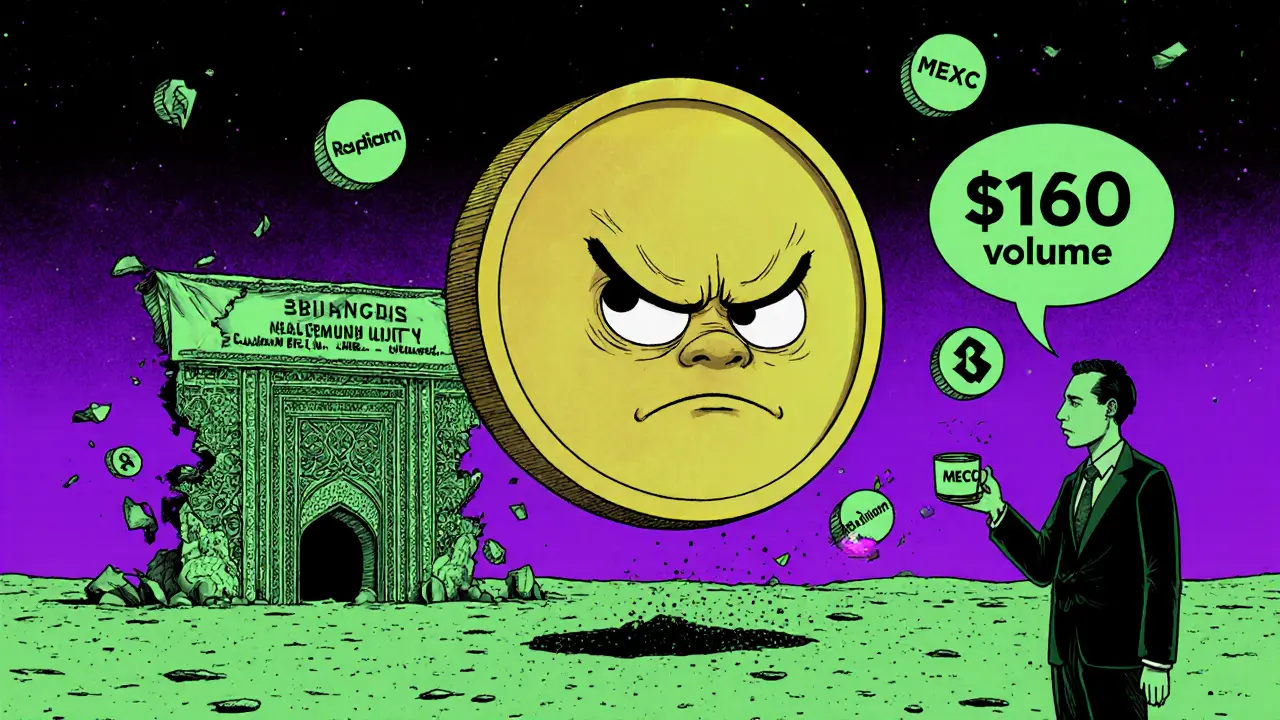
When you hear Arab meme coin, a cryptocurrency built on internet humor, regional pride, or viral trends in Arab-speaking communities. Also known as Arabic meme token, it’s not a financial tool—it’s a cultural moment wrapped in blockchain code. Unlike Bitcoin or Ethereum, these coins don’t solve problems. They don’t have whitepapers. They don’t even have teams. What they do have is a massive following on Telegram, TikTok, and X, where memes turn into market movements overnight.
These coins thrive on identity and emotion. Think of them as digital flags—people buy them not because they expect returns, but because they feel connected to the joke, the symbol, or the community behind it. That’s why some Arab meme coins spike after a popular influencer posts a meme, or after a regional event like the World Cup. But here’s the catch: most of them collapse just as fast. Take Pepes Dog (ZEUS), a meme token tied to Pepe the Frog lore with zero utility and a 420-trillion supply—it’s not unique. It’s just one of hundreds. And like Flowmatic ($FM), a Solana-based DeFi token that vanished after zero adoption, they often disappear without a trace. These aren’t investments. They’re digital lottery tickets.
What makes Arab meme coins different isn’t the tech—it’s the culture. While American meme coins like Dogecoin ride on Elon Musk tweets, Arab versions often tie into local slang, football rivalries, or even political satire. That’s why you’ll see coins named after regional icons, inside jokes, or even misspelled words that became memes. But this cultural edge doesn’t protect you from scams. Fake exchanges like Armoney, a fake crypto platform often confused with Harmony or BTC Armani Nova—are everywhere. They lure people in with promises of free tokens, then vanish with their funds. The same goes for fake airdrops. If a token has no trading volume, no exchange listings, and no team, it’s not a project—it’s a trap.
You’ll find plenty of posts here that expose these traps. Some break down how Arab meme coins are used to launder money or pump-and-dump unsuspecting traders. Others show you how to spot the difference between a viral joke and a real scam. There are guides on what to do if you accidentally bought a dead token, and how to avoid getting locked into a rug pull disguised as a community initiative. You’ll also see how these coins interact with real DeFi platforms—sometimes they’re listed on decentralized exchanges like Ref Finance, but only because no one’s checking if they’re legit.
Bottom line: Arab meme coins aren’t going away. They’re too fun, too loud, too tied to identity to disappear. But they’re also too risky to treat like savings. If you’re here, you probably already bought one—or you’re thinking about it. This collection doesn’t tell you to avoid them. It tells you how to survive them. Whether you’re chasing a quick flip or just laughing at the chaos, you need to know the rules before you play. Below, you’ll find the real stories behind the memes—the ones that made money, the ones that got people wiped out, and the ones that never even got off the ground.