BitShares blockchain: What It Is, How It Worked, and Why It Matters Today
When you think of blockchain, you probably think of Bitcoin or Ethereum. But back in 2014, BitShares blockchain, a decentralized platform designed for high-speed trading and automated markets. Also known as BTS, it was one of the first blockchains built not just to send money, but to run a full crypto exchange on-chain. Unlike Bitcoin, which focuses on being digital gold, or Ethereum, which tries to be a world computer, BitShares was all about making trading fast, cheap, and open to anyone — no middlemen, no delays, no permission needed.
It introduced decentralized exchange, a platform where users trade directly on the blockchain without relying on a central company. Also known as DEX, it was years before Uniswap or SushiSwap even existed. BitShares let you trade crypto-to-crypto with near-instant settlements and fees under a penny. It also had something called blockchain governance, a system where token holders vote on upgrades, funding, and rules without needing a company to decide for them. Also known as on-chain governance, it gave users real power over the network’s future. That’s rare even today. Most blockchains still rely on core teams or foundations to make big calls. BitShares tried to make that process democratic — and it worked, at least for a while.
But here’s the catch: speed and decentralization don’t always win. BitShares had a loyal group of users, but it never broke into the mainstream. Its native token, BTS, faded from top 10 lists. The tools were powerful, but the interface was clunky. The community was passionate, but small. And while other chains copied its ideas — like decentralized stablecoins and automated market makers — they did it better, with prettier apps and bigger marketing budgets.
Today, BitShares isn’t dead, but it’s quiet. You won’t find it on Coinbase or Binance. You won’t hear it in crypto influencer videos. But if you dig into how DEXs handle liquidity, how governance votes are structured, or how tokens can be backed by real assets on-chain, you’ll see its fingerprints everywhere. The people who built BitShares didn’t just chase hype — they built real infrastructure. And that’s what matters.
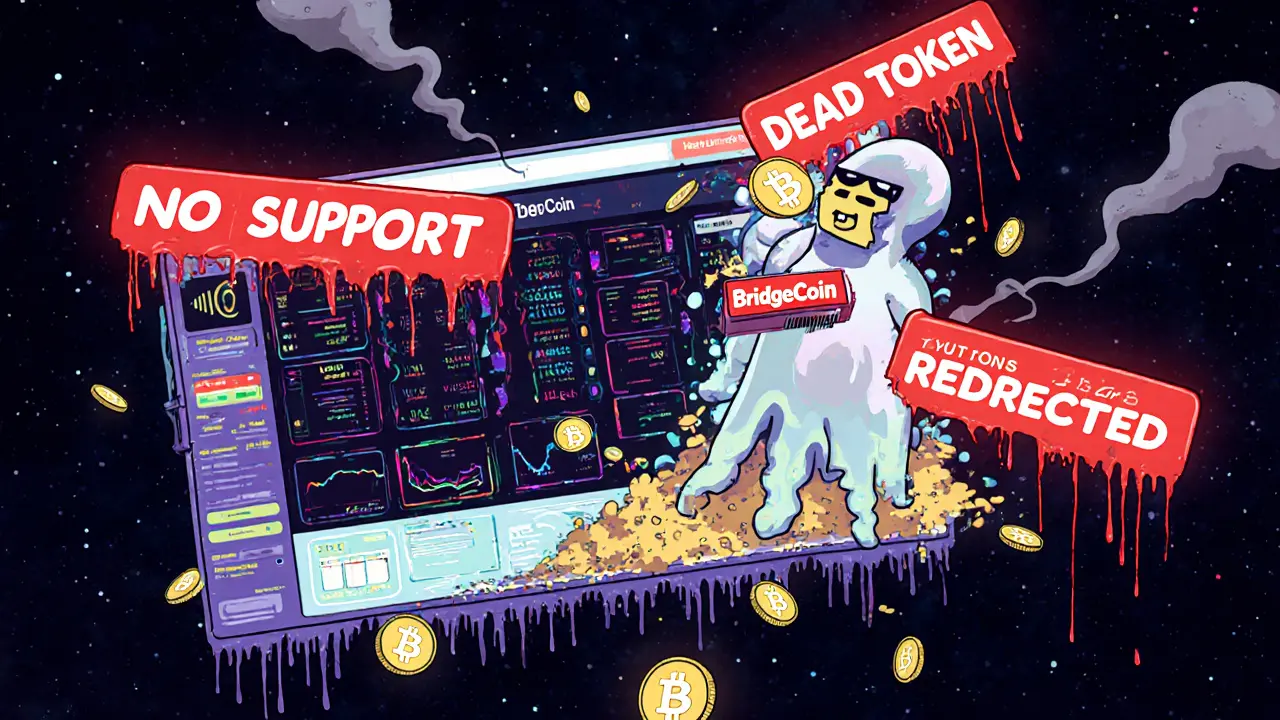
Below, you’ll find real reviews, breakdowns, and warnings about platforms that tried to copy or connect to BitShares — and others that failed because they didn’t learn from it. Some posts expose scams pretending to be BitShares-related. Others show how its ideas live on in today’s tools. No fluff. No hype. Just what happened, why it mattered, and what you should know before touching anything tied to it.