Blockchain: What It Is, How It Powers Crypto, and Why It Matters
When you hear blockchain, a decentralized digital ledger that records transactions across many computers so that any involved record cannot be altered retroactively. Also known as distributed ledger technology, it’s the reason crypto exists without banks. It’s not magic. It’s code. And it’s what lets people trade tokens, earn airdrops, or run apps like Ref Finance without trusting a single company.
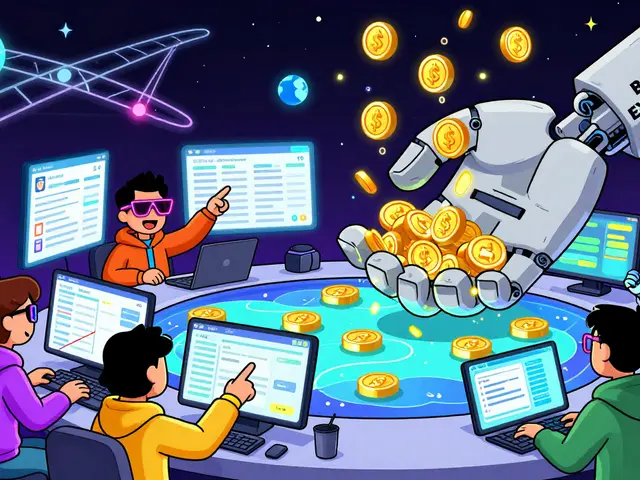
Blockchain doesn’t just store Bitcoin. It runs DeFi, a system of financial apps built on open networks that let you lend, borrow, or swap crypto without intermediaries. Platforms like Ref Finance and SushiSwap run on blockchain because they need transparency and no central point of failure. That’s also why DAOs, organizations governed by code and token holders instead of CEOs can manage treasuries or vote on upgrades—every decision is recorded on-chain. Even NFTs, unique digital tokens that prove ownership of art, game items, or collectibles rely on blockchain to prove you own the real version, not just a screenshot.
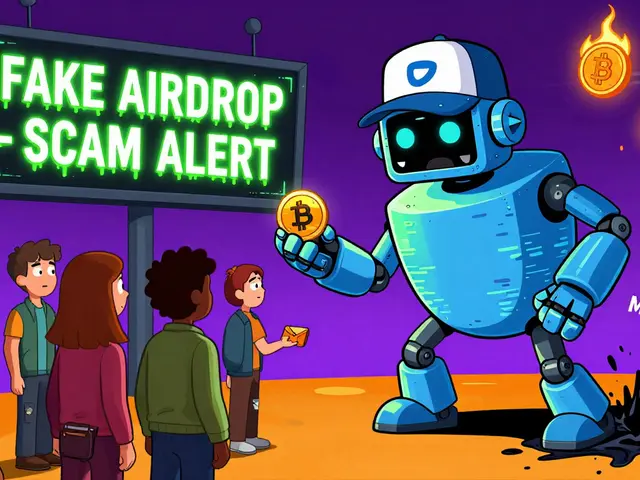
But here’s the catch: not every project using blockchain is legitimate. Many tokens like Flowmatic, TajCoin, or Project Quantum claim to be on blockchain—but they have no users, no liquidity, and no real development. That’s why so many posts here expose scams disguised as innovation. Real blockchain projects don’t need hype. They need code, community, and clear rules. That’s what separates a working DEX from a ghost app. And that’s what you’ll find in this collection: real breakdowns of what works, what doesn’t, and why the blockchain behind it either delivers or fails.
Below, you’ll see how blockchain affects everything from Nigerian trading rules to Korean exchanges, from airdrops on NEAR to mining licenses in Venezuela. No fluff. Just what’s actually happening on the chain—and who’s getting left behind.