Key Takeaways for Traders
- Security is the make-or-break factor for any platform; look for cold storage and MFA.
- Trading fees can eat your profits if you're doing high-volume scalping.
- User interface simplicity helps beginners, but advanced traders need deep order books.
- Regulatory compliance determines if your funds are legally protected or floating in a void.
The Security Architecture: More Than Just a Password
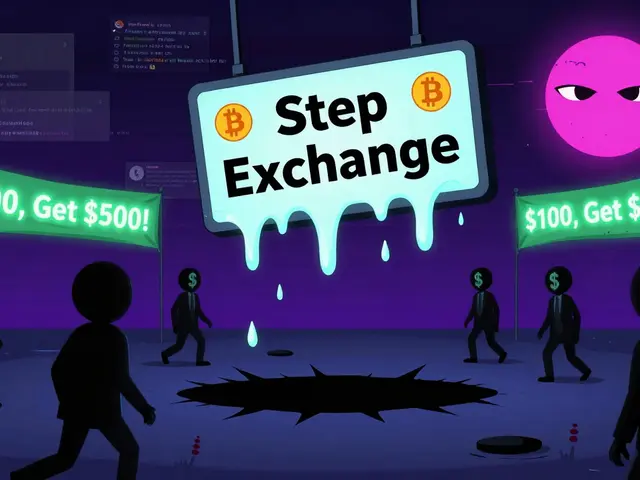
If an exchange doesn't prioritize security, everything else is irrelevant. A reputable platform should use Multi-Factor Authentication (MFA), which requires a second form of verification beyond just a password. If IX.com only offers email verification, that's a massive red flag. You want to see integration with apps like Google Authenticator or physical security keys.
Then there's the matter of where your coins actually live. Most top-tier exchanges keep about 95% to 98% of user funds in Cold Storage-wallets that are completely offline and disconnected from the internet. This prevents hackers from draining the entire reserve in one go. When reviewing IX.com, check if they publish a "Proof of Reserves" audit. Without a third-party verified audit, you're essentially taking the company's word that your Bitcoin is actually there.
Encryption is another non-negotiable. Any platform handling financial data must use AES-256 encryption for data at rest. If you're transferring funds, the connection must be secured via TLS 1.3 to prevent man-in-the-middle attacks. If the site feels sluggish or has intermittent SSL errors, leave immediately.
Trading Experience and Asset Variety
A great exchange is useless if it only lists three coins. You want a platform that supports major assets like Bitcoin and Ethereum, but also provides a gateway to emerging altcoins. The liquidity-essentially how easily you can buy or sell a coin without moving the price too much-is what separates the pros from the amateurs.
If you're using the platform for day trading, check the "Slippage." If you place a market order for $1,000 and the platform executes it at a price 2% higher than the quoted rate, that's high slippage. This usually happens on exchanges with thin order books. IX.com needs to demonstrate high volume to ensure you get the price you actually see on the screen.
| Feature | Ideal Standard | Warning Sign |
|---|---|---|
| Fund Storage | 98% Cold Storage | 100% Hot Wallet |
| Verification | Tiered KYC (Know Your Customer) | No identity verification |
| Withdrawal Speed | Instant to 30 Minutes | Days of "Manual Review" |
| Security Audits | Quarterly Third-Party Reports | Internal "Self-Certifications" |

The Cost of Trading: Fees and Hidden Charges
Fees are the silent killer of portfolios. Most exchanges use a "Maker-Taker" fee model. A Maker is someone who places a limit order that adds liquidity to the book, while a Taker removes liquidity by buying at the current market price. Makers usually pay lower fees because they help the exchange function.
Watch out for withdrawal fees. Some platforms lure you in with zero trading fees, only to hit you with a $50 flat fee when you try to move your funds to a private wallet. Compare these costs to industry giants like Binance or Coinbase to see if IX.com is pricing you fairly. If the fees are significantly lower than the market average, ask yourself: how are they making money? Often, the answer is that they are selling your order flow to high-frequency traders, which can result in worse execution prices for you.
Navigating the User Interface
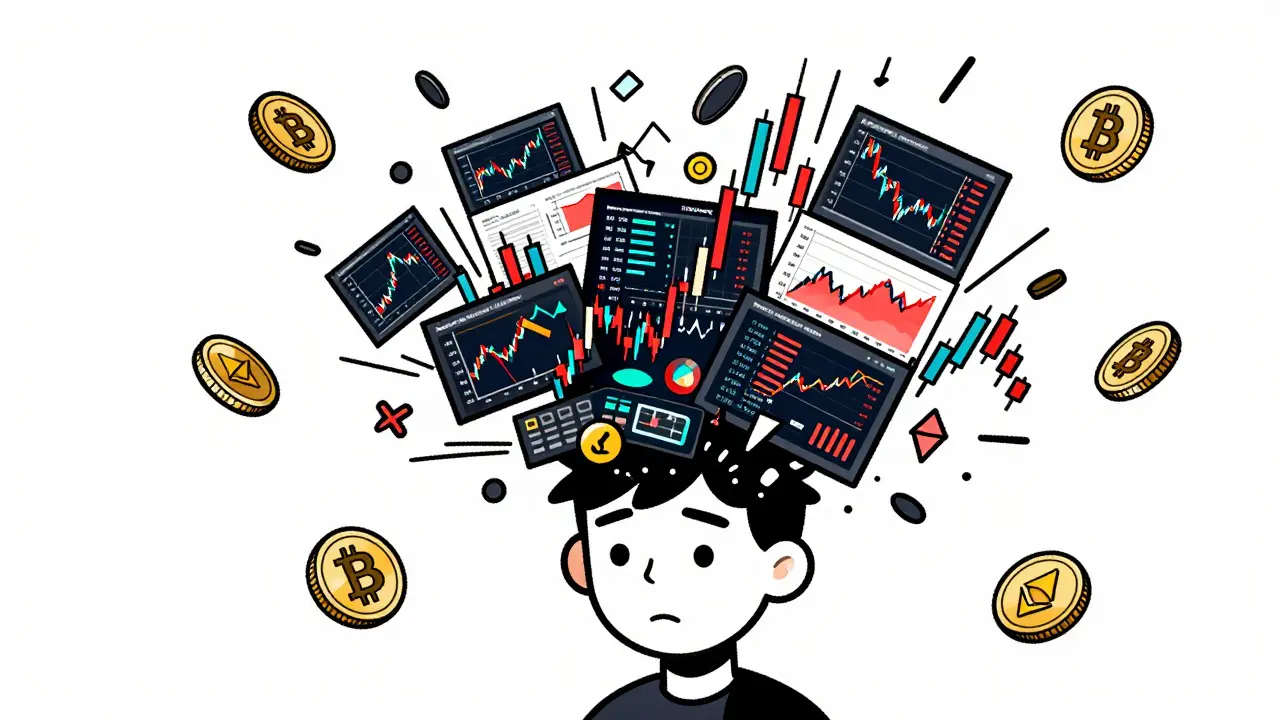
For a beginner, a complex trading screen looks like a cockpit of a Boeing 747-terrifying and overwhelming. A good exchange should offer a "Basic" mode for simple swaps and an "Advanced" mode with candlesticks, RSI indicators, and depth charts. If IX.com forces you into a professional interface without a learning curve, it's a failure in UX design.
Mobile accessibility is just as critical. Since most people check their portfolios on the go, the app needs to be snappy. If the app crashes during a period of high volatility-like a sudden 10% drop in Bitcoin's price-you might miss your window to sell or hedge. Test the app's responsiveness during peak trading hours to ensure it doesn't freeze when you need it most.
Compliance and Legal Safeguards
The regulatory landscape for crypto is a minefield. You need to know if the exchange follows Anti-Money Laundering (AML) laws. While strict KYC (Know Your Customer) processes can feel invasive-requiring your passport and a selfie-they are actually a sign that the exchange is operating legally. Platforms that promise "total anonymity" often end up being shut down by regulators or becoming hubs for fraudulent activity.
Consider where the company is headquartered. An exchange based in a jurisdiction with no financial oversight is a gamble. If the company disappears overnight, you have zero legal recourse to get your money back. Look for licenses from recognized bodies like the FCA in the UK or FinCEN in the US. If IX.com refuses to disclose its physical location or corporate structure, that's a signal to take your assets elsewhere.
Final Verdict: Should You Use IX.com?
Deciding where to store your crypto comes down to a balance of convenience and risk. If IX.com provides transparent reserves, strong MFA, and competitive fees, it can be a viable tool in your arsenal. However, remember the golden rule of crypto: "Not your keys, not your coins." No matter how good an exchange review is, the safest place for your long-term holdings is always a private hardware wallet.
Is IX.com safe for beginners?
Safety for beginners depends on two things: the simplicity of the interface and the strength of the security. If IX.com offers a guided onboarding process and mandatory Two-Factor Authentication (2FA), it's a decent starting point. However, beginners should always start with small amounts of capital until they understand how deposits and withdrawals work.
How do I know if the trading fees are fair?
Compare the Maker and Taker fees against the industry average, which typically ranges from 0.1% to 0.5%. If IX.com charges significantly more than 0.5% per trade, it will heavily erode your profits over time, especially if you trade frequently.
What is Proof of Reserves and why does it matter?
Proof of Reserves (PoR) is a transparent way for an exchange to prove it actually holds the assets it claims to have for its users. This prevents the "fractional reserve" problem where an exchange lends out user funds and cannot fulfill withdrawals during a market panic.
Can I recover my funds if IX.com goes bankrupt?
In most cases, funds held on an exchange are considered unsecured liabilities. This means if the company goes bankrupt, you are just another creditor in line. This is why using a non-custodial wallet for long-term storage is the only way to ensure you maintain full control of your assets.
Does IX.com support a wide range of altcoins?
You'll need to check their current market page. A competitive exchange usually supports the top 50-100 coins by market cap. If they only offer a handful of assets, you'll likely find yourself needing a second account on a different platform to diversify your portfolio.
Next Steps and Troubleshooting
If you've decided to try IX.com, start by depositing a small "test amount" to ensure the funding process works. If you run into issues with KYC verification, ensure your documents are high-resolution and not cropped; this is the most common reason for automated rejection. For those who are high-volume traders, reach out to their support to see if you qualify for a fee tier discount based on your monthly volume.