CASP Regulations: What They Mean for Crypto Traders and Exchanges
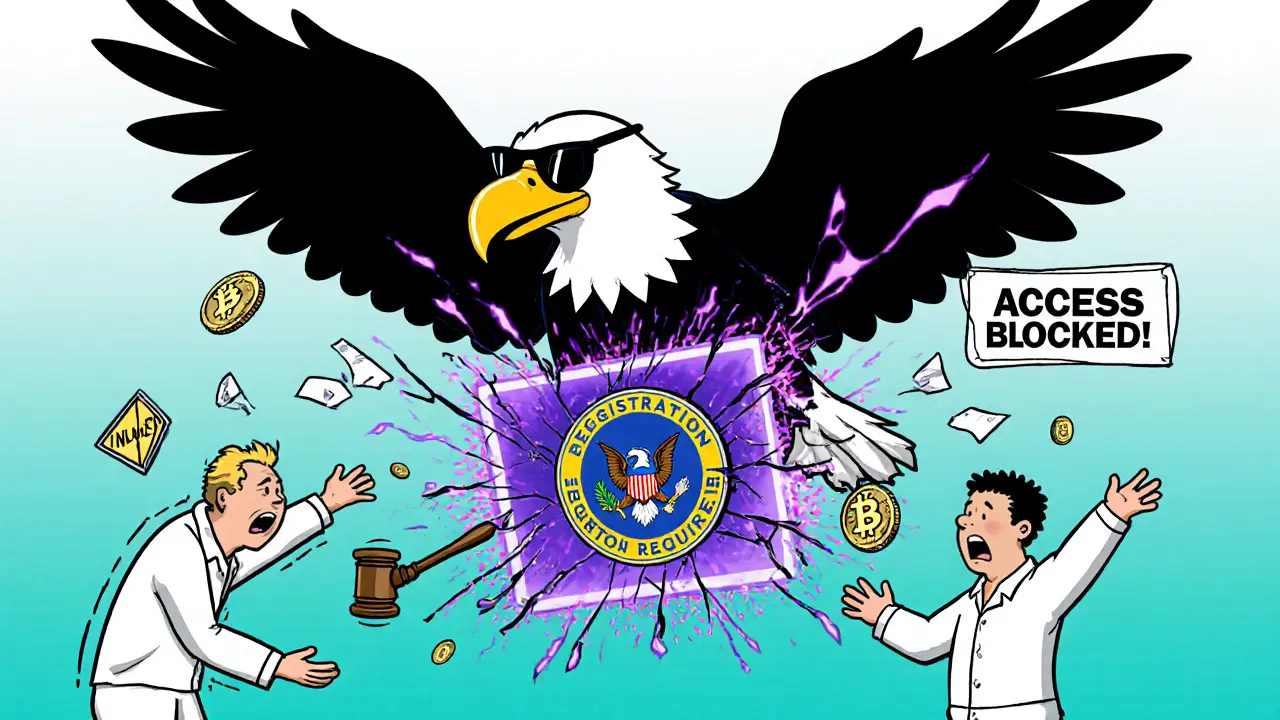
When you hear CASP regulations, Crypto Asset Service Provider rules that define who can legally offer crypto services in regulated markets. Also known as crypto licensing frameworks, these rules are now the backbone of legal crypto trading in the UK, EU, and beyond. They don’t just apply to big exchanges—they touch every trader, miner, and DeFi user who interacts with regulated platforms. If you’re using a service that claims to be compliant, chances are it’s answering to CASP rules.
CASP regulations require exchanges to prove they know their users, secure funds properly, and report suspicious activity. That’s why you see platforms like COREDAX, a South Korean crypto exchange built for local compliance and Xcalibra, a niche exchange pursuing Swiss licensing spending years on paperwork. It’s not just bureaucracy—it’s survival. In the UK, HM Treasury, the government body enforcing crypto rules under the FCA now demands full transparency from every platform handling crypto assets. Meanwhile, countries like Vietnam and Indonesia are crafting their own versions, banning stablecoins or capping exchange capital just to stay in control.
These rules don’t exist in a vacuum. They’re directly linked to the platforms you use. Nigeria’s 2025 shift from ban to regulated trading? That’s CASP-style policy in action. Indonesia’s OJK oversight? Same framework. Even scams like CreekEx and Woof Finance get exposed because real CASP-compliant exchanges have clear audits, public licenses, and customer support—things fraudsters can’t fake. If a platform avoids mentioning its regulatory status, that’s a red flag. If it’s pushing you to use residential proxies to hide your location, it’s likely trying to dodge these exact rules.
What you’ll find below aren’t just random posts. They’re real-world examples of how CASP regulations play out—whether it’s Nigerian traders navigating inconsistent enforcement, Korean users relying on local licensing, or UK traders watching stablecoin rules tighten. You’ll see how compliance shapes what exchanges exist, who can use them, and why some platforms vanish overnight. This isn’t theory. It’s what’s happening right now, in your wallet and on your screen.