CBN Crypto Policy: What Nigeria's Central Bank Really Allows and Blocks
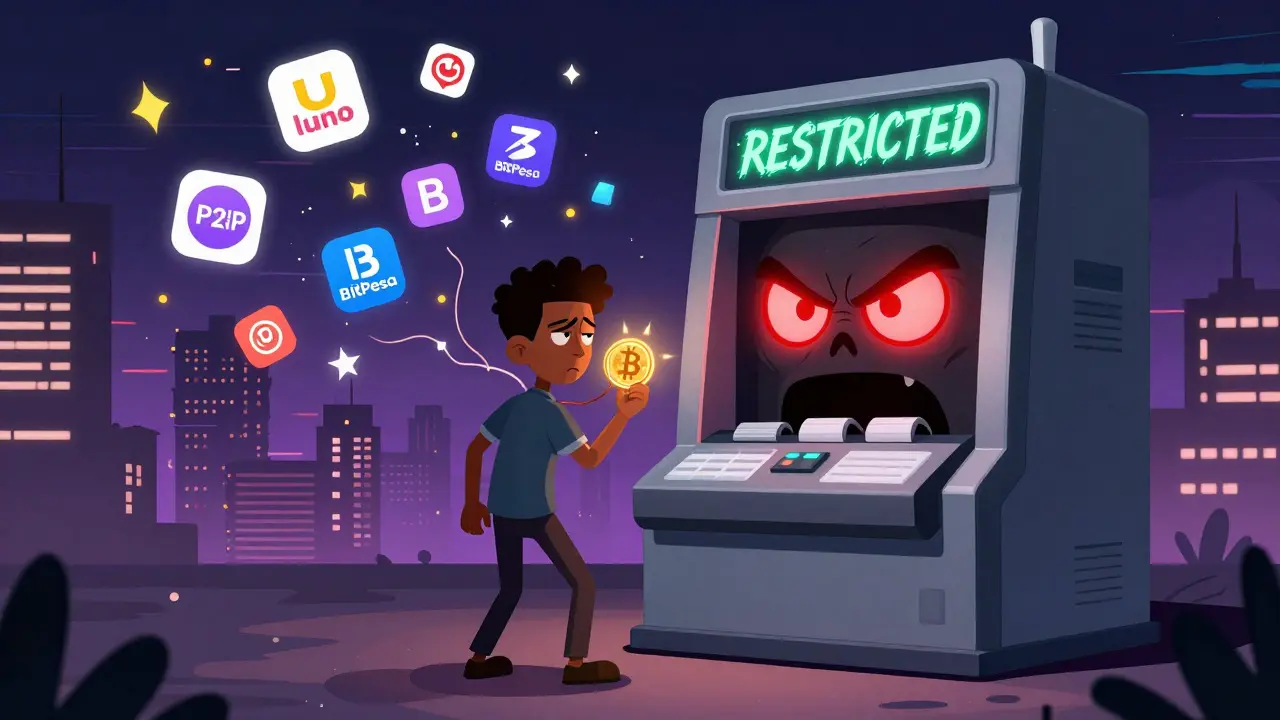
When it comes to CBN crypto policy, the set of rules and restrictions issued by the Central Bank of Nigeria governing cryptocurrency use, trading, and banking access. Also known as Nigeria crypto regulations, it's not a ban—it's a messy middle ground that’s changed how millions trade crypto daily. The CBN doesn’t say you can’t own Bitcoin or Ethereum. But it does block banks from handling crypto transactions, shuts down crypto-linked accounts, and warns financial institutions not to touch digital assets. This isn’t about stopping innovation—it’s about control. And yet, Nigerians still trade. Millions do it every day, using P2P platforms, foreign exchanges, and stablecoins to bypass the restrictions.
The Central Bank of Nigeria, the country’s monetary authority responsible for issuing currency and regulating financial institutions. Also known as CBN, it has never officially legalized crypto as money. But in 2025, it quietly stopped calling it illegal—instead, it calls it "virtual assets." That shift matters. It means people can hold crypto without breaking the law, but they still can’t use banks to buy or sell it. Meanwhile, the Nigeria crypto regulations, the evolving legal framework around digital assets, including licensing rules for exchanges and tax obligations for traders. Also known as ISA 2025 Nigeria, it is slowly being rewritten. The Investment and Securities Act now includes crypto under its scope, meaning regulators are trying to catch up with what’s already happening on the ground.
What you’ll find in the posts below isn’t theory—it’s real. Traders in Lagos using P2P apps to buy USDT. People losing money because their bank froze their account after a single crypto deposit. Companies trying to get licensed under the new rules but stuck in paperwork hell. And the scams that thrive in this gray zone, like fake exchanges pretending to be CBN-approved. This collection shows you what’s actually working, what’s dangerous, and who’s getting left behind. No fluff. No promises. Just what’s happening when the CBN isn’t looking.