Crypto Enforcement: What It Means and How It Affects Traders Today
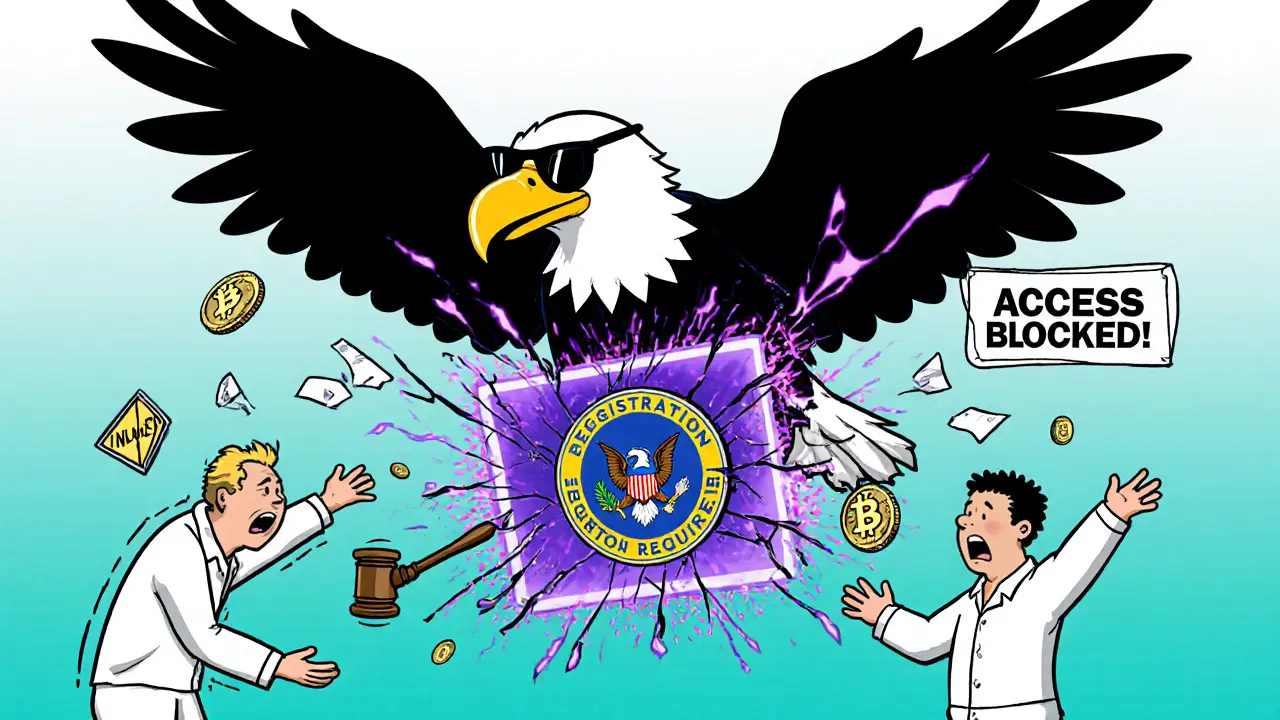
When we talk about crypto enforcement, the actions governments and agencies take to regulate, monitor, or restrict cryptocurrency use. Also known as cryptocurrency regulation, it’s not just about rules—it’s about who gets to trade, where, and under what conditions. This isn’t theoretical. In 2025, crypto enforcement is actively shutting down fake exchanges, freezing accounts, and forcing traders to choose between compliance or risk.
It’s not just the U.S. or Europe doing this. Countries like Vietnam, a market with high retail adoption but strict state controls on trading and stablecoins and Nigeria, where bans were lifted but enforcement remains patchy and inconsistent are playing their own versions of the game. Meanwhile, places like the UK, where HM Treasury now requires all exchanges to be licensed under the FCA are tightening the screws on platforms. Even crypto mining isn’t safe—Venezuela now forces miners into state pools, and Indonesia treats crypto as a commodity, not money. These aren’t isolated cases. They’re signals.
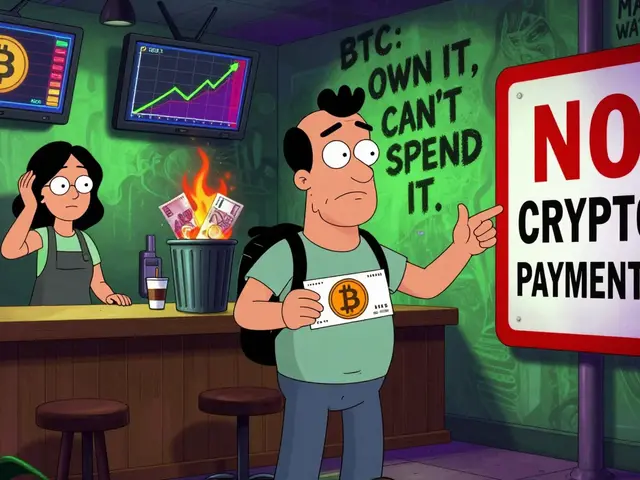
And enforcement doesn’t stop at exchanges. It reaches into your wallet. If you’re holding tokens with no trading volume, like Flowmatic ($FM) or TajCoin (TAJ), you’re not just holding a speculative asset—you’re holding something that could vanish overnight if regulators decide it’s a scam. Airdrops? Many are fake. KCCSwap had no official airdrop. DSG tokens had zero trading volume. These aren’t mistakes—they’re loopholes enforcement teams are actively closing. Even legal moves like relocating for tax purposes require real residency, not just a VPN. Bangladeshis use VPNs to bypass blocks, but that doesn’t make them immune to crackdowns. Crypto enforcement is catching up fast.
What you’ll find below isn’t a list of headlines. It’s a collection of real cases—exchanges that vanished, airdrops that collapsed, regulations that changed overnight. You’ll see how Nigeria’s rules shifted, why Korea’s COREDAX works only for locals, and how a simple misspelling like "Armoney" can be a trap. These aren’t just stories. They’re warnings. And they’re all connected to one thing: crypto enforcement is no longer a buzzword. It’s the new reality.