Crypto Exchanges in Bangladesh: What’s Legal, What’s Not, and Where to Trade
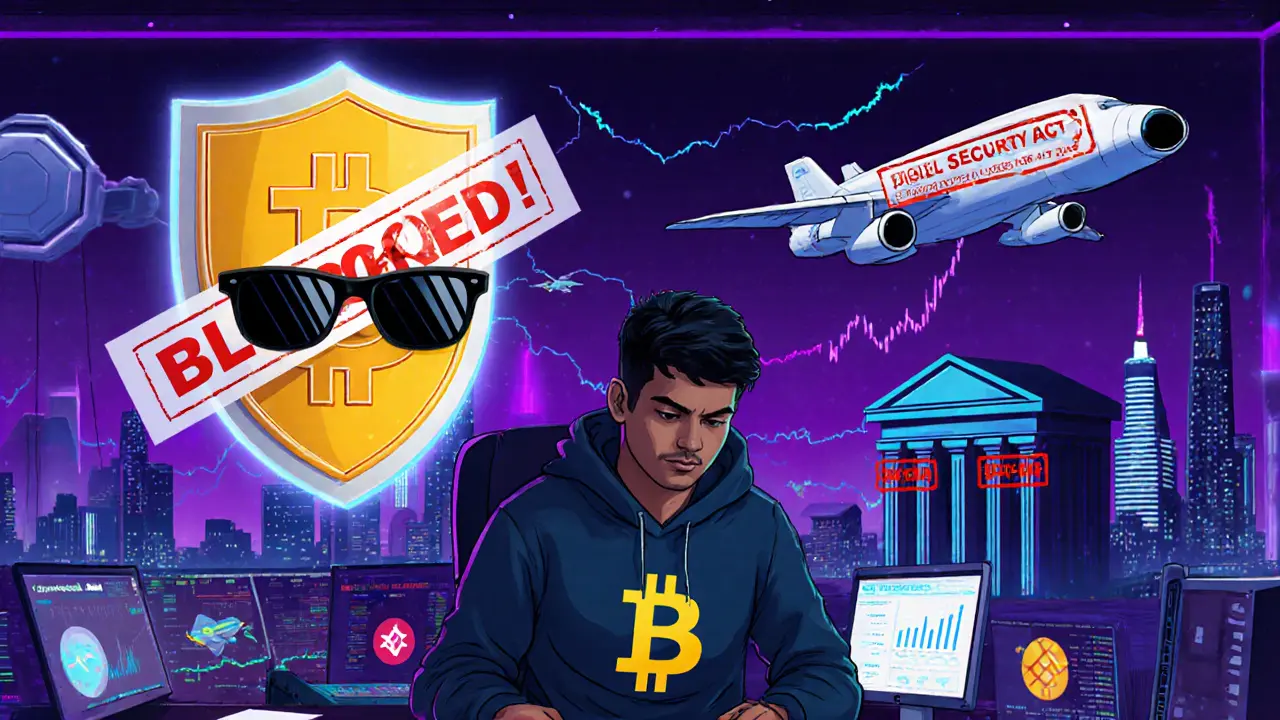
When it comes to crypto exchanges Bangladesh, platforms where users buy, sell, or trade digital currencies like Bitcoin and Ethereum within Bangladesh. Also known as digital asset trading platforms, they’re the bridge between local taka and global blockchain networks. But here’s the catch: while millions in Bangladesh use crypto daily, the central bank has never given these platforms official approval. That doesn’t mean they’re gone—it means they’re hiding in plain sight.
What you won’t find are licensed Bangladesh crypto regulations, official rules set by the Bangladesh Bank that define how digital currencies can be used, taxed, or traded. Unlike Vietnam or Indonesia, where clear frameworks emerged in 2025, Bangladesh still treats crypto as a gray-market activity. The Bangladesh Bank, the country’s central monetary authority that controls banking, foreign exchange, and financial oversight has repeatedly warned banks not to deal with crypto businesses. Yet, peer-to-peer trading is booming. People use Binance, Bybit, and OKX—not because they’re legal, but because they’re the only ones that work. And most traders? They use local payment apps like bKash and Nagad to send taka to overseas wallets, then swap it for crypto on global platforms.
There’s no official list of approved exchanges, no licensed local crypto broker, and no government-backed wallet. That’s why so many posts in this collection focus on scams like CreekEx and Woof Finance—fake platforms pretending to be Bangladesh-friendly. Real traders here avoid anything that claims to be "regulated in Bangladesh" because no such thing exists. Instead, they rely on community forums, Telegram groups, and word-of-mouth to find safe routes. Some even use VPNs to access exchanges that block Bangladesh IPs, while others trade through offshore friends who hold foreign accounts.
If you’re in Bangladesh and want to trade crypto, you’re not breaking the law by owning it—but you *are* risking your bank account if you link it directly to a crypto platform. The real challenge isn’t finding a place to buy Bitcoin. It’s finding a way to get your money in and out without getting flagged. That’s why this collection dives deep into what actually works: how people bypass restrictions, which global exchanges still accept Bangladeshi users, and which coins are being traded most. You’ll also find warnings about fake airdrops, misleading token names like Armoney, and the dangers of unregulated platforms that vanish overnight. This isn’t about theory. It’s about survival in a system that refuses to acknowledge what’s already happening.