Crypto Mining Norway
When you think of crypto mining Norway, a place where Bitcoin mining thrives on clean, low-cost hydropower. Also known as green crypto mining, it’s one of the few places where running mining rigs doesn’t mean burning fossil fuels or paying sky-high electricity bills. Unlike countries where mining is banned or taxed into oblivion, Norway lets miners operate with minimal interference—so long as they pay their bills and don’t overload the grid.
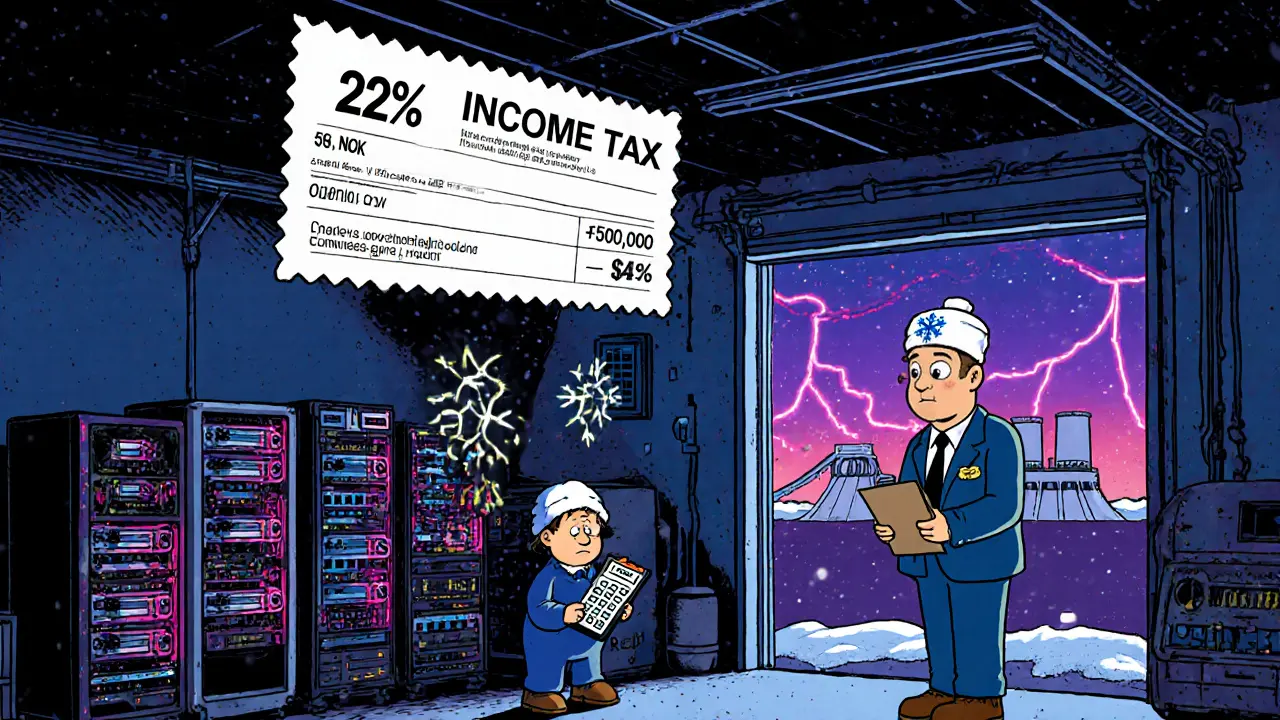
What makes Norway special isn’t just the cold weather (though that helps cool rigs), it’s the electricity costs, averaging under 5 cents per kWh in many regions thanks to hydro and wind power. This is why miners from Germany, the U.S., and even Russia have moved operations here. But here’s the catch: not all miners stay. Some get squeezed by rising demand for grid access, local resistance to large data centers, or new rules around noise and land use. And while mining hardware like ASICs from Bitmain or MicroBT are common, you can’t just plug them in anywhere—some municipalities require permits, especially if you’re running more than a few rigs. The government doesn’t tax mining profits, but you still need to declare income if you’re selling coins. And if you’re using a residential connection, you’re not supposed to run a commercial-scale operation without a business license.
There’s also a growing trend of community mining setups—small groups pooling hardware and sharing power contracts to get better rates. It’s not like the wild west of 2017 anymore. Miners now need to think about long-term contracts, cooling systems, and even local politics. Some towns are starting to limit new mining installations because they’re drawing too much power from neighborhoods already struggling with winter heating. So while Norway still offers one of the best environments for crypto mining in the world, it’s no longer the easy win it used to be.
Below, you’ll find real reviews and deep dives into what’s actually happening on the ground. From miners who lost money after moving here, to those who turned a small garage into a profitable setup, to the companies trying to build crypto mining farms in rural areas—this collection cuts through the hype. You’ll see what hardware works best in cold climates, how to navigate local regulations, and why some miners are quietly packing up and leaving—even with free electricity.