Crypto Remittances: How Blockchain Is Changing Global Money Transfers
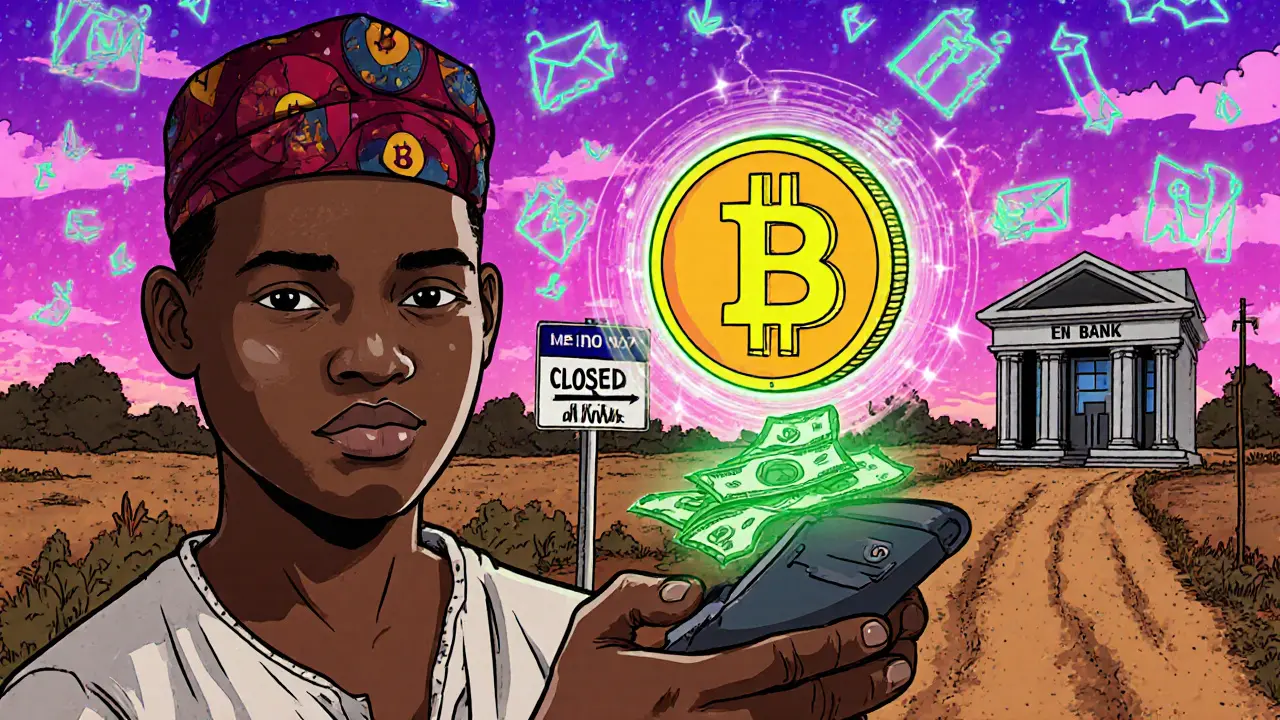
When you send money across borders, traditional services like Western Union or Wise can take days and charge up to 10% in fees. But crypto remittances, the use of digital currencies like Bitcoin, USDT, or ONE to transfer value between countries without banks. Also known as blockchain remittances, it lets people send money in minutes with fees under 1%—even from places with strict capital controls. This isn’t theory. In Nigeria, where banks once blocked crypto transactions, people now use Binance and local P2P platforms to send dollars to family in Ghana or the U.S. In Venezuela, where hyperinflation wiped out savings, workers abroad send crypto directly to digital wallets, where recipients cash out via local exchanges or ATMs.
Crypto remittances rely on three things: crypto exchanges, platforms that let users buy, sell, or trade digital assets. Also known as crypto trading platforms, they’re the bridge between fiat and crypto, digital wallets, secure apps or hardware devices that store private keys and let you send/receive crypto. Also known as crypto wallets, they’re your personal bank account on the blockchain, and cross-border payments, the act of moving money from one country to another, often with high fees and delays. Also known as international money transfers, they’re what crypto remittances are replacing. You don’t need a bank account. You don’t need to wait for clearance. You just need internet, a wallet, and someone on the other end who can convert crypto to cash. Bangladeshis use VPNs to access Binance because local banks block remittance apps. Venezuelans trade crypto through state-licensed pools just to get paid. And in Indonesia, people send USDT to avoid the OJK’s strict fiat rules.
But it’s not all smooth. Some platforms are scams—like CreekEx or Woof Finance—that pretend to be exchanges. Others, like KCCSwap, claim to offer airdrops but have no real product. Regulations are messy: Vietnam allows crypto as an asset but bans stablecoins. The UK’s FCA now oversees stablecoin issuers. Nigeria’s ISA 2025 lifted bans but enforcement is patchy. That’s why knowing the difference between a real exchange like COREDAX (for Koreans) and a fake one like Armoney matters. The posts below cover exactly that: real tools, real risks, and real stories from people using crypto remittances to survive, not speculate. You’ll find guides on how to send crypto safely, which exchanges work where, and how to avoid losing money to scams. This isn’t about getting rich. It’s about getting paid—no matter where you are.