Model Context Protocol: What It Is and How It Shapes Crypto AI Tools
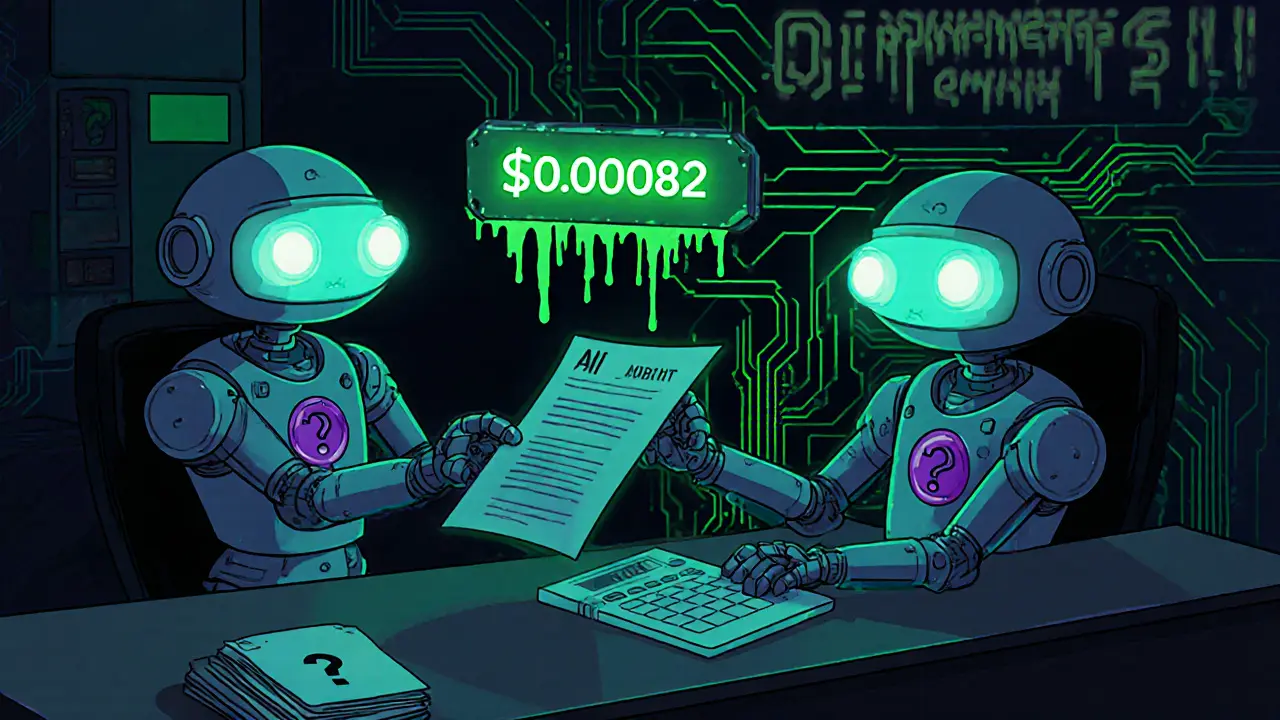
When you see an AI tool that predicts crypto prices, flags airdrops, or auto-trades on DeFi platforms, it’s likely using something called Model Context Protocol, a framework that defines how artificial intelligence interprets and uses structured data from blockchain networks. Also known as MCP, it’s not a coin or a platform — it’s the invisible rulebook that tells AI what data matters, how to connect it, and when to act. Most people think AI in crypto just guesses trends. But without Model Context Protocol, those guesses are random noise. It’s what turns scattered on-chain data — like wallet movements, smart contract calls, or token transfers — into something an AI can actually understand and act on.
Think of it like teaching a new employee how your business works. You don’t just hand them a spreadsheet. You explain the workflow: when invoices arrive, who approves them, how payments clear. Model Context Protocol does that for AI in crypto. It tells the AI: "When you see a wallet send 500 tokens to a liquidity pool on Uniswap, and then 30 minutes later, a new token is listed on a DEX with low volume — that’s a potential pump-and-dump setup. Flag it." That’s why projects like AdEx AURA and Ref Finance use it — they don’t just track data, they interpret it. Without this protocol, AI tools can’t tell the difference between a real trend and a glitch. And that’s why so many "AI-powered" crypto alerts are useless. They’re built on raw data, not context.
It’s also why some airdrops succeed and others vanish. Projects like BinaryX and DSG token didn’t fail because people didn’t care — they failed because their AI systems couldn’t connect user behavior to token utility. Model Context Protocol helps fix that. It lets AI understand if a user holding SCH tokens actually plays the SoccerHub game, or if they’re just collecting free tokens for resale. It tells AI whether a QBIT token holder is waiting for a game that never launched, or if they’re actively trading. This isn’t theory — it’s what separates real tools from scams. The posts below show exactly how this plays out: from failed tokens like Flowmatic and TajCoin to regulated exchanges like COREDAX that use structured data to build trust. You’ll see how MCP influences everything from trading bots to government crypto policies. No fluff. Just real examples of what works — and what doesn’t — when AI tries to make sense of crypto.