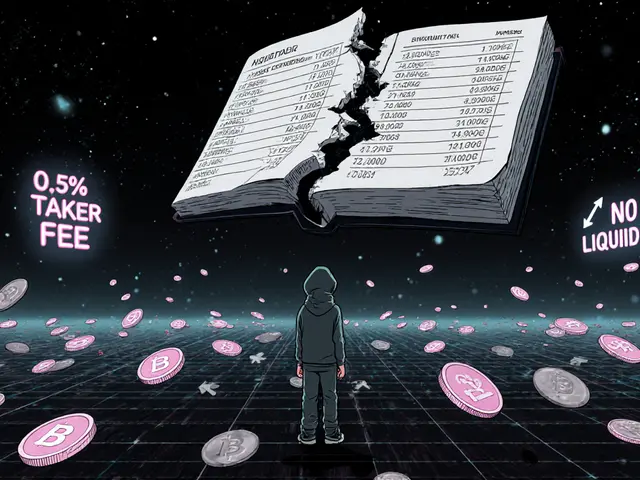
Nobitex Hack: What Happened and How to Avoid Similar Crypto Exchange Failures
When the Nobitex hack, a major security breach at one of Iran’s largest crypto exchanges that led to the theft of millions in digital assets hit the news, it wasn’t just another headline—it was a wake-up call for every trader using centralized platforms. Nobitex wasn’t some obscure startup. It was trusted by thousands, handling daily trades, deposits, and withdrawals. And yet, one vulnerability, one misstep, and everything collapsed. The hack didn’t just steal coins—it stole trust. And that’s the real cost.
What happened after the breach? Users couldn’t access their funds. Support vanished. Some got partial refunds months later. Others lost everything. This isn’t rare. Similar crypto exchange security, the practices and systems exchanges use to protect user assets from theft, hacking, and internal fraud failures have happened at Koinex, CreekEx, and Woof Finance. Each time, the pattern is the same: weak keys, no multi-sig, no cold storage, and zero transparency. These aren’t technical terms—they’re survival tools. If an exchange doesn’t clearly explain how it protects your money, assume it doesn’t. And if they’re silent after a breach? Run.
The crypto exchange hack, a targeted attack on a centralized platform to steal user funds through security flaws or insider access isn’t just about hackers breaking in. It’s about exchanges not trying hard enough to stop them. Many still store private keys on online servers. Some don’t even audit their systems. Others ignore basic fixes like two-factor authentication or user withdrawal limits. You don’t need to be a coder to protect yourself. Ask simple questions: Where are funds stored? Is there a public proof-of-reserves? Has the exchange been hacked before? If the answers are vague, your money isn’t safe.
The cryptocurrency theft, the illegal taking of digital assets through phishing, exchange breaches, or social engineering isn’t going away. It’s getting smarter. But so can you. The posts below dig into real cases like Nobitex, CreekEx, and Koinex—exchanges that failed, and why. You’ll see how users got caught, what red flags were ignored, and how to spot a platform that’s more likely to steal your coins than protect them. No fluff. No hype. Just facts from people who lived it.
Below, you’ll find reviews, breakdowns, and warnings about exchanges that didn’t get it right—and the ones that still might. Whether you’re new to trading or have been holding crypto for years, this isn’t just about learning from past mistakes. It’s about making sure you’re not the next victim.