Off-Chain NFT Metadata: What It Is, Why It Matters, and What Goes Wrong
When you buy an NFT, you’re not really owning the image or file—you’re owning a digital certificate that points to it. That pointer? It’s usually stored on the blockchain. But the actual image, audio, or 3D model? That’s often stored off-chain NFT metadata, data stored outside the blockchain, typically on centralized servers or decentralized networks like IPFS. Also known as external NFT storage, it’s the hidden layer that makes most NFTs work—but also the biggest weak point in the whole system.
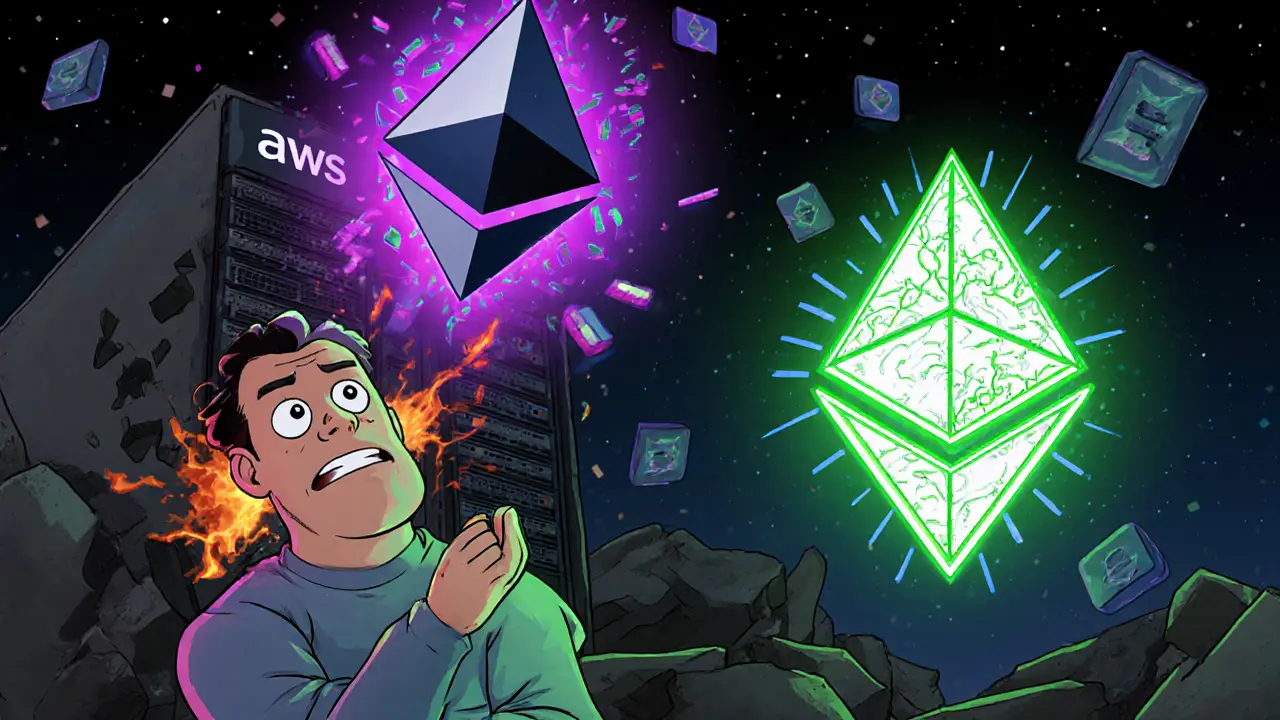
Why do most NFTs use off-chain metadata? Because storing a 10MB PNG or a 50MB video directly on Ethereum or Solana would cost thousands of dollars in gas fees. Instead, projects upload the file to a server or IPFS, then save just a URL in the blockchain. That URL is the metadata link. But here’s the catch: if that server goes down, the link breaks, and your NFT turns into a blank image. We’ve seen this happen with dozens of projects—some because the team vanished, others because they used cheap hosting that expired. Even IPFS isn’t foolproof. If no one’s pinning the file, it disappears over time. That’s why you’ll find posts here about fake NFT projects, abandoned tokens, and airdrops with no utility—they all rely on this fragile system.
Off-chain metadata also opens the door for scams. A project can mint an NFT with a link to a high-quality image, then later swap that image for something worthless—like a blank canvas or a meme. Buyers think they own a rare digital asset, but the real value was always in the link, not the blockchain. That’s why some NFTs listed here, like those tied to unlaunched games or dead DeFi tokens, look valuable on the surface but are just empty shells. The blockchain proves you own the token, but it doesn’t guarantee the content still exists.
Some projects try to fix this by using on-chain NFT, metadata fully stored inside the blockchain, making it permanent and tamper-proof, but that’s rare. It only works for tiny files—like a simple pixel art or a short text description. For anything bigger, you need off-chain storage. And that’s where the real risk lives.
Then there’s NFT metadata, the structured data that describes the NFT: name, description, attributes, traits, and the link to the media file. This data is what makes your Bored Ape different from your neighbor’s. But if that metadata is hosted on a private server controlled by the project team, you have zero control over it. They can change it. They can delete it. And unless you’ve backed up the file yourself, you’re out of luck.
That’s why the posts here cover so many failed NFT projects, abandoned tokens, and shady airdrops. They all share the same flaw: they trusted someone else to keep the data alive. You own a token, but not the thing it’s supposed to represent. And when that link breaks, your NFT becomes a ghost—visible on the blockchain, but empty in reality.
So when you’re looking at an NFT, ask yourself: where’s the metadata stored? Is it on IPFS with multiple pinners? Or on a startup’s free hosting account? The answer tells you more about its future than any hype ever could. Below, you’ll find real cases—some from 2025—where this system failed, where people lost value, and where smart buyers learned to check the link before they bought.