Supreme Court crypto ruling: What it means for U.S. traders and exchanges
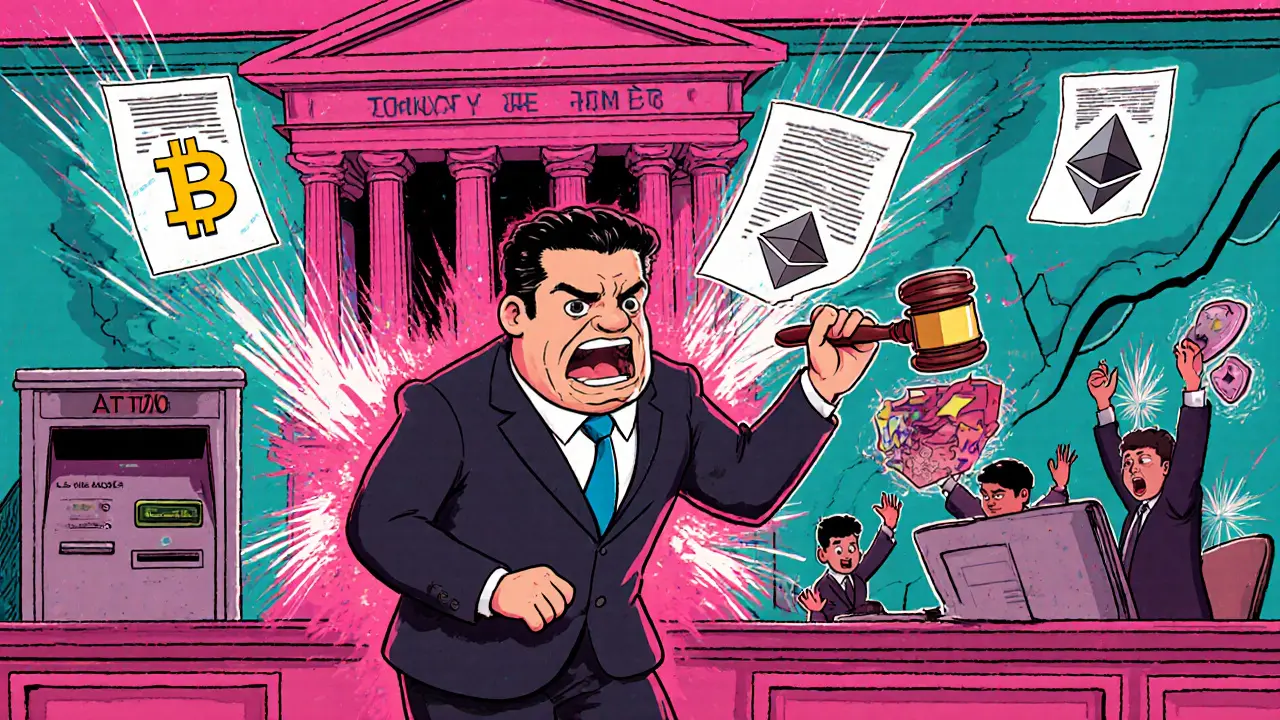
When the Supreme Court crypto ruling, a landmark legal decision affecting how U.S. regulators can enforce crypto rules dropped, it didn’t just shake up Wall Street—it changed how everyday traders see their wallets. This isn’t about Bitcoin prices or memecoins. It’s about who gets to decide what’s legal, who gets punished, and whether the SEC can keep pushing rules without Congress saying yes. The ruling clarified that federal agencies can’t just make up enforcement policies on the fly. They need clear authority from lawmakers. That’s huge for crypto, because for years, the SEC acted like it had unlimited power to label any token a security—and fine anyone who traded it.
That power grab hit exchanges like Binance, Coinbase, and Kraken hard. They were sued, fined, and forced to pull tokens off their platforms. But now, thanks to the Supreme Court crypto ruling, those actions are being reviewed. If the SEC can’t prove Congress gave them the green light to regulate crypto like stocks, their cases start to crumble. This also affects crypto regulation U.S. as a whole. States like Texas and Wyoming have been trying to build their own crypto-friendly rules, but now they have backup. The federal government can’t override them unless it has a law that says so. And right now, it doesn’t.
What does this mean for you? If you’ve been holding tokens like SOL, ADA, or even ETH, and you’re worried about them getting pulled from exchanges, the ruling gives you breathing room. Exchanges won’t be forced to delist tokens just because the SEC says so. They’ll need real legal backing. That’s why you’re seeing more platforms push back in court instead of just giving in. It’s also why SEC crypto enforcement is slowing down. The agency can’t just send cease-and-desist letters anymore and expect everyone to obey. Courts are starting to ask: Where’s the law?
But don’t get it twisted—this isn’t a free pass. The crypto exchange compliance bar didn’t disappear. If you run an exchange, you still need KYC, AML, and proper licensing. The ruling just stopped regulators from playing make-believe. Now, they have to play by the rules too. That’s why you’ll see more lobbying, more bills in Congress, and more clarity coming—not from the courts, but from lawmakers.
Below, you’ll find real-world breakdowns of how this ruling is playing out. From how Nigerian traders are watching U.S. court decisions to how Korean exchanges are adjusting their compliance teams, the ripple effects are everywhere. You’ll see how scams like CreekEx and Woof Finance are being exposed faster now that the legal ground is shifting. And you’ll learn why projects like QBIT and TAJ are fading—because without clear rules, there’s no trust. This isn’t just about law. It’s about survival in crypto. And the Supreme Court just made sure the game has a referee.