Syrian crypto users: How people in Syria trade crypto despite restrictions
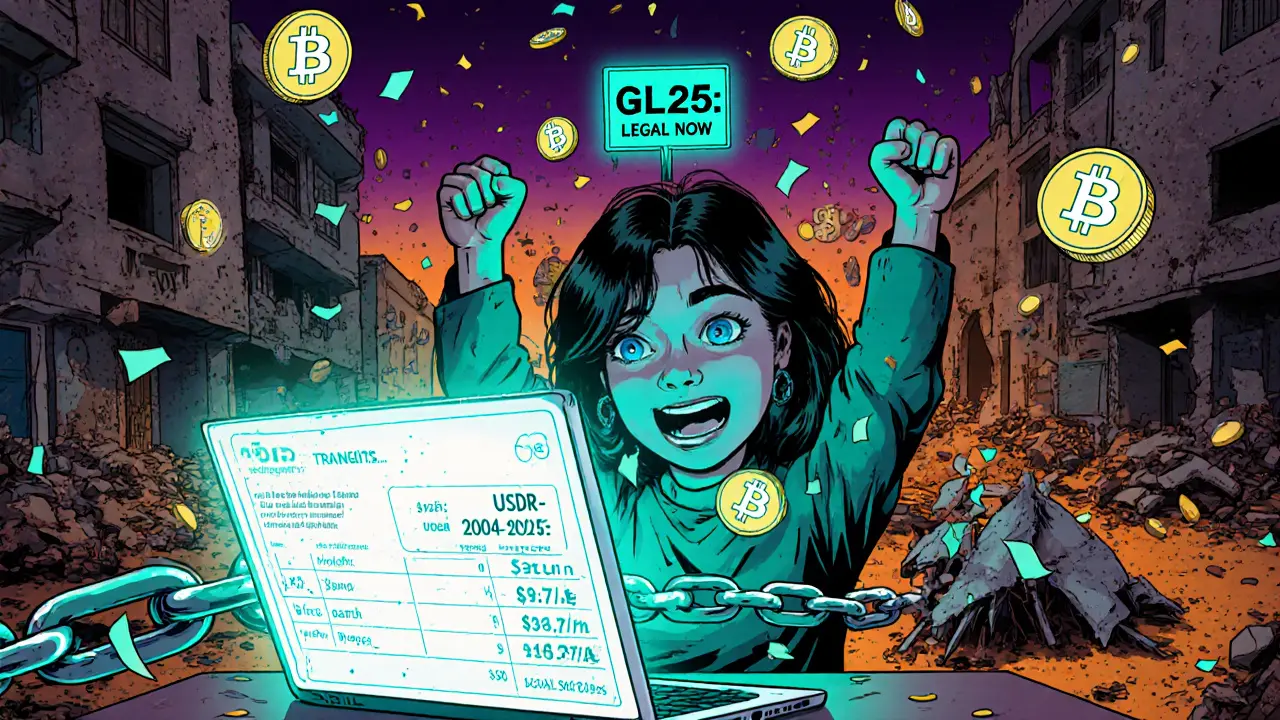
For Syrian crypto users, individuals in Syria who use cryptocurrency to store value, send money, or access global markets amid economic collapse and banking bans. Also known as crypto-reliant Syrians, they’ve turned to digital assets not as speculation, but as survival. With the Syrian pound losing over 90% of its value since 2011 and traditional banks cutting off access to foreign currency, crypto isn’t a trend—it’s a lifeline.
These users don’t trade on Binance because it’s cool. They use it because it’s one of the few ways to get USD without going through a corrupt or bankrupt local bank. Many rely on crypto VPN Syria, virtual private networks that let users bypass government internet filters and access blocked exchanges like Binance, Kraken, and Bybit. Also known as crypto bypass tools, these services are often the only bridge between Syrian wallets and global liquidity. Some trade peer-to-peer through LocalBitcoins or Paxful, paying premiums for cash-in-hand transactions. Others use Telegram groups to coordinate trades, avoiding formal platforms entirely to stay under the radar.
The Syrian government doesn’t officially ban crypto, but it doesn’t protect users either. There are no licensed exchanges, no consumer safeguards, and no legal recourse if you get scammed. That’s why Syrian crypto users are hyper-aware of scams—like fake airdrops or phishing sites pretending to be Coinbase. They’ve learned the hard way: if it looks too good to be true, it is. They track token swaps like BinaryX to FORM, a mandatory token migration that wiped out holders who didn’t act in time. Also known as token upgrade traps, these events teach one lesson: always verify official announcements through multiple channels. They follow updates on Telegram, Reddit, and Discord—not because they trust them, but because they have no other source.
What’s striking isn’t just how they use crypto—it’s why. For Syrian crypto users, it’s not about getting rich. It’s about feeding a family, paying for medicine, or sending money to relatives abroad. They don’t care about DeFi yields or NFTs. They care about stable value, fast transfers, and access. That’s why stablecoins like USDT are the most traded asset in Syria, even though they’re technically banned under local banking rules. The law doesn’t matter when your savings vanish overnight.
There’s no official data on how many Syrians use crypto, but local reports and blockchain analytics suggest hundreds of thousands are active. And their numbers are growing—not because of marketing, but because the alternative is worse. They’re not early adopters. They’re forced innovators. And in a country where the state controls everything from bread to fuel, crypto offers the last real freedom: control over your own money.
Below, you’ll find real reviews, scam warnings, and practical guides from people who’ve been there—how to set up a secure wallet, which exchanges still work, how to avoid getting hacked, and what to do when your local bank freezes your account. These aren’t theory pieces. They’re survival manuals written by Syrians, for Syrians, and anyone else trying to stay financially alive in a broken system.