Tokenized Stocks: What They Are and How They Work in Crypto
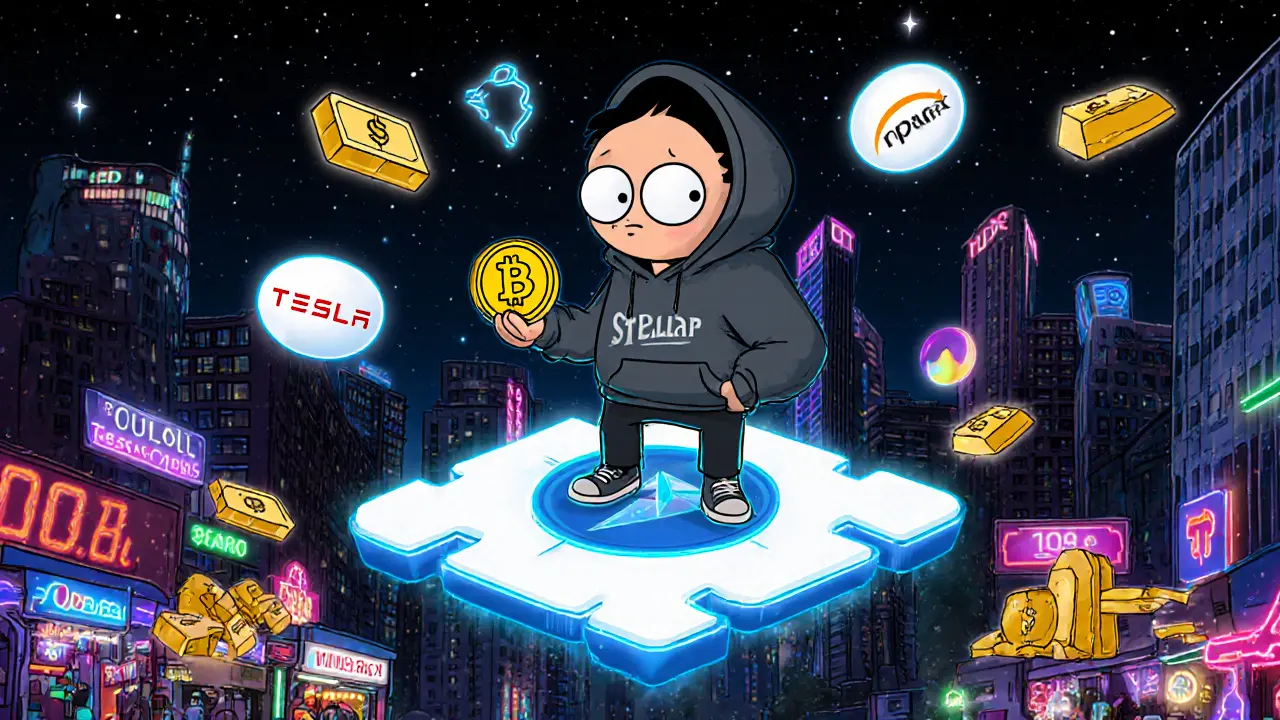
When you buy a tokenized stock, a digital representation of a share in a real-world company, issued and tracked on a blockchain. Also known as stock tokens, it lets you own a fraction of Apple, Tesla, or Amazon without using a traditional broker like Robinhood or Charles Schwab. These aren’t crypto coins like Bitcoin—they’re digital receipts tied to actual company shares, backed by real assets and regulated in some places.
Tokenized stocks work by having a custodian hold the real shares in a bank or brokerage, then issuing matching tokens on a blockchain like Ethereum or Polygon. Each token equals a fraction of one share, so you can buy $5 worth of Nvidia instead of a full $800 share. This opens up investing to people who can’t afford whole shares, and lets you trade 24/7, even when the NYSE is closed. But here’s the catch: not all platforms are legal. Some are unregulated, and if the issuer goes bust, your tokens might be worthless. You’re trusting a middleman to hold the real stock—so the platform’s reliability matters more than the blockchain tech.
Related to this are digital assets, blockchain-based representations of anything valuable, from real estate to art. Tokenized stocks are one type of digital asset, but they’re unique because they link directly to traditional finance. Unlike meme coins or DeFi tokens, they don’t rely on hype—they rely on legal frameworks. Countries like Switzerland and Singapore have clear rules for them. The U.S. is still figuring it out. That’s why some platforms, like those listed in our posts, get shut down or flagged—because they’re operating in legal gray zones. You’ll also see mentions of fractional ownership, the ability to own a small piece of an asset without buying the whole thing. This is the core idea behind tokenized stocks. It’s the same concept as buying a share of a rental property through a real estate fund—but now it’s done on a blockchain with crypto wallets instead of bank forms. And while you might think this is all new, it’s really just finance moving online. The tech is simple. The risk? That’s where things get messy.
What you’ll find below are real reviews and breakdowns of platforms and tokens that claim to offer tokenized stocks. Some are scams. Some are misunderstood. Others are legitimate but hard to use. You’ll see why a platform called Armoney isn’t real, why Nigerian traders face restrictions, and how Korean exchanges like COREDAX handle compliance. You’ll also learn how token swaps, like BinaryX to FORM, can wipe out your holdings if you’re not careful. This isn’t theory. It’s what’s happening right now—and what you need to know before you invest.