
Fractional Real Estate ROI Calculator
Calculate potential income from fractional real estate NFT investments
Enter property details and ownership percentage to see estimated returns
Estimated Returns
Annual Rental Income:
$0
Net Annual Income (After Fees):
$0
Monthly Income:
$0
Estimated ROI:
0%
Note: This is an estimate based on the inputs provided. Actual returns may vary based on market conditions, property management costs, and other factors. Always consult with a financial advisor before investing.
Imagine owning a piece of a luxury beachfront villa in Dubai for under $50,000. No need to borrow millions. No need to manage cleaners, repairs, or tenants. Just buy a digital token, and you’re part owner. This isn’t science fiction-it’s happening right now, thanks to fractional real estate NFTs.
What Exactly Are Fractional Real Estate NFTs?
A fractional real estate NFT breaks down a single property into many smaller, tradable shares. Each share is represented by a digital token on a blockchain. These tokens aren’t like Bitcoin or Ethereum, which are interchangeable. Instead, they’re built on NFT standards like ERC-721, meaning each one is unique and tied to a specific piece of real estate. Here’s how it works: A high-value property-say, a penthouse in Miami or a ski chalet in Aspen-is locked into a smart contract. That contract then issues hundreds or even thousands of smaller, fungible tokens (usually ERC-20) that each represent a percentage of ownership. If you buy 100 of those tokens out of 10,000 issued, you own 1% of the property. You don’t hold the keys to the front door, but you do hold a verifiable, digital claim to part of the asset. This process is called fractionalization. It solves a big problem: NFTs themselves are indivisible. You can’t split one NFT into smaller parts. So fractionalization creates a workaround: the original NFT stays whole, but its value is divided into many smaller, tradeable pieces.Why This Is Different From Traditional Real Estate
Buying a house the old way means writing a big check, waiting months to close, dealing with lawyers, title insurance, inspections, and then hoping the market doesn’t drop before you sell. And if you want to diversify? You need to buy multiple properties-which usually means millions in capital. Fractional NFT ownership flips that. You can start with $50,000 instead of $2 million. You can own a share in a property in Dubai, one in Lisbon, and another in Vancouver-all from your phone. And because these tokens live on a blockchain, you can sell them anytime on secondary marketplaces, often within hours, not months. Liquidity is the biggest advantage. Traditional real estate is one of the least liquid assets on earth. Fractional NFTs change that. Platforms like Hedera and others built on EVM-compatible networks let you trade your share like you’d trade a stock. Price discovery becomes faster and more transparent because trades happen in real time, with public records on the blockchain.Who’s Leading This Movement?
As of early 2025, the United Arab Emirates is the global leader in real estate tokenization. Dubai and Abu Dhabi have created clear regulatory frameworks that welcome blockchain-based property investments. Banks there now offer tokenized real estate funds. Real estate developers are launching NFT-backed projects with legal backing from government authorities. In the U.S., Mexico, Canada, and the Caribbean, demand is rising too-especially for vacation homes and luxury condos. Investors are drawn to the idea of owning a slice of a high-demand property without the hassle of being a landlord. Many platforms now offer professional property management as part of the deal. Maintenance, cleaning, rentals, and even tax filings are handled by the operator. Owners just get their scheduled access time and their share of rental income. Institutional players are catching on. Hedge funds, family offices, and even some traditional REITs are starting to allocate small portions of their portfolios to tokenized real estate. Coinbase and other major crypto platforms have added educational resources to help users understand how these investments work.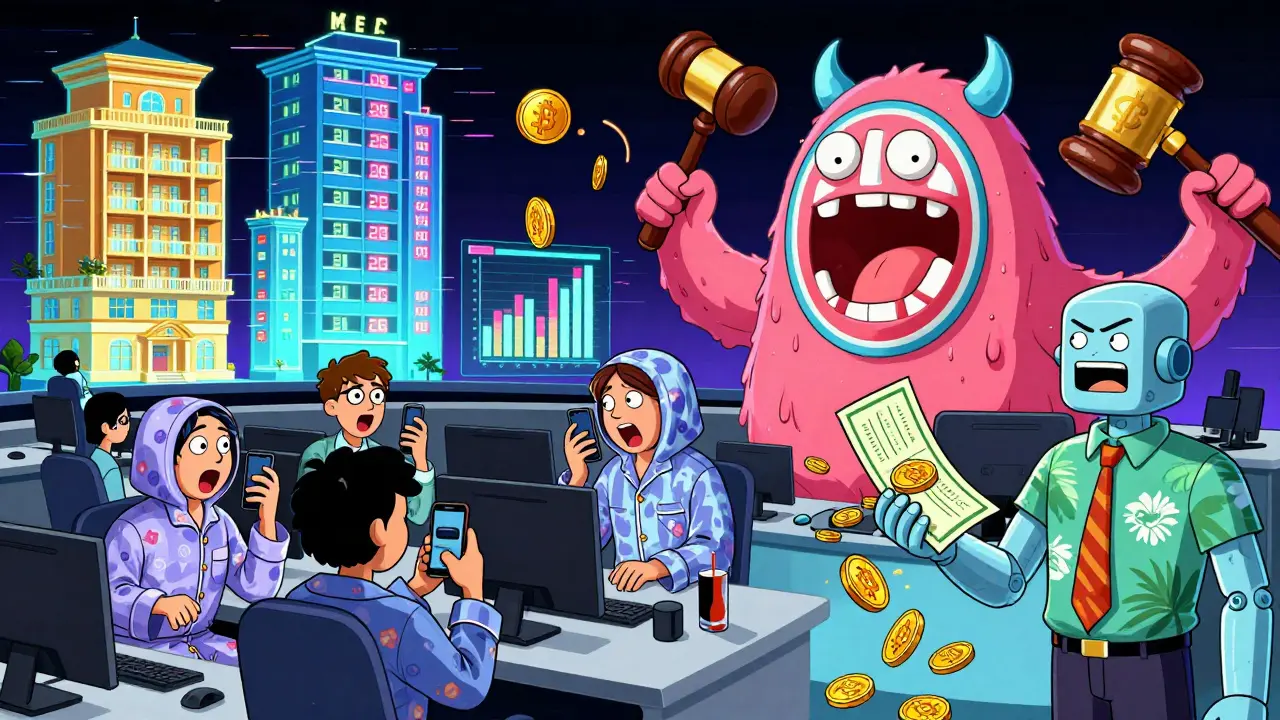
The Risks You Can’t Ignore
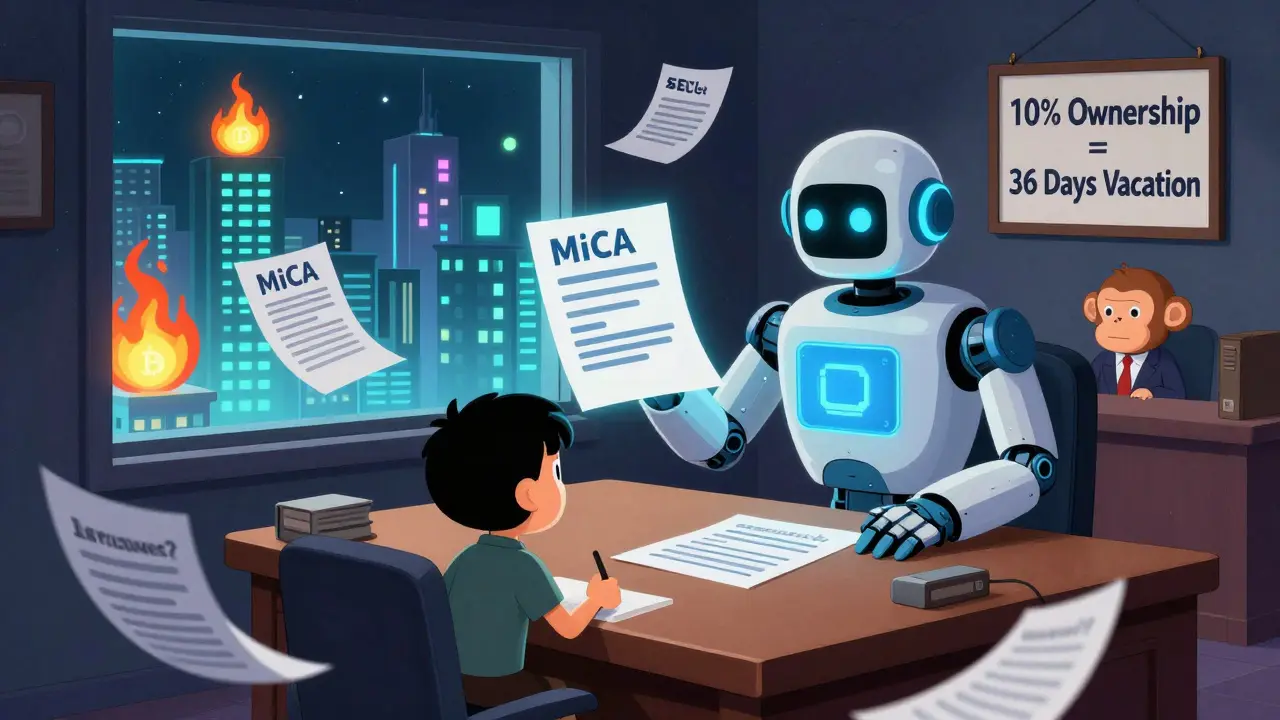
This isn’t a risk-free playground. There are real dangers. First, regulation is still patchy. In the U.S., the SEC hasn’t clearly said whether fractional real estate NFTs are securities. That uncertainty means some offerings could be shut down overnight. In Europe, MiCA regulations are starting to apply, but compliance is still evolving. You need to know where the property is legally registered and whether the token structure complies with local laws. Second, decision-making gets messy. If you own 1% of a property, do you get to vote on whether to renovate the kitchen? What if 51% of owners want to sell, but you don’t? Smart contracts can automate some rules, but human conflict still happens. Some platforms require supermajority votes for major decisions. Others let the management company decide everything. Read the fine print. Third, not all platforms are equal. Some are well-audited, use reputable legal partners, and have transparent ownership records. Others are fly-by-night operations with vague terms and no insurance. Always check: Who holds the legal title? Is the property insured? Is the smart contract audited by a third party? Fourth, selling your share isn’t always easy. Just because a marketplace exists doesn’t mean buyers are lining up. Low-demand properties or poorly marketed tokens can sit unsold for months. Liquidity is better for high-profile locations-but not guaranteed.How to Get Started (Without Getting Scammed)
If you’re serious about trying this, here’s how to begin:- Set up a crypto wallet. Use MetaMask, Coinbase Wallet, or Phantom-anything compatible with Ethereum or Hedera networks.
- Learn the platform. Don’t jump into the first listing you see. Look at platforms like RealT, Propy, or those backed by UAE-based firms. Check their whitepapers, legal disclaimers, and management agreements.
- Understand the contract. What rights do you actually get? Can you rent out your share? What fees are charged? How are repairs funded? Are there exit fees? These details matter more than the property photo.
- Do your real estate homework. Location still matters. A tokenized property in a declining neighborhood won’t gain value just because it’s on the blockchain. Check rental yields, vacancy rates, and future development plans.
- Start small. Buy one token first. Test the process. See how easy it is to receive income or sell your share. Then scale up.
What’s Next for Tokenized Real Estate?
By 2026, analysts expect the fractional real estate market to hit over $1 billion. That’s up from $624 million in 2022. Growth will come from two places: more retail investors who want diversification without big capital, and more institutions looking for new asset classes with better liquidity. We’ll likely see more integration with traditional finance. Imagine your brokerage account letting you buy a tokenized condo alongside Apple stock. Banks might start offering loans against your NFT property shares. Insurance products tailored to fractional ownership could emerge. But the biggest hurdle isn’t technology-it’s trust. People need to believe that a digital token can legally represent ownership of a physical asset. That’s why jurisdictions with clear rules, like the UAE, are winning. They’re building the legal infrastructure to back up the code.Final Thought: It’s Not About Replacing Houses-It’s About Redefining Ownership
Fractional real estate NFTs don’t mean you’ll stop buying homes. They mean you’ll have more ways to invest in them. You won’t need to be rich to own part of a luxury property. You won’t need to be a landlord to earn rental income. You won’t need to wait years to cash out. This isn’t just about blockchain. It’s about breaking down barriers. About making wealth-building more inclusive. About giving people control over their investments in ways that were impossible before. The tech works. The demand is growing. The legal frameworks are catching up. The question isn’t whether this will last-it’s whether you’ll be ready when it becomes mainstream.Can I live in a property I own a fraction of?
Yes, but only during scheduled access periods. Most platforms assign owners specific weeks or months to use the property, based on their ownership percentage. A 10% owner might get 36 days per year. These schedules are set in the smart contract and enforced automatically. You can’t just show up anytime.
Are fractional real estate NFTs considered securities?
It depends on the jurisdiction and how the offering is structured. In the U.S., the SEC may classify them as securities if they promise profits from others’ efforts-like rental income managed by a third party. In the UAE and Switzerland, regulators have clearer rules that treat them as asset-backed tokens. Always check the legal status before investing.
How are taxes handled with fractional NFT ownership?
You’re responsible for reporting income and capital gains in your country of residence. Rental income from the property is taxable. Selling your token for a profit triggers capital gains tax. Some platforms provide annual tax statements, but you’ll still need to report to your local tax authority. Consult a tax professional familiar with crypto-assets.
What happens if the property is damaged or destroyed?
The property should be fully insured, and the insurance policy is tied to the legal title holder (usually a special purpose vehicle). Your ownership token entitles you to a share of any insurance payout. Always verify that the platform carries adequate property insurance and that it covers natural disasters, fire, and liability.
Can I transfer my fractional NFT to someone else?
Yes, you can sell or gift your tokens on supported marketplaces. But the buyer must accept the same terms: usage rights, fees, management rules, and legal jurisdiction. Some platforms require KYC for buyers. Transfers are recorded on the blockchain, so ownership history is always traceable.
Do I need to know how to code to invest in fractional real estate NFTs?
No. You don’t need to write or understand smart contracts. Platforms provide user-friendly interfaces where you can buy, sell, and manage your shares like an app. But you should understand what the contract says-especially about fees, exit rules, and decision-making. You don’t need to be a coder, but you do need to read the terms.


Joe West
Been following this for a while. The UAE’s regulatory clarity is the real game-changer here. Other countries are still arguing over whether it’s real estate or a security. Dubai just made it legal and taxed it like property. Smart move.