VoltSwap: What It Is, Why It Matters, and What You Need to Know
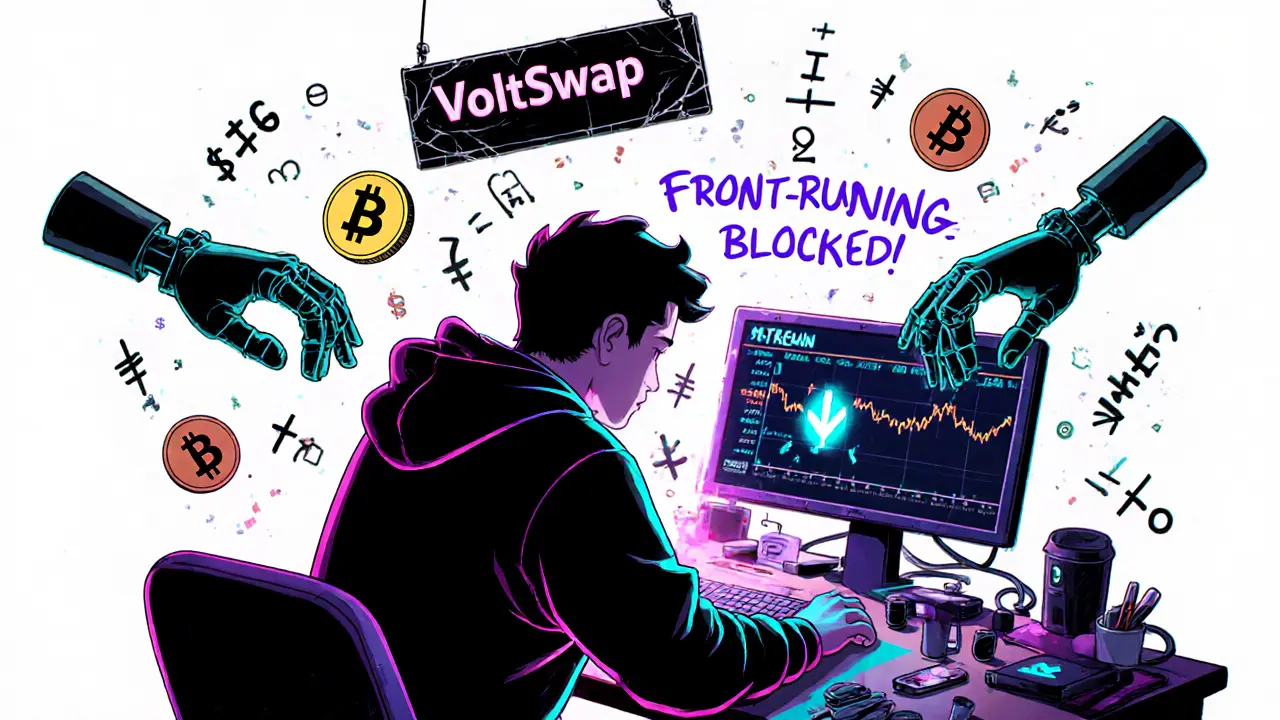
When you hear VoltSwap, a decentralized exchange built for quick, low-fee crypto swaps on blockchain networks. Also known as a DEX for high-frequency trading on Layer 2 chains, it’s one of those platforms that sounds simple but hides real complexity underneath. Unlike big centralized exchanges, VoltSwap doesn’t hold your money. You trade directly from your wallet — no KYC, no account, no middleman. That’s the whole point. But not every DEX is built the same. VoltSwap tries to stand out by focusing on speed, low gas fees, and smooth token swaps — especially on chains like BSC, Polygon, and Arbitrum.
What makes VoltSwap different isn’t just the tech — it’s the context. It shows up in posts about DeFi exchanges, platforms that let users trade crypto without a central authority that cut corners on security or liquidity. It’s often compared to Uniswap or PancakeSwap, but while those are giants with billions in volume, VoltSwap is the underdog trying to win with efficiency. It’s not for everyone. If you’re trading large amounts or need deep liquidity, you’ll hit walls. But if you’re swapping small tokens, testing new projects, or just want to avoid exchange fees, it’s worth a look. You’ll also see it linked to blockchain trading, the act of exchanging digital assets directly on public ledgers using smart contracts because that’s exactly what it enables — peer-to-peer swaps without banks, brokers, or delays.
What you won’t find in the posts below are flashy promises or hype. Instead, you’ll see real talk: how VoltSwap performs under pressure, whether its liquidity pools stay funded, what happens when token prices crash, and whether the team actually updates the platform. Some users swear by it for quick trades. Others walked away after getting stuck with illiquid tokens or slippage that wiped out their profits. The truth? It’s a tool — not a miracle. And like any tool, it works best when you know its limits. Below, you’ll find reviews, comparisons, and breakdowns from real users who’ve traded on it. Some found value. Others got burned. Either way, you’ll know what to watch for before you click ‘Swap’.
![What is BitTorrent [New] (BTT) Crypto Coin? A Clear Breakdown of How It Works and Why It Matters](/uploads/2026/02/thumbnail-what-is-bittorrent-new-btt-crypto-coin-a-clear-breakdown-of-how-it-works-and-why-it-matters.webp)