You’ve probably heard of Redbrick if you’re digging through the deep trenches of the crypto market. It’s not the next Bitcoin, and it’s definitely not a meme coin trying to go viral on TikTok for no reason. Instead, Redbrick (BRIC) is a micro-cap cryptocurrency designed to power an AI-driven Web3 gaming platform. Think of it as the fuel for a machine that lets regular people build and sell games without knowing how to code.
If you are wondering whether this token has legs or if it’s just another ghost town project, you need to look past the price chart and understand what the technology actually does. As of late September 2026, BRIC trades at fractions of a cent, with a market cap hovering around $150,000. That sounds tiny compared to giants like Ethereum, but in the world of early-stage utility tokens, size isn’t everything-it’s about adoption. Let’s break down exactly what BRIC is, how it works on BNB Chain, and whether its promise of democratizing game development holds water.
The Core Concept: AI Meets Blockchain Gaming
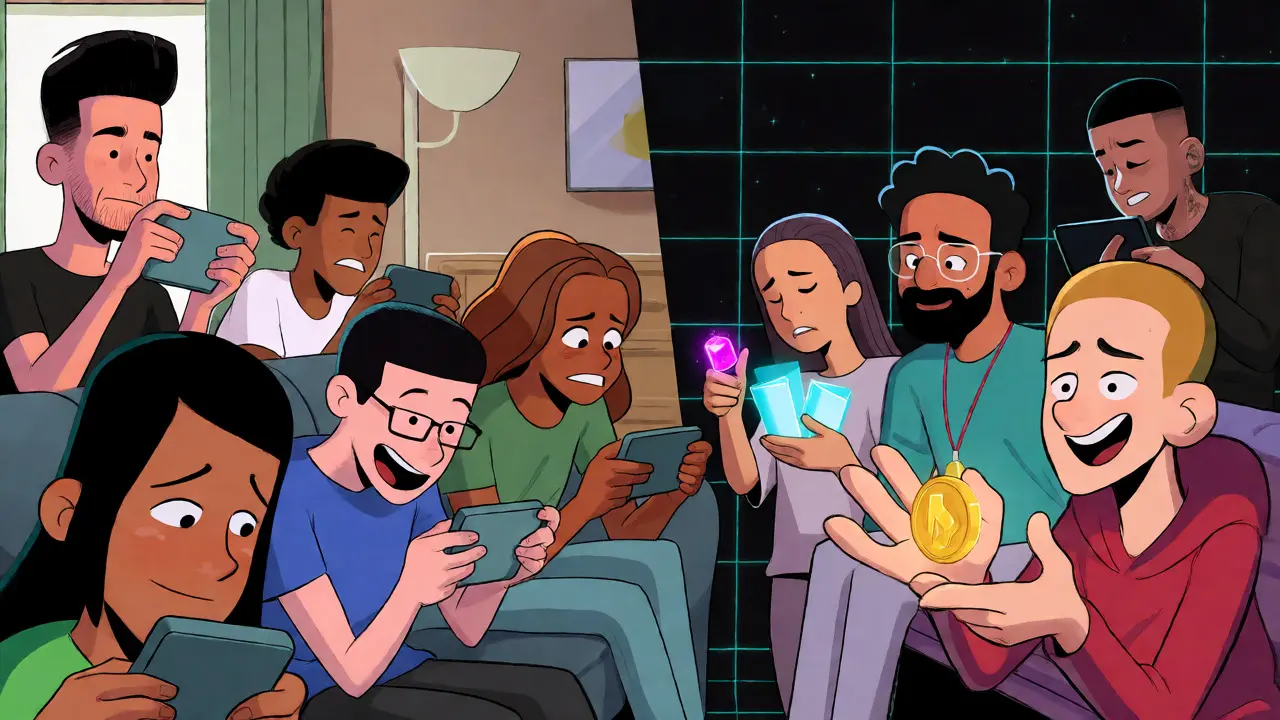
Most blockchain games fail because they are too complicated for average players and too restrictive for developers. You either have to be a skilled programmer to create assets, or you have to buy expensive NFTs just to play. Redbrick tries to fix this by using artificial intelligence to lower the barrier to entry. The platform acts as an engine where users can create, publish, and monetize casual games using AI tools.
Here is the logic: Redbrick allows non-technical creators to generate game content quickly. Once created, these games exist in both traditional web environments (Web2) and blockchain networks (Web3). This dual compatibility is crucial. It means you don’t need a crypto wallet to enjoy the game initially, but if you want to own your achievements or trade items, the blockchain layer kicks in. BRIC is the currency that makes this ecosystem tick. It pays for publishing fees, rewards players, and grants governance rights to those who help curate the best content.
Technical Specs: Running on BNB Chain
Technically speaking, BRIC is a BEP-20 token. If you’ve used Binance Smart Chain (now called BNB Chain), you know this standard. It’s similar to ERC-20 on Ethereum but generally cheaper and faster to use. This choice matters because high gas fees kill small gaming economies. If every transaction costs $5, nobody plays.
The token launched via a Token Generation Event (TGE) on June 13, 2025. Its contract address is fixed at 0xb40f2e5291c3Db45AbB0Ca8DF76F1C21E9f112a9. Always double-check this address when adding the token to your wallet. Because it runs on BNB Chain, BRIC integrates seamlessly with popular wallets like MetaMask and Trust Wallet, as well as decentralized exchanges like PancakeSwap. This accessibility helps new users onboard without needing specialized software.
Tokenomics: Scarcity and Supply Structure
Let’s talk numbers, because that’s where many projects hide their flaws. Redbrick has a hard-capped maximum supply of exactly 1,000,000,000 (one billion) BRIC. No more tokens will ever be minted. This design choice aims to prevent inflation from diluting value over time. However, scarcity only matters if demand exists.
As of mid-2026, the circulating supply sits around 235 million to 240 million BRIC. This means roughly 23-24% of the total supply is currently active in the market. The rest is locked up for team members, early investors, and community incentives. Early investors received 6.3% of the total supply, which equals 63 million tokens. These allocations usually come with vesting schedules-meaning the tokens unlock gradually over months or years. For example, some early adopter rewards unlocked linearly over ten months post-launch. This structure prevents a mass sell-off immediately after listing, which often crashes micro-cap coins.
| Metric | Value / Detail |
|---|---|
| Network | BNB Chain (BEP-20) |
| Max Supply | 1,000,000,000 BRIC |
| Circulating Supply | ~240 Million BRIC |
| Launch Date | June 13, 2025 |
| Primary Use Case | AI Game Creation & Monetization |
Utility: What Can You Actually Do With BRIC?
Holding a coin is useless if it doesn’t do anything. In the Redbrick ecosystem, BRIC serves several specific roles:
- Creator Monetization: Developers earn BRIC when users interact with their games.
- Player Rewards: Gamers earn BRIC for completing tasks or achieving milestones.
- Governance: Holders can vote on platform updates and feature priorities.
- Fees: Publishing a game or accessing premium AI tools requires paying fees in BRIC.
- Interoperability: It bridges the gap between free-to-play web games and blockchain-based asset ownership.
This multi-role approach attempts to create a circular economy. Creators need BRIC to launch; players earn BRIC by playing; players spend BRIC to unlock content. If the loop keeps spinning, the token gains intrinsic value beyond speculation.
Market Performance and Volatility Risks
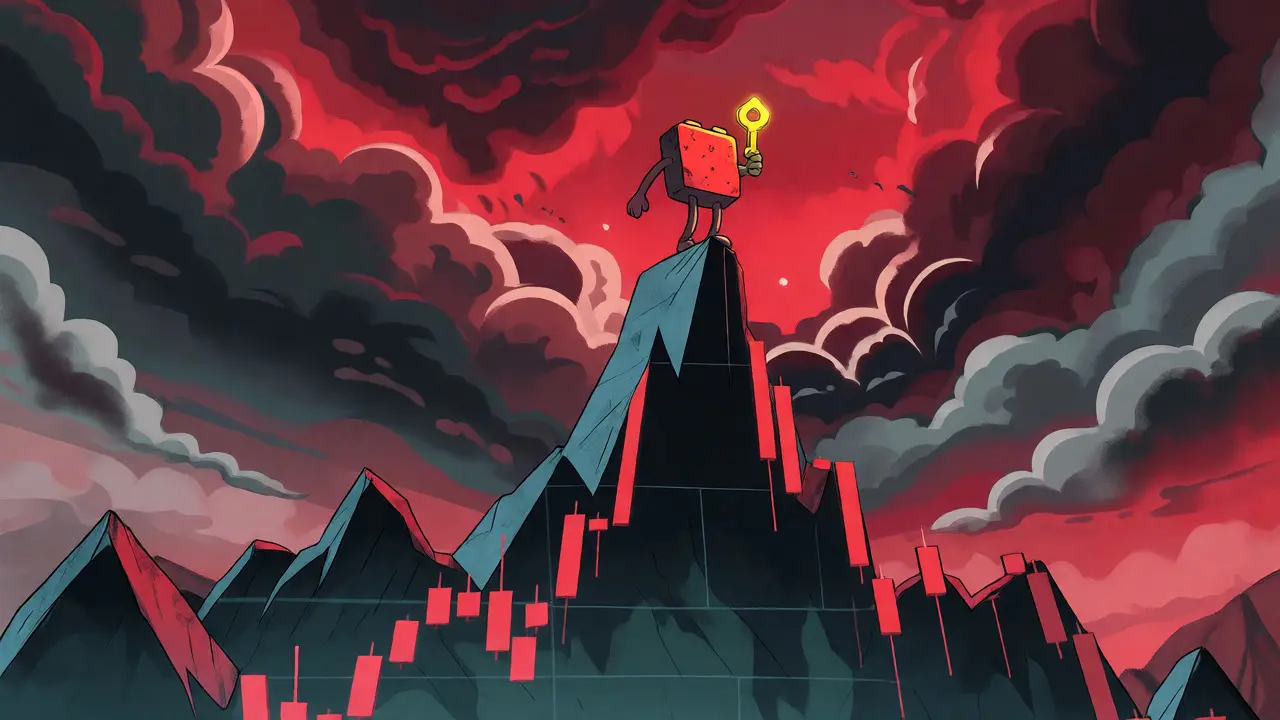
Don’t expect stable returns here. BRIC is a micro-cap asset, meaning it is highly volatile. Price trackers show significant swings. For instance, in July 2026, the price jumped over 40% in a single day on some platforms due to low trading volume. A small buy order can spike the price, while a small sell order can crash it.
Historical data shows the token started higher shortly after its June 2025 launch, trading near $0.01 USD, before settling into the sub-cent range ($0.0006 USD) by mid-2026. This drop reflects the typical cooling-off period for new tokens after initial hype fades. Current daily trading volumes are modest, often ranging between $7,000 and $70,000 across major aggregators. Low liquidity means you might face slippage if you try to move large amounts of money in or out quickly.
Community and Adoption Status
Is anyone actually using Redbrick? Public data suggests interest is growing but remains niche. The project maintains listings on major trackers like CoinGecko and CoinMarketCap, with localized pages in Korean and Indonesian indicating marketing efforts in Asia. However, concrete user metrics-like the exact number of active daily gamers-are scarce in public reports.
The absence of widespread institutional coverage means most analysis comes from crypto data providers rather than traditional financial analysts. This lack of heavy scrutiny can be good (less manipulation) or bad (less validation). Currently, the narrative relies heavily on the promise of AI-assisted creation. If the AI tools deliver on their claim of making game dev accessible, adoption could follow. If they feel gimmicky, the token may struggle to find sustained demand.
How to Buy and Store BRIC
If you decide to invest, you’ll need a compatible wallet. Since BRIC is a BEP-20 token, MetaMask or Trust Wallet are your best bets. Ensure your wallet is connected to the BNB Smart Chain network.
To purchase, look for BRIC on centralized exchanges (CEXs) that list smaller caps, or use decentralized exchanges like PancakeSwap. On DEXs, you typically swap BNB or USDT for BRIC. Remember to save the contract address mentioned earlier to verify you’re buying the real token and not a fake clone.
Frequently Asked Questions
Is Redbrick (BRIC) a good investment?
It depends on your risk tolerance. BRIC is a high-risk, high-reward micro-cap token. While its AI gaming concept is promising, the low market cap and volatility mean prices can swing wildly. It is suitable for speculative portfolios, not conservative savings.
Which blockchain does BRIC use?
BRIC operates on the BNB Chain as a BEP-20 token. This ensures compatibility with most major crypto wallets and offers lower transaction fees compared to Ethereum-based tokens.
Can I mine BRIC?
No, you cannot mine BRIC in the traditional sense. It is a pre-mined token with a fixed supply. Users acquire it by purchasing it on exchanges or earning it through gameplay and creator activities within the Redbrick platform.
What is the maximum supply of BRIC?
The maximum supply is capped at 1,000,000,000 (one billion) BRIC. No additional tokens can be minted, which helps control inflation within the ecosystem.
Where can I store my BRIC tokens?
You can store BRIC in any wallet that supports BEP-20 tokens, such as MetaMask, Trust Wallet, or Binance Wallet. Always add the custom token contract address manually if it doesn't appear automatically.