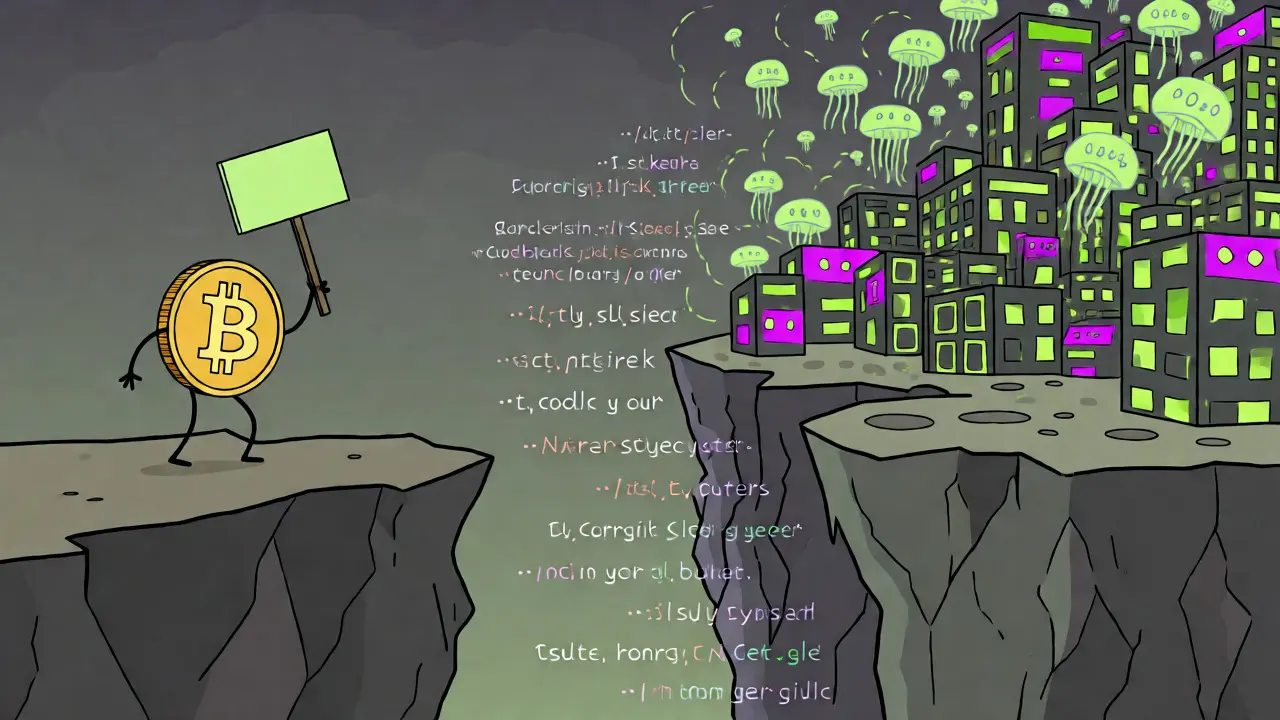
You hold Bitcoin. You want to earn yield on Ethereum. But you don't want to sell your BTC and take on tax events or market risk. This is where wrapped assets come in. They act as a bridge, letting you use your native coins on different blockchains without actually moving them. It sounds like magic, but it’s just clever token engineering.
If you’ve ever tried to move value between chains, you know the pain. Bridges can be slow, risky, and confusing. Wrapped assets simplify this by creating a representative token on the target chain. Think of it like a casino chip: the chip isn’t cash, but it has the same value and works at the table. Once you understand how these tokens work, you’ll see why they are foundational to modern decentralized finance (DeFi).
The Core Problem: Blockchain Incompatibility
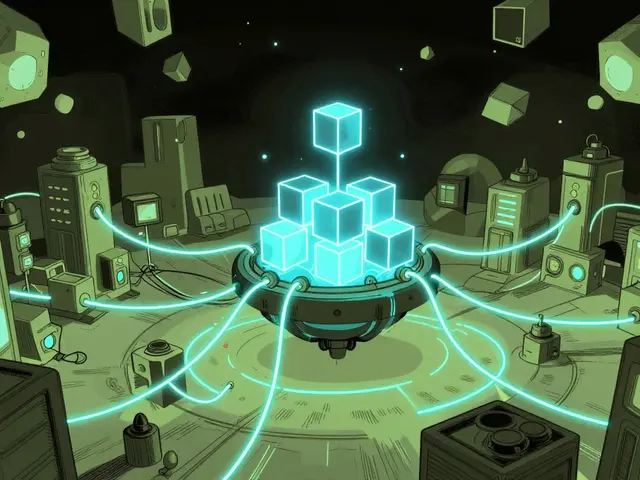
Blockchains are silos. Bitcoin doesn’t speak Ethereum. Solana doesn’t natively talk to Polygon. Each network has its own rules, consensus mechanisms, and smart contract languages. This isolation creates friction. If you want to use your Bitcoin in an Ethereum-based lending protocol like Aave, you can’t just send it there. The network won’t recognize it.
Wrapped assets solve this by tokenizing one cryptocurrency so it can function on another blockchain. For example, Wrapped Bitcoin (WBTC) is an ERC-20 token on Ethereum that represents Bitcoin held in custody. Every WBTC is backed 1:1 by real BTC locked in a vault. This mechanism allows users to access Ethereum’s rich DeFi ecosystem while maintaining exposure to Bitcoin’s price action.
This isn’t just about convenience. It’s about unlocking utility. Native assets often sit idle because their home chain lacks advanced financial applications. Wrapping them injects life into dormant capital.
How Wrapped Tokens Actually Work
The process involves three main players: the user, the custodian, and the minting/burning mechanism. Here’s the step-by-step flow:
- Deposit: You send native BTC to a trusted custodian’s address.
- Minting: The custodian verifies the deposit and mints an equivalent amount of WBTC on Ethereum.
- Usage: You use WBTC in DeFi protocols-lending, borrowing, or providing liquidity.
- Burning: When you want your BTC back, you send WBTC to the custodian, who burns it and releases your original BTC.
The key here is the custodian. They hold the underlying asset. In early models, this was a centralized entity. Today, many projects use decentralized custodians or multi-sig wallets to reduce trust assumptions. Always check who holds the keys. If the custodian gets hacked, the peg might break.
| Attribute | Native Asset (e.g., BTC) | Wrapped Asset (e.g., WBTC) |
|---|---|---|
| Blockchain | Bitcoin Network | Ethereum Network |
| Smart Contract Support | Limited (Script only) | Full (Solidity/Vyper) |
| Transaction Speed | ~10 minutes per block | ~15 seconds per block |
| DeFi Integration | Low | High |
| Backing Mechanism | N/A | 1:1 Custodial Lock |
Unlocking Liquidity and Yield Opportunities
Why wrap your assets? Money loves efficiency. Native Bitcoin generates no yield unless you lend it out via complex third-party services. Wrapped Bitcoin, however, fits perfectly into Ethereum’s automated market makers (AMMs) like Uniswap.
By providing WBTC liquidity, you earn trading fees. You can also supply WBTC to lending platforms like Aave or Compound to earn interest. This turns a static store of value into a productive asset. The opportunity cost of holding raw BTC becomes obvious when you see the yields available on wrapped versions.
Moreover, wrapped assets improve market depth. When more WBTC exists on Ethereum, the liquidity pools for ETH/WBTC pairs become deeper. This reduces slippage for traders. Better liquidity attracts more volume, which in turn drives up the demand for the underlying asset. It’s a positive feedback loop.
Cross-Chain Interoperability Without the Headache
Traditional bridges require you to lock funds on Chain A and mint them on Chain B. While similar, wrapped assets are often pre-minted and widely distributed. This means you don’t always need to go through the wrapping process yourself. You can simply buy WBTC on a decentralized exchange if you already have ETH.
This accessibility lowers the barrier to entry. New users don’t need to understand Bitcoin’s UTXO model to participate in DeFi. They just interact with standard ERC-20 tokens. For developers, building dApps is easier because they only need to support one token standard (like ERC-20) rather than handling multiple native formats.
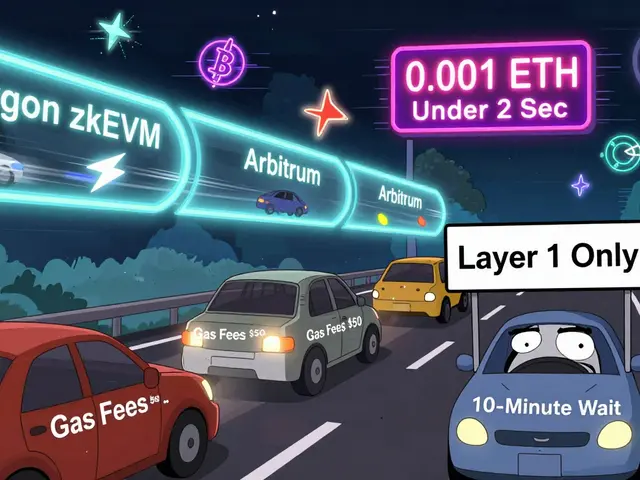
Consider the user experience. Swapping ETH for WBTC takes seconds on Uniswap. Bridging actual BTC to Ethereum can take hours and involve multiple confirmations. Wrapped assets abstract away the complexity of cross-chain communication, making DeFi feel seamless.
Risks You Can’t Ignore
It’s not all upside. Centralization is the elephant in the room. If a single custodian controls the majority of WBTC, they pose a systemic risk. Regulatory crackdowns could freeze those assets. Also, smart contract bugs in the wrapper contract itself can lead to losses.
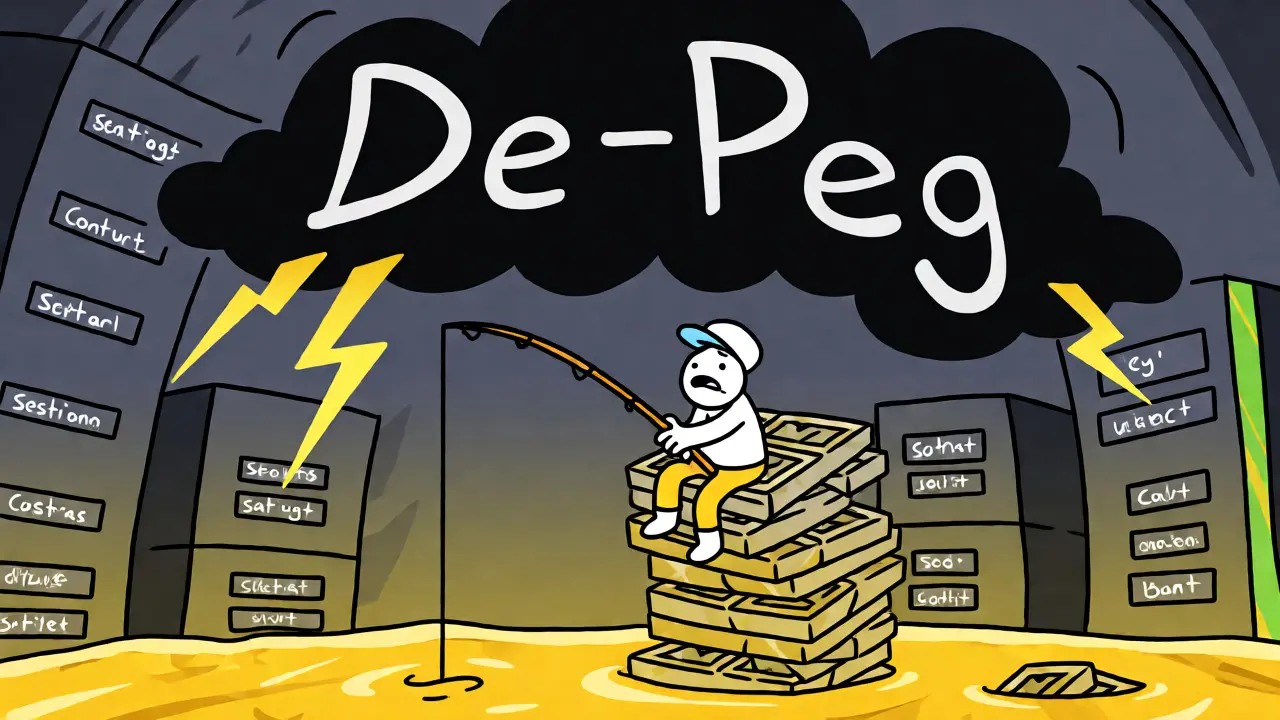
Another risk is the "de-peg." If confidence in the backing drops, the wrapped token might trade below the price of the native asset. During high volatility, arbitrageurs usually fix this, but it requires active participation. Always monitor the premium or discount of wrapped tokens relative to their native counterparts.
Finally, remember that you’re adding layers of dependency. Your BTC is now dependent on Ethereum’s uptime, the custodian’s solvency, and the wrapper contract’s security. More dependencies mean more points of failure.
Real-World Use Cases Beyond Lending
While lending is popular, wrapped assets shine in other areas too. In NFT markets, people wrap rare items to make them compatible with different marketplaces. A CryptoPunk originally on Ethereum can be wrapped to appear on other chains, expanding its audience.
Gaming is another frontier. Players can wrap valuable in-game items to trade them across ecosystems. Imagine using a sword from Game A as collateral in Game B’s economy. Wrapped assets facilitate this fluid movement of digital property.
Merchants are starting to accept wrapped tokens too. Since they are standard tokens on major chains, payment processors can handle them easily. This expands the utility of assets beyond speculation and investment.
What happens if the custodian loses the underlying assets?
If the custodian loses the underlying assets (e.g., due to theft or insolvency), the wrapped token may lose its 1:1 backing. This causes the price of the wrapped token to drop significantly compared to the native asset. Decentralized custodians and regular audits help mitigate this risk, but it remains a central point of concern for many investors.
Is it cheaper to wrap or swap?
It depends on gas fees and the size of your transaction. Wrapping involves two transactions (deposit and mint), which can be expensive during network congestion. Buying the wrapped token directly on a DEX might be faster and cheaper if liquidity is high. Always compare the total cost including slippage and gas before deciding.
Can I unwrap my tokens anytime?
Yes, generally. However, some wrapped assets have minimum redemption amounts or time locks. Additionally, if the custodian is experiencing operational issues, redemptions might be paused temporarily. Check the specific terms of the wrapped asset project you are using.
Are wrapped assets safe?
Safety varies by project. Established wrapped assets like WBTC have undergone multiple smart contract audits and have transparent reserve proofs. Newer or less reputable wrappers might carry higher risks of hacks or rug pulls. Always research the custodian and audit history before investing significant capital.
Do wrapped assets count as separate holdings for taxes?
Tax laws vary by jurisdiction. In many places, wrapping and unwrapping are considered taxable events if there is a change in basis or if the transaction is viewed as a disposal. Consult a tax professional familiar with crypto regulations in your country to ensure compliance.
Next Steps for DeFi Users
If you’re ready to try wrapped assets, start small. Pick a well-known asset like WBTC or WETH (Wrapped Ether). Use a reputable wallet like MetaMask. Connect to a major DEX like Uniswap. Swap a small amount of ETH for WBTC. Then, try supplying it to a lending protocol. Watch how the interest accrues. This hands-on experience will teach you more than any article.
Keep an eye on emerging trends. Trustless wrappers are gaining traction, reducing reliance on centralized custodians. Cross-chain messaging protocols are also evolving, potentially making traditional wrapping obsolete in favor of direct interoperability. Stay curious and keep testing new tools.