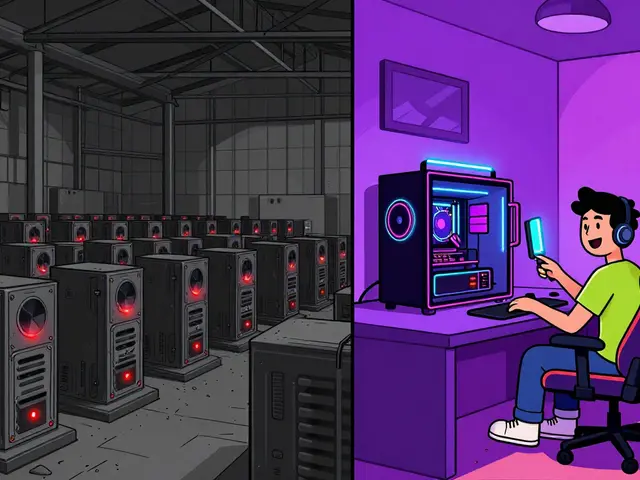
You’ve probably heard the pitch before: a new crypto exchange promises lower fees, higher leverage, and fewer headaches than the big names like Binance or Coinbase. But when you actually sign up, do they deliver? BiFinance is one of those platforms that has been quietly building a reputation since its launch in January 2022. Based in the Cayman Islands, it positions itself as an institutional-grade platform bridging virtual and real-world assets. But does it hold up for the average trader in 2026?
I spent some time digging into BiFinance’s infrastructure, fee structures, and user feedback to see if it’s worth your capital. If you’re tired of mandatory KYC hoops or looking for specific high-leverage futures contracts without the regulatory red tape of US-based exchanges, this review breaks down exactly what you need to know.
What Is BiFinance and Who Is It For?
BiFinance is a global cryptocurrency exchange offering spot trading, perpetual futures, and emerging real-world asset (RWA) products. Unlike many competitors that started purely as retail playgrounds, BiFinance leverages traditional financial and investment banking experience to build a more robust trading environment. The platform supports over 150 cryptocurrencies, including heavy hitters like Bitcoin (BTC), Ethereum (ETH), and Solana (SOL), along with a growing list of altcoins.
The core appeal here isn’t just the coin selection-it’s the accessibility. BiFinance doesn’t require mandatory Know Your Customer (KYC) verification for basic account creation. This is a massive draw for privacy-focused traders who want to start trading immediately without uploading passport scans and utility bills. However, keep in mind that while you can trade without KYC, withdrawal limits may apply depending on your activity level.
It’s crucial to note who can’t use BiFinance. Due to regulatory restrictions, users in the USA, Canada, Mainland China, Japan, Singapore, and several other jurisdictions are blocked from accessing the platform. If you’re in Boulder or anywhere else in the States, you’ll need to look elsewhere unless you’re using offshore entities, which comes with its own tax complexities.
Fees and VIP Tiers: Do You Actually Save Money?
Let’s talk numbers, because fees eat into profits faster than market crashes. BiFinance uses an eight-tier VIP system (L1 through L8) based on your holdings of their native token, BFT (BiFinance Token), and your trading volume.
For spot trading, the base maker fee starts at 0.20% and taker fees at 0.08%. That’s standard for mid-tier exchanges. But if you climb the ladder to the highest VIP level (L8), maker fees drop to 0.00% and taker fees to 0.04%. This zero-maker-fee structure is attractive for high-frequency traders and market makers who provide liquidity.
Futures trading follows a similar tiered model. Base maker and taker fees sit at 0.08%, dropping to 0.04% maker and 0.06% taker at the top tiers. While these rates aren’t always lower than Binance or Bybit, the lack of mandatory KYC combined with competitive fees makes it a viable alternative for international traders.
| VIP Level | Spot Maker Fee | Spot Taker Fee | Futures Maker Fee | Futures Taker Fee |
|---|---|---|---|---|
| L1 (Base) | 0.20% | 0.08% | 0.08% | 0.08% |
| L8 (Top Tier) | 0.00% | 0.04% | 0.04% | 0.06% |
To reach higher tiers, you typically need significant monthly net deposits ranging from $1,000 to $100,000. So, unless you’re moving serious volume, you might stay stuck in the lower fee brackets.
Trading Features: Leverage, Copy Trading, and RWA
BiFinance offers up to 1:125 leverage on perpetual futures contracts. This is standard for aggressive derivatives platforms, allowing you to control large positions with relatively small capital. The contracts have no expiration dates, meaning you can hold positions indefinitely as long as you maintain sufficient margin. Just be careful-high leverage cuts both ways, and liquidation prices are unforgiving.
One standout feature is the integration of TradingView charts directly into the interface. You don’t need to switch tabs to analyze technical indicators; everything happens in one place. For beginners, this reduces friction. For pros, it means faster execution times.
They also offer copy trading, though it’s currently invitation-only. This feature lets less experienced users automatically mirror the trades of successful traders on the platform. While not available to everyone yet, it signals BiFinance’s intent to cater to social trading trends.
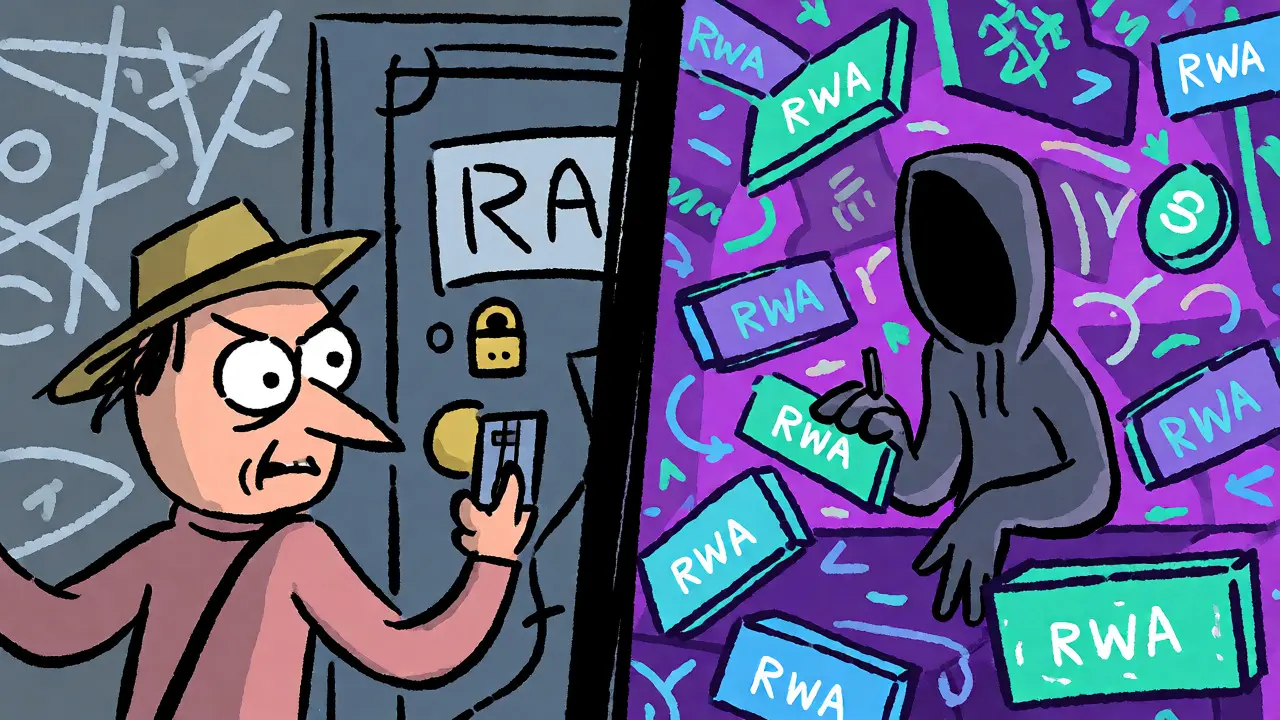
A unique angle is their focus on Real-World Assets (RWA). BiFinance aims to bridge digital and physical markets by allowing trading of tokenized commodities and assets via smart contracts. While still in early stages compared to giants like Chainlink or specialized RWA protocols, this roadmap suggests they’re betting on the next wave of blockchain adoption beyond pure speculation.
Security and Custody: Can You Trust Them?
Security is where most new exchanges stumble. BiFinance claims to use AES-256 encryption, two-factor authentication (2FA), and cold wallet storage for the majority of user funds. Cold storage keeps your coins offline, away from hot wallets vulnerable to online hacks. They also employ multi-signature authorization for withdrawals, requiring multiple approvals before funds leave the platform.
There’s an emergency asset insurance fund designed to cover losses from unforeseen security breaches. While no exchange is immune to risk, having a dedicated fund adds a layer of reassurance. Third-party audits are conducted regularly, though transparency reports could be more detailed for public scrutiny.
User reviews on Traders Union describe BiFinance as having "the highest level of reliability," but let’s balance that with reality. The Trustpilot rating hovers around 3.2 out of 5 stars. Why the discrepancy? Mostly due to the limited number of public reviews and complaints about customer support response times during peak volatility. Always test the support team with a small query before depositing large sums.
Deposits, Withdrawals, and Fiat Limitations
Here’s the biggest hurdle for many potential users: BiFinance does not support fiat currency deposits or withdrawals. You cannot wire money from your bank or use a credit card to buy crypto directly on the platform. You must already hold cryptocurrency to fund your account.
Supported networks for deposits include Bitcoin (BTC), Ethereum (ETH), Tether (USDT), USD Coin (USDC), and others across chains like TRX, BSC, SOL, and Arbitrum. Minimum deposits are low, starting at $5 equivalent, which is great for testing the waters. Withdrawals are processed quickly, often within minutes, depending on network congestion.
If you’re coming from a fiat-heavy background, you’ll need to buy crypto elsewhere (like Coinbase or Kraken) and then transfer it to BiFinance. This adds a step and potentially extra transaction fees, but it’s a common trade-off for non-KYC exchanges.
Pros and Cons Summary
- Pros:
- No mandatory KYC for basic trading.
- High leverage options (up to 1:125).
- Competitive fee tiers for high-volume traders.
- Strong security measures including cold storage and insurance funds.
- Integrated TradingView charts and mobile apps for iOS/Android.
- Cons:
- No fiat on-ramps (bank transfers/credit cards).
- Not available in the USA, Canada, or several other major countries.
- Limited public track record compared to established exchanges.
- Copy trading is invitation-only.
- Mixed user reviews regarding customer support speed.
Final Verdict: Should You Trade on BiFinance?
BiFinance isn’t trying to replace Coinbase for your first Bitcoin purchase. It’s better suited for intermediate to advanced traders who understand how to move crypto between exchanges and value privacy or high leverage. If you’re outside restricted regions and comfortable managing your own private keys or transferring funds from another platform, BiFinance offers a solid, secure environment with reasonable fees.
However, if you’re a beginner in the US wanting to buy ETH with a debit card, BiFinance won’t work for you. And if you rely heavily on P2P trading or automated bots, you’ll find the feature set lacking. For now, treat BiFinance as a secondary exchange for specific strategies-like high-leverage futures or holding altcoins-rather than your primary banking hub.
Is BiFinance safe to use?
BiFinance employs industry-standard security measures including AES-256 encryption, 2FA, and cold wallet storage for most assets. They also maintain an emergency insurance fund. However, as a newer exchange compared to giants like Binance, it carries slightly higher inherent risk. Users should enable 2FA and consider keeping only active trading funds on the platform.
Does BiFinance require KYC verification?
No, mandatory KYC is not required for creating an account or basic trading. However, higher withdrawal limits or access to certain features may eventually require identity verification. This makes it attractive for privacy-conscious traders.
Can I use BiFinance in the United States?
No, BiFinance restricts access for residents of the United States, Canada, Mainland China, Japan, Singapore, and several other countries due to regulatory compliance reasons. US users must choose other compliant exchanges.
What are the withdrawal fees on BiFinance?
Withdrawal fees vary by cryptocurrency and network congestion. BiFinance charges standard blockchain network fees for transactions. There are no additional platform-specific withdrawal fees for most major assets, but always check the current rate table before initiating a transfer.
Does BiFinance support fiat currency deposits?
No, BiFinance does not support direct fiat deposits via bank transfer, credit card, or PayPal. Users must deposit existing cryptocurrencies such as BTC, ETH, USDT, or USDC to fund their accounts.