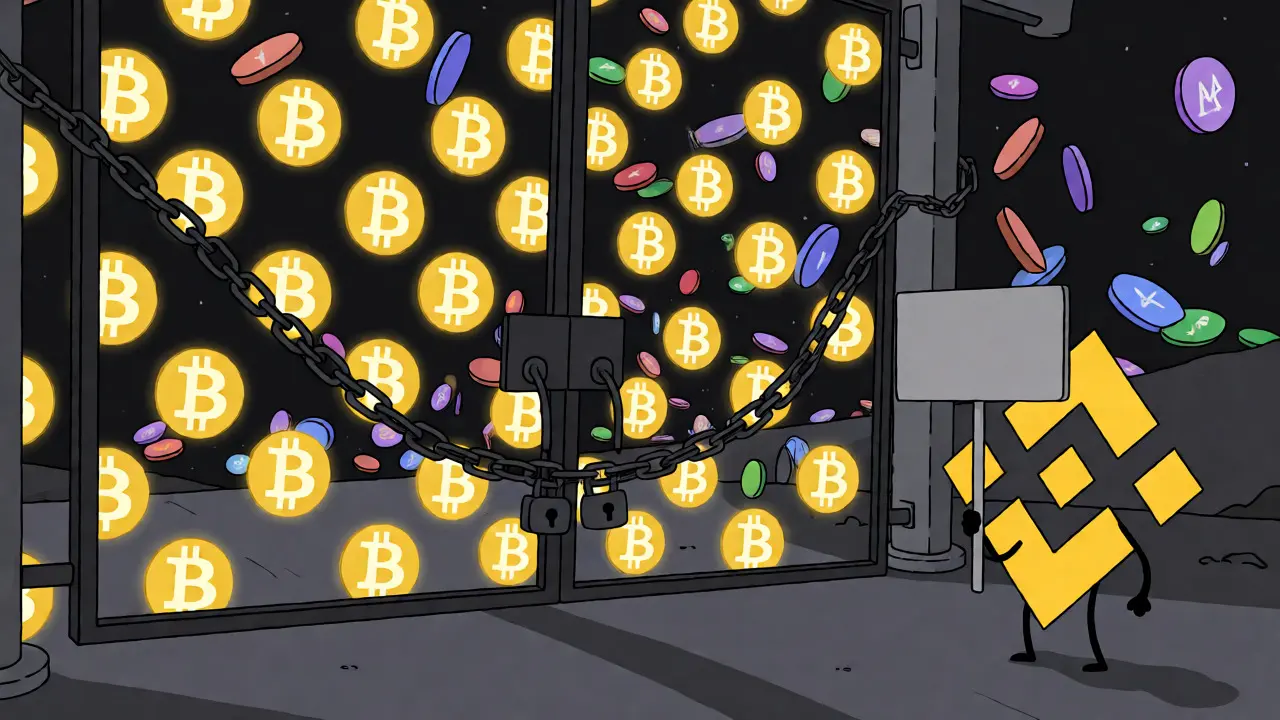
So, you want to trade crypto in the UK, and Binance is on your radar. It’s the biggest name in the game globally, handling over 60% of all crypto trading volume. But here’s the catch: if you’re new to the platform or just checking if it’s still a good fit for British investors, things are complicated. As of late 2023, Binance suspended new user sign-ups in the UK because its local promotions partner lost its Financial Conduct Authority (FCA) approval. This means while existing users can still log in and trade, newbies might find the doors firmly shut.
This review breaks down exactly where Binance stands in the UK market today. We’ll look at whether it’s worth the hassle if you already have an account, how its fees stack up against regulated competitors like Kraken and Coinbase, and why the lack of FCA registration matters more than you might think. If you’re looking for a straightforward answer: Binance offers unbeatable liquidity and low fees, but it comes with regulatory risks that many UK traders are now choosing to avoid.
The Regulatory Reality Check
Let’s address the elephant in the room immediately. Binance is not FCA-registered as a cryptoasset firm in the UK. This isn’t a minor bureaucratic detail; it’s a major factor in how safe and stable your experience will be. The FCA requires firms dealing with crypto assets to register to ensure they meet strict standards for anti-money laundering (AML) and consumer protection. Because Binance operates through various regional entities without a consistent global headquarters, its regulatory status is often described as a "patchwork."
In October 2023, the situation tightened when Binance’s UK marketing partner failed to maintain its FCA authorization. Consequently, Binance paused onboarding new UK customers. For existing users, this hasn’t meant a total freeze-you can still access spot trading and withdraw funds-but you won’t see the full suite of features available to users in other jurisdictions. You cannot use derivatives, futures, margin trading, or leverage. These products are strictly off-limits due to FCA restrictions on retail clients, regardless of Binance’s global capabilities.
Why does this matter? When you trade on an unregistered exchange, you don’t have the same safety nets. Your funds aren’t protected by the Financial Services Compensation Scheme (FSCS), which covers deposits up to £85,000 in traditional banks. While Binance claims to keep about 95% of user funds in cold storage and mandates two-factor authentication (2FA), the legal recourse if something goes wrong is murkier compared to using a fully regulated entity like Coinbase or Kraken.
Fees and Trading Costs
If you ignore the regulatory noise, Binance’s primary selling point remains its cost structure. For high-volume traders, these savings can add up quickly. The standard maker-taker fee starts at 0.1% for both makers and takers. However, if you hold Binance Coin (BNB), you get a 25% discount, bringing the effective rate down to 0.075%. Compare this to Coinbase, which often charges significantly higher spreads and fees for similar transactions, especially on their basic interface.
But there’s a nuance for UK users. Since you’re restricted to spot trading, you can’t take advantage of the advanced fee tiers that come from high-frequency derivative trading. Also, withdrawal fees vary wildly by cryptocurrency. Users have reported frustrations with specific coins-for example, withdrawing Dogecoin has been noted to incur disproportionate fees relative to small transaction amounts. Always check the current withdrawal fee schedule before moving assets, as these rates change based on network congestion.
| Feature | Binance UK | Kraken UK | Coinbase UK |
|---|---|---|---|
| FCA Registration | No (Limited Service) | Yes | Yes |
| New User Onboarding | Suspended | Open | Open |
| Trading Products | Spot Only | Spot, Margin, Futures* | Spot, Advanced Trade |
| Base Trading Fee | 0.10% (0.075% with BNB) | 0.16% - 0.26% | 0.40% - 0.60% |
| Asset Variety | High (Global List) | High (490+ Assets) | Moderate (Curated List) |
| Best For | Existing Users / Low Fees | Compliance + Features | Beginners / Trust |
User Experience and Platform Complexity
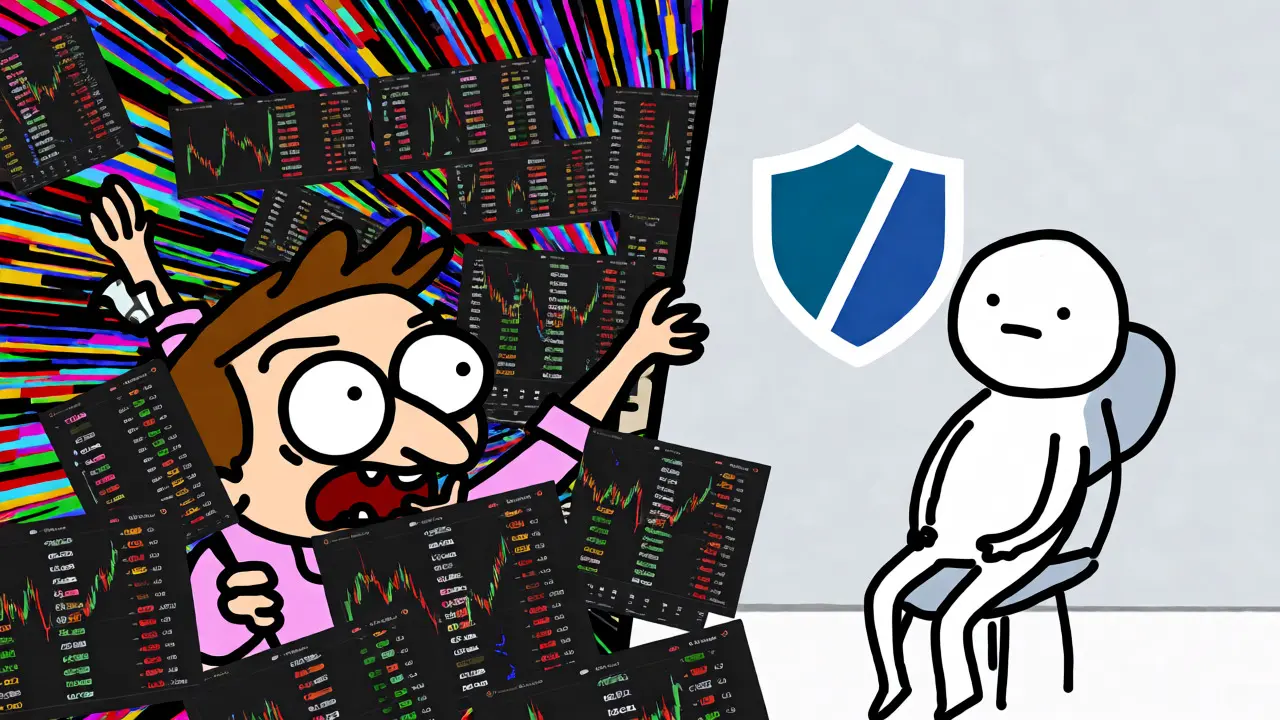
Binance’s interface is powerful, but it’s not exactly beginner-friendly. If you’ve never traded crypto before, opening the app might feel like walking into a cockpit during turbulence. There are dozens of buttons, charts, order types, and tools. Even experienced traders admit it takes time to navigate. The platform offers two modes: Basic and Advanced. The Basic mode simplifies the view, hiding complex order books and depth charts, but it still feels cluttered compared to the clean, minimalist design of Coinbase.
For UK users, the experience is further limited. You won’t find the staking options or earn programs that make Binance attractive elsewhere. Some users report that customer support is slow, particularly when dealing with account verification issues or urgent transaction problems. Given that you’re operating in a regulatory grey area, having responsive support is crucial. If your account gets flagged for AML checks-a common occurrence on large exchanges-waiting days for a response can be stressful.
Security-wise, Binance holds its own. They require mandatory 2FA and offer device management tools. Their SAFU fund (Secure Asset Fund for Users) acts as an emergency insurance pool, though it’s not a government-backed guarantee. Many users praise the wide range of cryptocurrencies available. While UK regulations restrict certain tokens, Binance still lists hundreds of assets, far more than Coinbase’s curated selection. If you’re hunting for obscure altcoins, Binance is likely the only place you’ll find them, provided they haven’t been delisted for UK-specific compliance reasons.

Who Should Actually Use Binance in the UK?
Given the suspension of new accounts, who is this platform actually for right now? Primarily, it’s for existing users who are already comfortable with the ecosystem. If you have an account, keep it open. The liquidity is deep, meaning you can buy or sell large amounts without moving the price too much. The fees are hard to beat. If you’re an active trader who executes multiple trades a day, saving even 0.025% per trade makes a tangible difference over a year.
However, if you are new to crypto in the UK, Binance is probably not the right starting point. The barrier to entry is high because you can’t sign up. More importantly, the lack of FCA registration adds a layer of risk that beginners often underestimate. Newcomers benefit more from the educational resources, clear fee structures, and regulatory peace of mind offered by Kraken or Coinbase. These platforms are explicitly designed to comply with UK laws, ensuring that if regulators tighten rules again, your account won’t suddenly face unexpected freezes or service reductions.
Consider your goals. Are you holding Bitcoin long-term? Then lower fees matter less than security and ease of use. Are you actively trading altcoins? Then Binance’s variety and liquidity might outweigh the regulatory downsides, assuming you already have access. For most UK retail investors seeking a balance of compliance and functionality, Kraken often emerges as the stronger alternative. It offers FCA registration, a wider range of assets than Coinbase, and better fees than Coinbase, filling the gap that Binance leaves behind.
Final Verdict: Stay or Switch?
Binance remains a technological powerhouse. Its matching engine is fast, its asset list is vast, and its fees are competitive. But in the UK, it’s currently a relic of a less regulated era. The suspension of new users signals that the company is struggling to align with the FCA’s strict expectations. Until Binance secures full UK authorization-which could take years given their global operational model-their position remains precarious.
If you’re already in, enjoy the low fees but keep an eye on the news. Diversify your holdings across multiple exchanges so you’re not caught out if services are further restricted. If you’re looking to start, skip the headache. Go with a registered provider. The extra few basis points in fees are a small price to pay for knowing your funds are under the watchful eye of the UK’s financial regulator.
Can I still create a new Binance account in the UK?
No, Binance suspended new UK user registrations in October 2023 after its local promotions partner lost FCA approval. Existing users can continue to use the platform, but new customers cannot sign up until regulatory issues are resolved.
Is Binance FCA regulated in the UK?
No, Binance is not registered with the Financial Conduct Authority (FCA) as a cryptoasset firm in the UK. It operates in a regulatory grey area, offering limited services to existing users while complying with certain UK advertising and financial promotion rules through third-party partners.
What trading features are available to UK Binance users?
UK users are restricted to spot trading only. Due to FCA regulations on retail clients, products such as margin trading, futures, perpetuals, and leverage are unavailable. Staking and Earn products may also be limited or unavailable depending on current compliance statuses.
How do Binance fees compare to Coinbase and Kraken?
Binance generally offers lower fees than Coinbase and Kraken. Binance's base fee is 0.1%, reducible to 0.075% with BNB holdings. Coinbase often charges higher spreads and fees, especially on its simple interface, while Kraken sits in the middle with competitive fees for its Pro interface but higher costs for its basic app.
Is my money safe on Binance UK?
Binance uses cold storage for approximately 95% of funds and requires 2FA, providing strong technical security. However, because it is not FCA-registered, your funds are not protected by the Financial Services Compensation Scheme (FSCS). This means there is no government-backed insurance if the exchange fails or faces legal seizures.


Peter Khan
The FCA is merely a gatekeeper for the elite banking syndicate that fears true decentralization 🧐
We are witnessing the systematic erosion of financial sovereignty under the guise of consumer protection. When an entity like Binance refuses to bow to the arbitrary whims of local regulators it exposes the fragility of the fiat illusion. The suspension of new users is not a failure of compliance but a strategic retreat from a system designed to extract rent from every transaction 📉
Consider the philosophical implications of requiring state approval to exchange value. It suggests that money is not a social contract but a government concession. The lack of FSCS coverage is irrelevant because the entire banking system is insolvent in spirit if not in ledger 🏦
Those who cling to Kraken or Coinbase are essentially paying a premium for the comfort of being watched. They trade freedom for the false security of a regulated sandbox. This review fails to acknowledge that regulation often precedes confiscation. The patchwork nature of global crypto law is a feature not a bug as it prevents any single nation from monopolizing the asset class 🌍
We must remain vigilant against the narrative that safety requires submission. The cold storage argument is sound technically but ignores the legal risks of cross border seizures. True safety lies in self custody and peer to peer transactions which bypass these bureaucratic choke points entirely 🔑