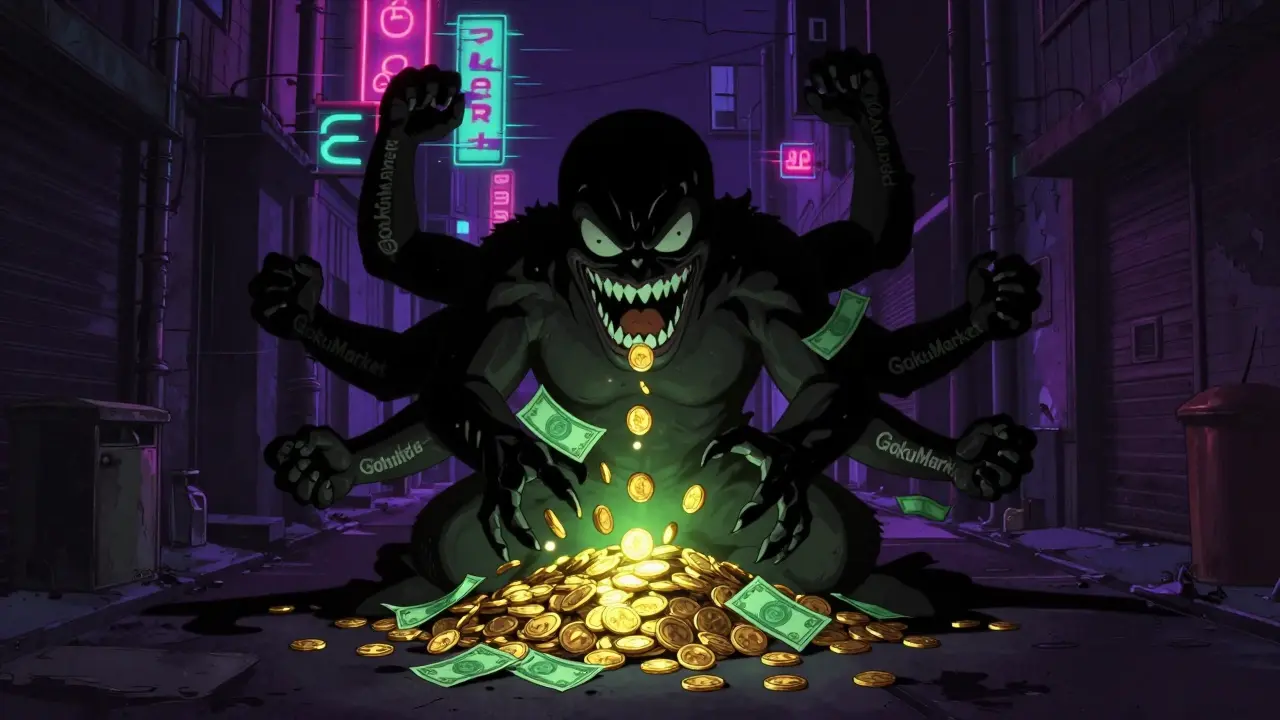
Imagine depositing your life savings into a platform that promises high returns, only to find your account frozen with no way to contact support. That is the reality for thousands of users who turned to GokuMarket. If you are looking at this name in July 2026, stop right there. The short answer is clear: do not use this exchange. It has been blacklisted by the crypto community since 2024 due to severe fraud allegations, massive data breaches, and an inability to process withdrawals.
You might be wondering why such a controversial platform still comes up in search results or old forums. Perhaps you inherited an account, or you saw a lingering advertisement. Understanding what went wrong with GokuMarket is crucial not just for avoiding it, but for learning how to spot similar red flags in other, less obvious exchanges. This review breaks down the timeline of failures, the security disasters, and what happened after its acquisition by ByteX.
The Rise and Fall of a "Community-Driven" Exchange
To understand why GokuMarket failed so spectacularly, we have to look at where it started. Founded in Hong Kong in 2019, GokuMarket was initially marketed as a community-driven cryptocurrency exchange. The pitch sounded appealing to many new investors: governance tokens, low barriers to entry, and a mix of centralized (CEX) and decentralized (DEX) services. They offered fiat deposits in multiple currencies like EUR, USD, and GBP, which made it attractive for beginners outside the US.
On paper, their growth looked impressive. Trading volume data from CoinMarketCap showed a jump from $30.8 million in early 2021 to over $206 billion by April 2022. However, these numbers were highly suspicious. In the crypto world, when volume spikes without corresponding liquidity or reputable institutional backing, it often points to wash trading-where the exchange trades with itself to create fake activity. This illusion of success masked the rotting infrastructure underneath.
| Feature | GokuMarket | Reputable Exchanges (e.g., Coinbase, Kraken) |
|---|---|---|
| Regulatory Compliance | Limited; linked to shell company in Estonia | Strict KYC/AML; licensed in major jurisdictions |
| Withdrawal Reliability | Frozen indefinitely since mid-2022 | Reliable; processed within hours/days |
| Data Security | Major breach exposed 1M+ user records | Multi-layered encryption; regular audits |
| Customer Support | Unresponsive; ghosted users | 24/7 live chat and ticket systems |
The Red Flags: Withdrawals Frozen and Silence Ensued
The first major warning sign appeared in mid-2022. As the broader cryptocurrency market entered a bearish phase, GokuMarket began restricting withdrawals. Users reported that while they could see their balances on the dashboard, any attempt to move funds out resulted in errors or indefinite processing times. This is a classic hallmark of an exit scam or a solventcy crisis.
What makes this situation particularly egregious is the complete lack of communication. When legitimate exchanges face technical issues, they post status updates, offer compensation, or provide timelines. GokuMarket did none of this. Customer service channels went dark. Emails bounced back. Social media inquiries were ignored. For many users, this silence confirmed their worst fears: their money was gone, and the platform was preparing to vanish.
Investigations by groups like TradersUnion revealed deeper structural issues. The entity behind GokuMarket had tenuous connections to GOKUMARKET OU, a small company registered in Estonia with only two employees. Critics argued that the exchange was using the Estonian company's name without proper authorization, a potential case of identity theft to lend false credibility to the platform. By 2024, the crypto community officially blacklisted GokuMarket, labeling it a scam broker that should be avoided at all costs.
A Massive Data Breach Exposed Millions of Users
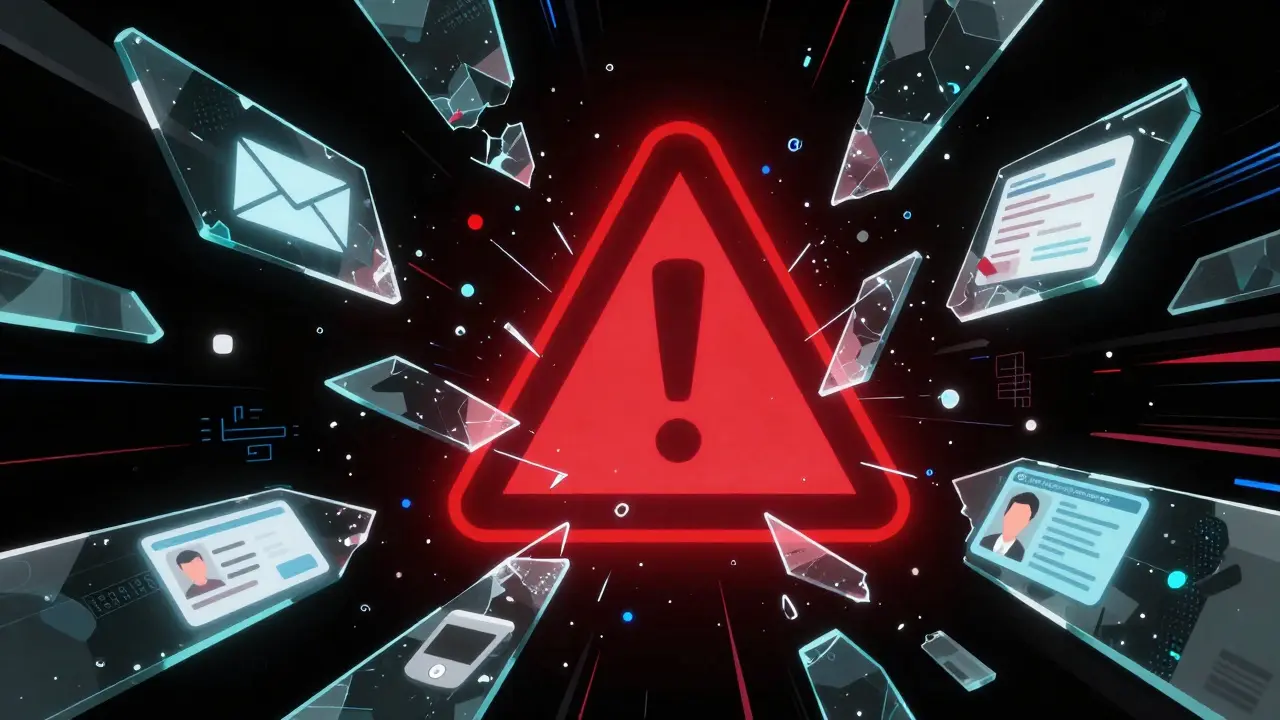
If losing access to your funds wasn't enough, the security failures were even more alarming. In October 2023, researchers from Cybernews discovered an unprotected MongoDB database belonging to GokuMarket. This wasn't just a minor leak; it was a catastrophic exposure of sensitive user data.
The database contained personal information for over one million users, including:
- Full names and dates of birth
- Email addresses and mobile phone numbers
- IP addresses and country locations
- Encrypted passwords
- Cryptocurrency wallet addresses
Even more dangerous, the breach included administrative credentials for 35 full-admin accounts. These keys could potentially allow attackers to control the exchange's operations, transfer funds, or manipulate trade data. Although the database was secured within 24 hours of discovery, it had been exposed for an unknown period prior. This means malicious actors likely had ample time to harvest this data for spear-phishing campaigns designed to drain users' remaining assets elsewhere.
The ByteX Acquisition: A Lifeline or a Distraction?
In late 2022, amidst the chaos, Canada-based cryptocurrency exchange ByteX announced the acquisition of GokuMarket. On the surface, this seemed like a rescue mission. ByteX claimed it wanted to restructure the platform and restore user trust. However, industry analysts viewed this move with extreme skepticism.
Why would a legitimate Canadian exchange buy a platform with frozen withdrawals, unresolved fraud allegations, and a massive security hole? Most experts believe ByteX was attempting to salvage some value from GokuMarket's large user base rather than investing in its technology. Since the acquisition, specific details about the restructuring plan have remained vague. There is no evidence that ByteX has resolved the core issues: users still cannot withdraw their original funds, and the trust deficit remains unbridged.
As of 2026, GokuMarket technically operates under ByteX ownership, but the fundamental problems persist. The blacklisting status remains active across major crypto watchdogs. The acquisition has not led to refunds, nor has it restored reliable customer support. For anyone holding funds on the platform, the likelihood of recovery is near zero.
How to Spot Similar Scams in the Future
The story of GokuMarket is a cautionary tale that applies to many obscure exchanges. You don't need to be an expert to spot the danger signs. Here are the critical checks you should perform before depositing a single dollar into any new platform:
- Check Withdrawal History: Search for recent user complaints about withdrawal delays. Use sites like Trustpilot, Reddit, and specialized crypto forums. If people say they can't get their money out, believe them.
- Verify Regulatory Licenses: Does the exchange list a valid license number from a recognized authority (like the FCA in the UK or FinCEN in the US)? Cross-reference this number with the regulator's official database. Many scams list fake licenses.
- Assess Transparency: Who owns the exchange? Are the team members public with verifiable LinkedIn profiles? Anonymous teams are a major red flag.
- Evaluate Security Practices: Does the platform offer two-factor authentication (2FA)? Do they publish proof-of-reserves reports? Lack of these basics suggests negligence.
- Beware of Unrealistic Volume: If a small, unknown exchange claims billions in daily volume, it is likely fabricated. Stick to platforms with audited, transparent data.
What Should You Do If You Have Funds on GokuMarket?
If you still have an account with GokuMarket, here is the hard truth: your funds are likely lost. However, you can take steps to protect yourself from further harm.
- Do Not Deposit More Money: Some scammers ask victims to pay "fees" or "taxes" to unlock withdrawals. Never send more money to an unresponsive platform.
- Change Passwords Immediately: Given the 2023 data breach, assume your password is compromised. Change it on all other accounts where you used the same credential.
- Enable 2FA Everywhere: Ensure two-factor authentication is active on your email and other crypto wallets to prevent phishing attacks.
- Monitor Your Credit: Since personal data was leaked, watch for signs of identity theft.
- Report to Authorities: File a report with your local financial crime unit. While recovery is unlikely, this helps build a case against the operators.
Better Alternatives for Safe Trading
You don't need to risk your capital on shady platforms. There are numerous established, regulated exchanges that prioritize security and transparency. Depending on your location, consider options like Coinbase, Kraken, Binance (where available), or regional leaders like Bitstamp or eToro. These platforms undergo regular security audits, maintain clear regulatory compliance, and have proven track records of handling user funds responsibly.
The crypto market is volatile enough without adding operational risk. By sticking to well-known entities, you ensure that if the price of Bitcoin drops, your loss is due to market forces-not because an exchange stole your money.
Is GokuMarket safe to use in 2026?
No, GokuMarket is not safe. It has been blacklisted by the crypto community since 2024 due to fraud allegations, frozen withdrawals, and a major data breach. Industry experts strongly advise against using it.
Can I withdraw my funds from GokuMarket?
Most users have been unable to withdraw funds since mid-2022. The platform has consistently failed to process withdrawals, and customer support is unresponsive. Recovery of funds is highly unlikely.
Who owns GokuMarket now?
GokuMarket was acquired by ByteX, a Canada-based cryptocurrency exchange, in late 2022. However, the acquisition has not resolved the underlying issues regarding withdrawals and security.
Was my data stolen from GokuMarket?
Yes. In October 2023, an unprotected database exposed the personal information of over one million users, including names, emails, phone numbers, and encrypted passwords. You should change your passwords immediately.
Why was GokuMarket blacklisted?
It was blacklisted due to widespread reports of withdrawal freezes, lack of customer support, suspected wash trading, and severe security vulnerabilities that endangered user funds and data.