Imagine you want to support your favorite musician. You have two options: buy a unique piece of their digital art that proves you own it, or buy a token that gives you access to private chats and exclusive content. Both use blockchain technology, but they work in completely different ways. This is the core difference between social tokens and Non-Fungible Tokens (NFTs). Understanding this distinction is crucial if you are looking to invest, create, or simply engage with the modern digital economy.
The Core Difference: Fungibility vs. Uniqueness
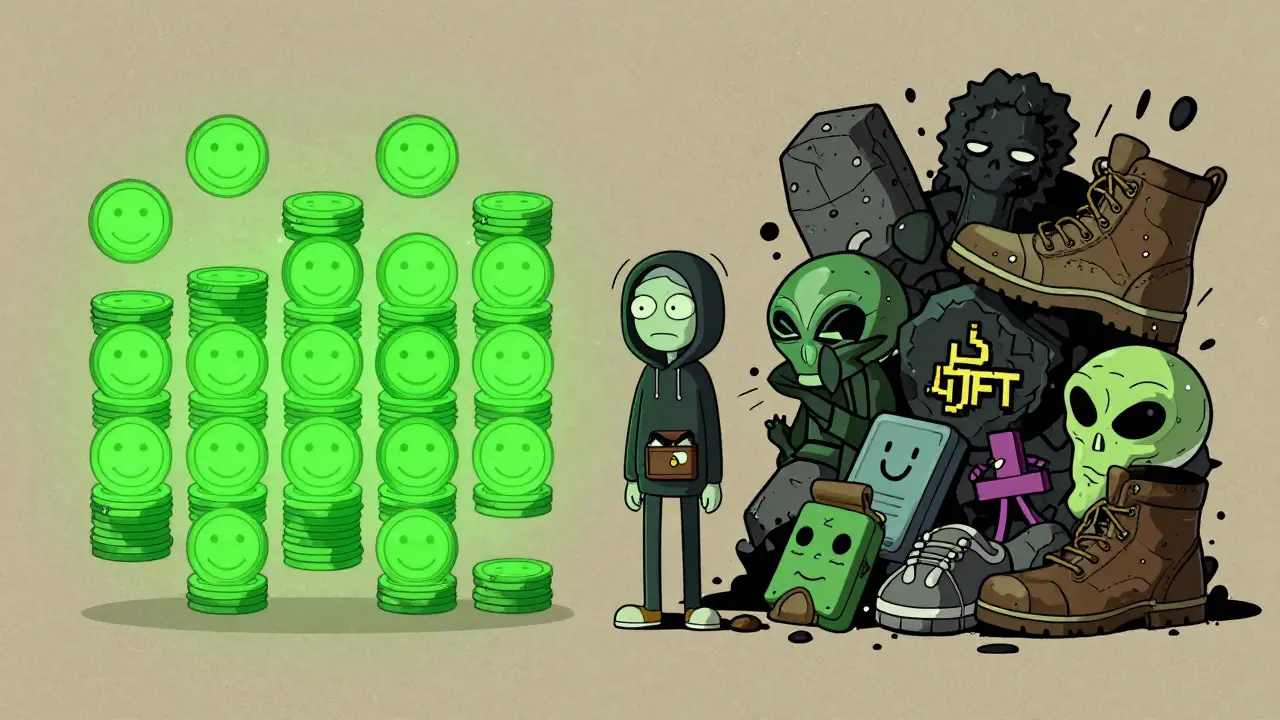
To understand why these assets behave differently, we need to look at a concept called fungibility. Think of a dollar bill. If I give you a $20 bill and you give me another $20 bill, we haven't lost anything. The bills are interchangeable; they have the same value. This is what makes social tokens fungible. Each token in a specific collection is identical to every other token. You can trade them one-for-one, and they generally hold the same price.
NFTs, on the other hand, are non-fungible. They are unique. Just like a signed painting by Picasso cannot be swapped for a signed painting by Monet without changing the value, each NFT has its own distinct identity on the blockchain. This uniqueness is what drives their value in markets for digital art, collectibles, and virtual real estate.
| Feature | Social Tokens | NFTs |
|---|---|---|
| Value Basis | Access, utility, community membership | Rarity, scarcity, artistic merit |
| Fungibility | Fungible (interchangeable) | Non-fungible (unique) |
| Primary Use Case | Creator subscriptions, DAO governance | Digital art, gaming items, collectibles |
| Technical Standard | ERC-20 (usually) | ERC-721 or ERC-1155 |
| Cost Efficiency | High (batch transfers possible) | Lower (individual asset management) |
How Social Tokens Build Communities
Social tokens are designed to bridge the gap between creators and their fans. Instead of just buying a song or an album, you buy into the creator's ecosystem. These tokens often function as a currency within a specific community. They fall into three main categories:
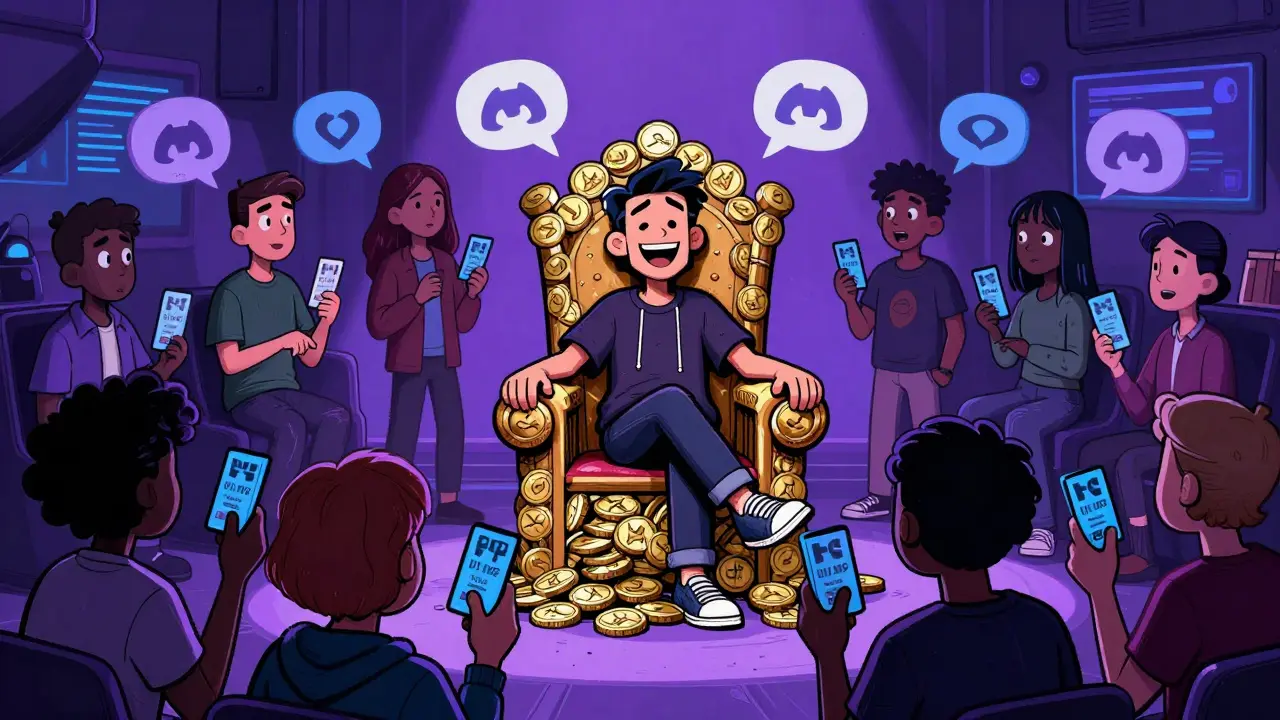
- Personal Tokens: Issued by individuals like musicians, athletes, or influencers. Holding these tokens might get you early access to tickets, private Discord channels, or direct messages with the creator.
- Community Tokens: Designed for groups or collectives. These often include governance rights, allowing holders to vote on decisions related to the group's direction or fund allocation.
- Platform Tokens: Used to encourage participation on specific platforms, rewarding users for contributing content or engaging with others.
A prime example is how legendary artist Sting launched a social token. Fans could buy these tokens to support his music career directly while gaining access to exclusive content and experiences. Similarly, Polish pop star Doda used tokens to provide daily private updates to her most dedicated supporters. Even sports figures like Robert Lewandowski have tokenized parts of their personal brand, offering exclusive benefits to fans who hold his tokens.
The beauty of social tokens lies in their liquidity. If you decide you no longer want to be part of a community, you can sell your tokens. For instance, members of the Shiba Inu community issued tokens that granted access to private Telegram groups. When a member left, they could sell their access back to someone else, creating a secondary market for community entry.
Why NFTs Focus on Ownership and Scarcity
If social tokens are about access, NFTs are about ownership. Built primarily on the Ethereum blockchain using standards like ERC-721, NFTs represent one-of-a-kind digital assets. This could be a piece of digital art, a rare trading card, a domain name, or even a plot of virtual land.
The value of an NFT is subjective and driven by rarity and desirability. Some NFTs have sold for millions of dollars not because of any inherent utility, but because of their cultural significance and the status associated with owning them. This makes NFTs ideal for:
- Digital Art: Artists can prove authenticity and ownership of their work.
- Gaming Items: Players can truly own their in-game swords, skins, or characters, potentially selling them to other players.
- Virtual Real Estate: Owning a unique parcel of land in a metaverse environment.
- Collectibles: Digital versions of physical collectibles like trading cards or sneakers.
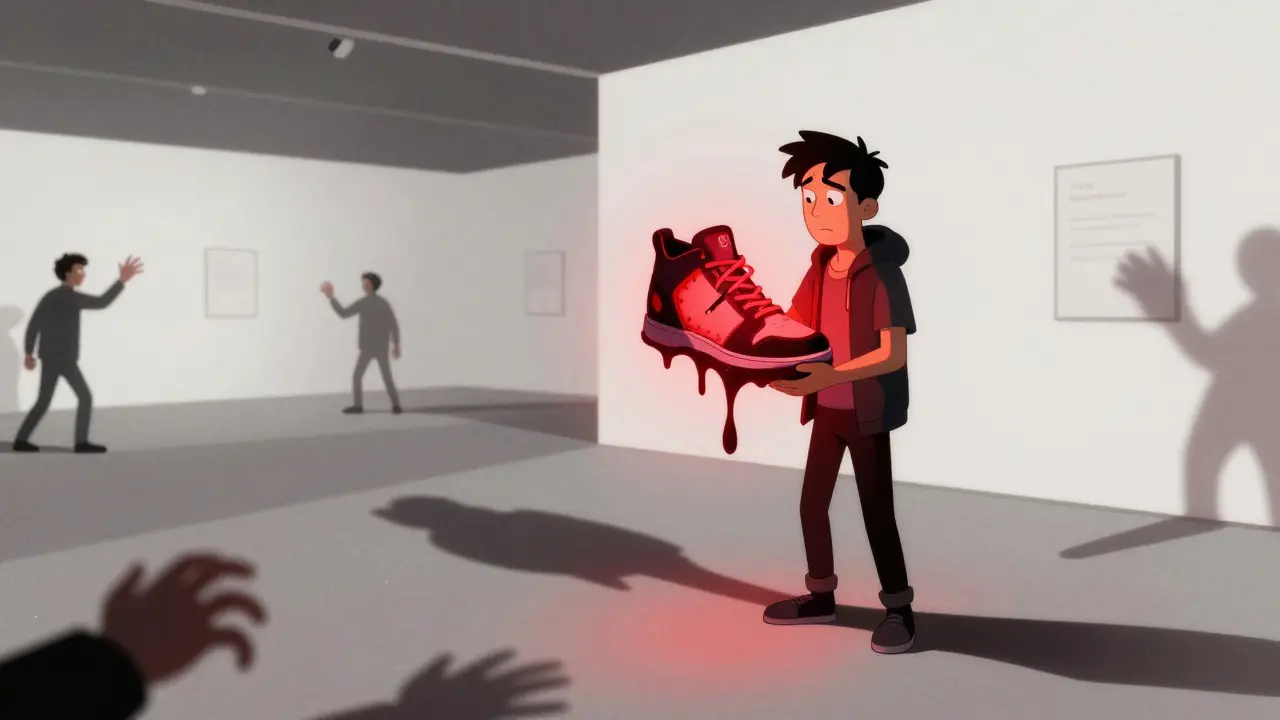
However, this uniqueness comes with complexity. Because each NFT is distinct, managing them requires more technical overhead. Unlike social tokens, which can be transferred in batches efficiently, NFTs must be handled individually. This leads to higher transaction costs and greater complexity for both creators and buyers.
Technical Architecture: Simplicity vs. Complexity
From a developer's perspective, the choice between social tokens and NFTs involves significant trade-offs. Social tokens typically use standard fungible token frameworks like ERC-20. This allows for batch transfers and unified smart contracts, making them cost-effective and scalable. If a creator wants to issue 10,000 tokens to fans, the process is streamlined and efficient.
NFTs, however, require non-fungible standards like ERC-721 or ERC-1155. Each token needs unique metadata to define its properties. This ensures that Token A is never confused with Token B. While this precision is necessary for unique assets, it increases gas fees (transaction costs) on networks like Ethereum. For a creator minting thousands of unique items, these costs can add up quickly.
Furthermore, the learning curve differs. Creating a social token involves understanding community management and tokenomics-designing a system where the token retains value through ongoing utility. Creating an NFT project requires focusing on digital asset creation, scarcity management, and marketplace dynamics. One is about building a loyal following; the other is about crafting a desirable product.
Market Positioning and Future Trends
Currently, social tokens compete with traditional subscription models like Patreon or fan clubs. They offer a decentralized alternative where fans have a financial stake in the community's success. NFTs compete with traditional art markets and physical collectibles, offering provable ownership and global accessibility.
Interestingly, we are seeing convergence. Many artists now use a hybrid approach. They might sell an NFT of their artwork to establish ownership and scarcity, while simultaneously issuing social tokens to grant buyers access to online workshops or private streams. This combines the best of both worlds: the prestige of owning a unique asset with the ongoing engagement of community membership.
As the market matures, expect to see more integration. Social tokens may evolve to include personalized features, blurring the line with NFTs. Meanwhile, NFTs may incorporate utility elements, moving beyond pure speculation toward functional assets. For now, however, the distinction remains clear: choose social tokens for community and access, and NFTs for ownership and uniqueness.
Are social tokens safer than NFTs?
Safety depends on the project, not the asset type. However, social tokens often have clearer utility-based value, which can reduce speculative volatility. NFTs are prone to extreme price swings based on hype. Always research the team behind any token or NFT before investing.
Can I convert social tokens into NFTs?
Technically, yes, through smart contract mechanisms, but it is complex. Most projects keep them separate because they serve different purposes. Some platforms allow you to "wrap" tokens into NFTs for display purposes, but this doesn't change their underlying fungible nature.
Which blockchain is best for social tokens?
Ethereum is popular but has high fees. Solana and Polygon are increasingly preferred for social tokens due to lower transaction costs and faster speeds, making micro-transactions and frequent community interactions more feasible.
Do social tokens have tax implications?
Yes. In many jurisdictions, buying, selling, or trading social tokens can trigger taxable events. Consult a tax professional familiar with cryptocurrency regulations in your country to ensure compliance.
What happens if a creator stops producing content?
The value of social tokens is tied to the creator's activity. If they stop providing utility, the token's value likely drops. This is a key risk compared to some NFTs, which may retain value based on historical significance even if the creator is inactive.