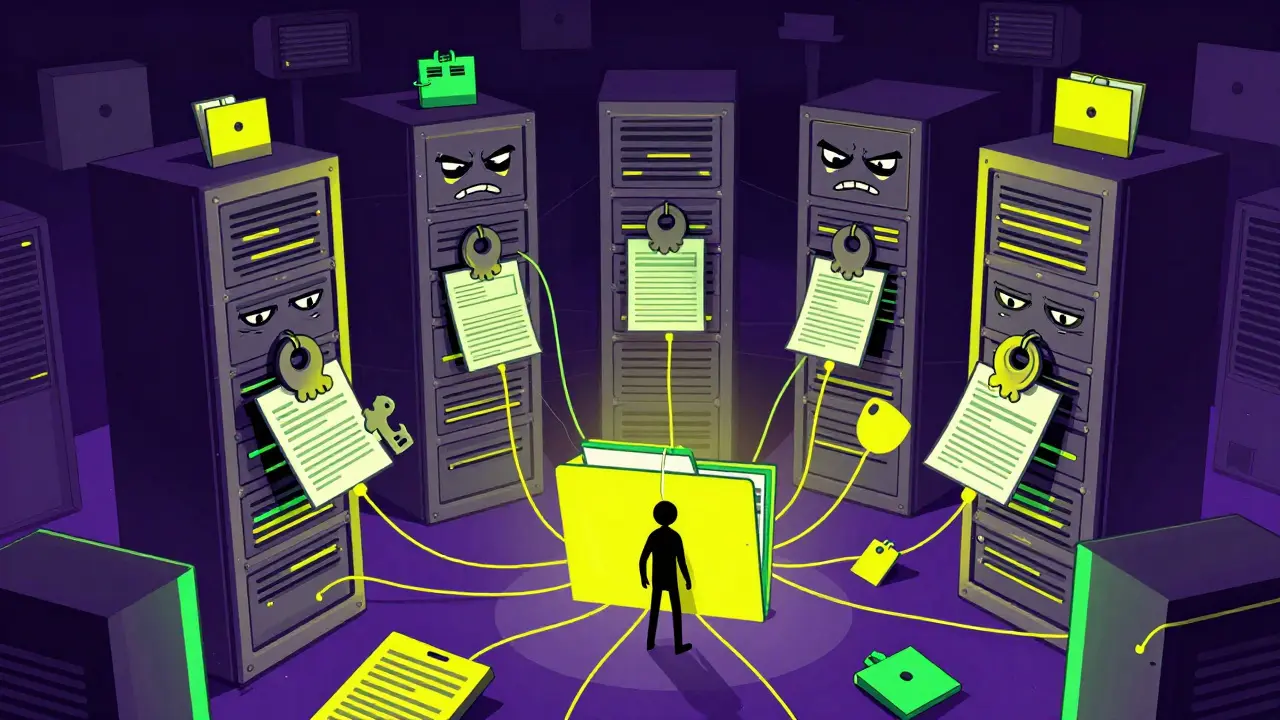
Quick Takeaways
- User Control: You own your data in a digital wallet, not a company database.
- Privacy: You share only what is necessary (e.g., proving you are over 18 without sharing your birth date).
- Blockchain Power: Distributed ledgers ensure your identity can be verified instantly and cannot be tampered with.
- Interoperability: One set of credentials works across different platforms and services.
The Shift to Self-Sovereign Identity
To understand how this works, we need to talk about Self-Sovereign Identity (SSI). In the old model, you are a guest in someone else's database. In the SSI model, you are the sole administrator of your identity. Think of it like a physical wallet. When you show a bouncer your driver's license to enter a club, the DMV (the issuer) isn't involved in that specific moment. You hold the card, and the bouncer (the verifier) trusts the card because it was issued by a trusted authority. Decentralized identity brings this exact real-world logic to the internet. You hold your credentials digitally, and you decide exactly when and with whom to share them.How the DID Ecosystem Actually Works
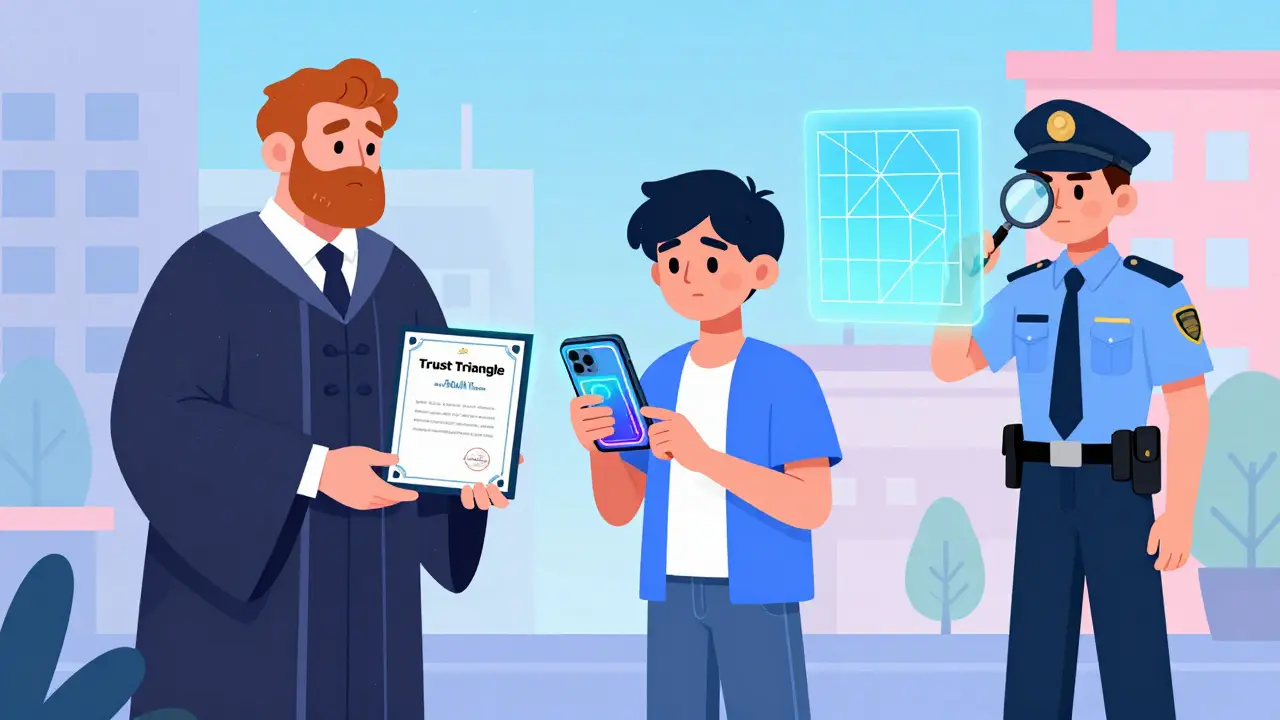
Decentralized identity isn't just one piece of software; it's a system of moving parts. To make this happen, three specific roles interact in what experts call the "trust triangle."- The Issuer: This is a trusted entity-like a university, a government agency, or a bank. They provide you with a Verifiable Credential (VC). For example, a college issues a digital diploma that is cryptographically signed to prove it's real.
- The Holder: That's you. You store these VCs in a Digital Wallet. This is a secure app on your phone that manages your keys and credentials.
- The Verifier: This is the person or company that needs to check your info. Instead of calling your college to verify your degree, the verifier checks the blockchain to see if the issuer's signature is valid.
| Feature | Centralized (Traditional) | Decentralized (DID) |
|---|---|---|
| Data Storage | Corporate/Gov Databases | User's Digital Wallet |
| Control | Service Provider | The Individual |
| Privacy | Full profile shared/stored | Selective disclosure |
| Failure Point | Single point (Server crash/hack) | Distributed (Resilient) |
The Role of Blockchain: The Invisible Anchor
You might wonder: "If the data is in my wallet, why do we need a blockchain?" Here is the trick: the blockchain doesn't store your name, your address, or your social security number. Doing that would be a privacy nightmare. Instead, the Blockchain stores the Decentralized Identifier (DID) and a pointer to a DID Document. This document contains public keys and service endpoints. When you present a credential, the verifier uses the blockchain to check the cryptographic signature of the issuer. Because the blockchain is immutable, no one can sneak in and change the issuer's public key. It acts as a global, tamper-proof phonebook that lets everyone verify that "Yes, this credential was actually signed by the Ministry of Health," without the Ministry needing to be online or involved in the transaction.Privacy through Zero-Knowledge Proofs
One of the coolest parts of this technology is the ability to prove something without actually showing the data. This is often done using Zero-Knowledge Proofs (ZKPs). In a traditional world, if a website needs to know you're 21, you upload your ID. Now they have your full name, your exact birth date, and your home address. With ZKPs in a decentralized system, your wallet can send a mathematical proof that says "The holder of this ID is over 21," and the verifier gets a "True" or "False" answer. They never see your birth date. You've shared the *fact*, not the *data*.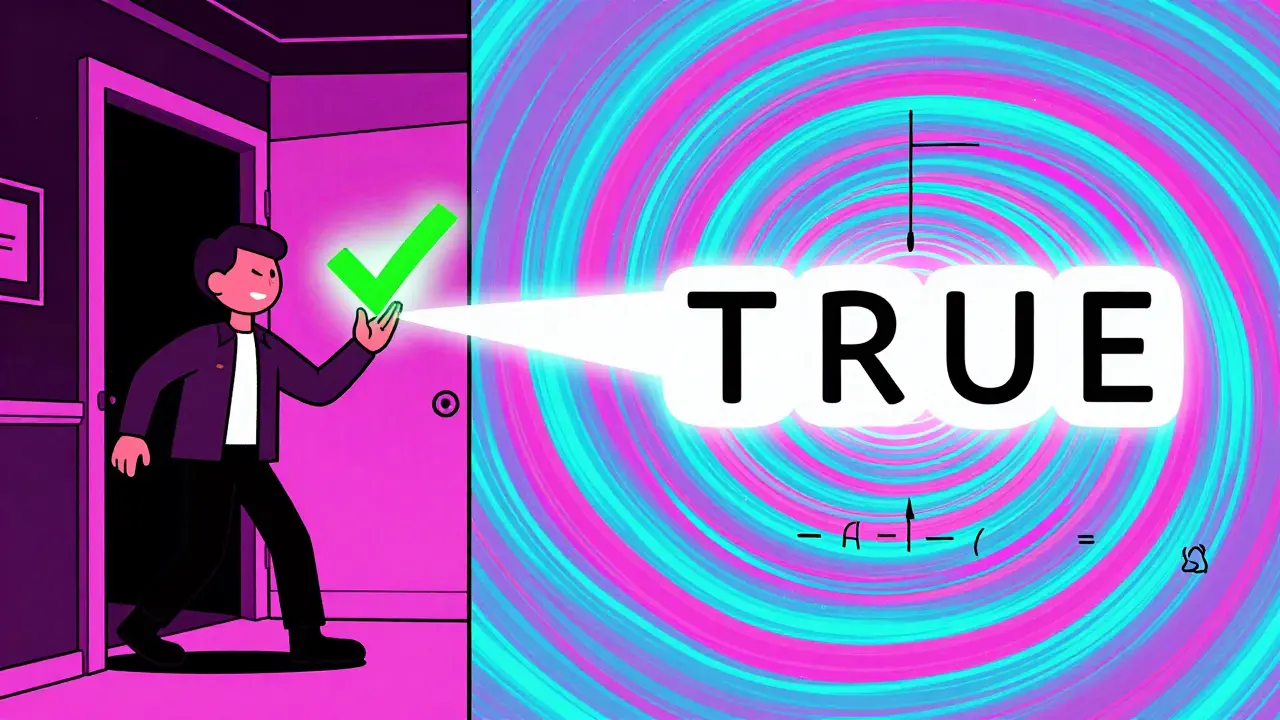
Real-World Use Cases: Where Will We See This?
This isn't just theoretical. We are seeing this move into actual industries:- Education: Universities can issue digital diplomas. When you apply for a job, you share the verified credential. No more waiting weeks for a registrar's office to mail a transcript.
- Healthcare: You can carry your vaccination records or blood type in your wallet. In an emergency, you provide access to the specific medical data needed without handing over your entire medical history.
- Finance: KYC (Know Your Customer) is a huge pain for banks. With DID, a user could undergo KYC once with a trusted provider and then share that "Verified Person" credential with five other financial apps instantly.
- Government: Digital passports and driver's licenses that you control, reducing the risk of identity theft from centralized government database leaks.
The Hurdles: Why Isn't Everyone Using It?
If it's so great, why are we still using passwords and emails? There are a few big roadblocks. First, there's the "user experience" problem. Managing cryptographic keys is scary for the average person. If you lose your private key and don't have a backup, you could potentially lose access to your identity. Second, we have an interoperability gap. For this to work, the W3C standards need to be adopted globally. If the government issues a DID on one blockchain, but the bank only accepts another, the system breaks. We're moving toward a standard, but we aren't there yet. Finally, many organizations are reluctant to give up the data they collect on users, as that data is incredibly valuable for marketing and tracking.Does decentralized identity mean my personal data is on the blockchain?
No. This is a common misconception. Your private data (like your name or address) stays in your secure digital wallet. Only the decentralized identifier (DID) and public verification keys are stored on the blockchain. This ensures your privacy while still allowing others to verify that your credentials are authentic.
What happens if I lose my digital wallet or phone?
Since DIDs rely on cryptographic keys, losing your device can be a problem if you don't have a backup. However, modern systems are implementing "social recovery" or encrypted cloud backups of the wallet's master key, allowing you to restore your identity on a new device without losing your credentials.
How is this different from "Login with Google" or "Login with Facebook"?
"Login with Google" is still a centralized system. Google acts as the middleman; they know every site you visit, and if Google deletes your account, you lose access to those services. With decentralized identity, there is no middleman. You authenticate yourself directly using your own keys, and no single company can revoke your identity.
Who decides who the "Trusted Issuers" are?
Trust is determined by the verifier. For example, if you're applying for a loan, the bank (verifier) will only trust credentials issued by recognized government agencies or accredited banks. They maintain a list of public keys from issuers they trust.
Is decentralized identity legal and compliant with GDPR?
Actually, it's often *more* compliant with regulations like GDPR. Because users control their own data and can selectively share it, the system supports the "right to be forgotten" more naturally than a centralized database where your data is copied across multiple servers.



Adedamola Oyebo
Exactly what we need for the digital divide!!! This could revolutionize how we handle credentials in emerging markets!!!