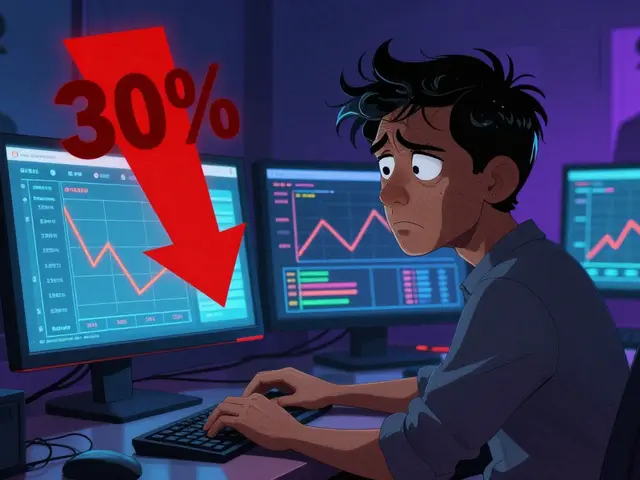
It used to be a dream destination. If you were running a cryptocurrency mining operation in Europe back in 2017, Sweden was where you wanted to be. The country offered cheap hydroelectric power, naturally cool air for cooling servers, and a massive tax break. But that era is over. In a dramatic policy reversal, Sweden has eliminated those incentives and slapped punitive taxes on miners, effectively shutting the door on large-scale operations.
This isn't just a minor tweak to the rulebook. It’s a complete overhaul that transforms Sweden from a mining haven into one of the most hostile jurisdictions in the world for digital asset operations. For anyone involved in the industry, understanding this shift is crucial because it signals a broader trend in how governments view energy-intensive tech.
The Rise and Fall of the Swedish Mining Haven
To understand why this matters, we have to look at what happened before. In 2017, the Swedish government introduced a generous 98% tax reduction for data centers. The goal was simple: attract technology companies and boost digital infrastructure investment. It worked. Giants like Microsoft, Amazon, and Facebook set up shop, drawn by the reliable renewable energy and favorable fiscal policies.
Cryptocurrency miners followed suit. By leveraging the same infrastructure benefits, they established a significant presence, particularly in northern Sweden where temperatures drop low enough to reduce cooling costs. At its peak, Sweden hosted around 150 megawatts of active mining capacity. It became known as "the last remaining stronghold of bitcoin miners in Europe," according to reports from CoinDesk. The combination of green energy and tax efficiency made it a profitable niche even when global energy prices spiked due to geopolitical tensions in Ukraine.
But the landscape changed rapidly. By 2023, the government decided the social contract had been broken. They argued that mining operations consumed vast amounts of energy while contributing little to local job creation or economic stability. This perception led to the abrupt end of the golden age for Swedish miners.
The New Tax Reality: A 6,000% Increase
The core of the new policy is brutal in its simplicity. The Swedish government didn't just remove the old tax breaks; they added a heavy penalty. The energy tax for data centers skyrocketed from SEK 0.006 (about $0.0006) per kilowatt-hour to SEK 0.36 (about $0.035) per kilowatt-hour. That is a 6,000% increase in energy costs.
This change took effect in July 2023, following a budget announcement in November 2022. For context, most mining operations run on thin margins. Even with efficient hardware, electricity is the biggest expense. Adding a tax that triples or quadruples your primary cost structure makes profitability nearly impossible unless cryptocurrency prices soar dramatically.
| Metric | Before July 2023 | After July 2023 |
|---|---|---|
| Energy Tax Rate | SEK 0.006 / kWh | SEK 0.36 / kWh |
| Tax Reduction for Data Centers | 98% available | Eliminated |
| Market Position | Top European Hub | Hostile Jurisdiction |
| Active Mining Capacity | ~150 MW | Near Zero |
Industry analysts describe this move as economically destructive. The Bitcoin Manual noted that such a steep hike would likely "ultimately destroy the industry" in the region. Unlike neighboring Norway, which has expressed concerns about energy use but hasn’t implemented similar penalties, Sweden chose a path of aggressive deterrence. This places them in stark contrast to countries like Kazakhstan, Texas, and parts of Canada, which are actively competing to attract miners with lower costs and supportive regulations.
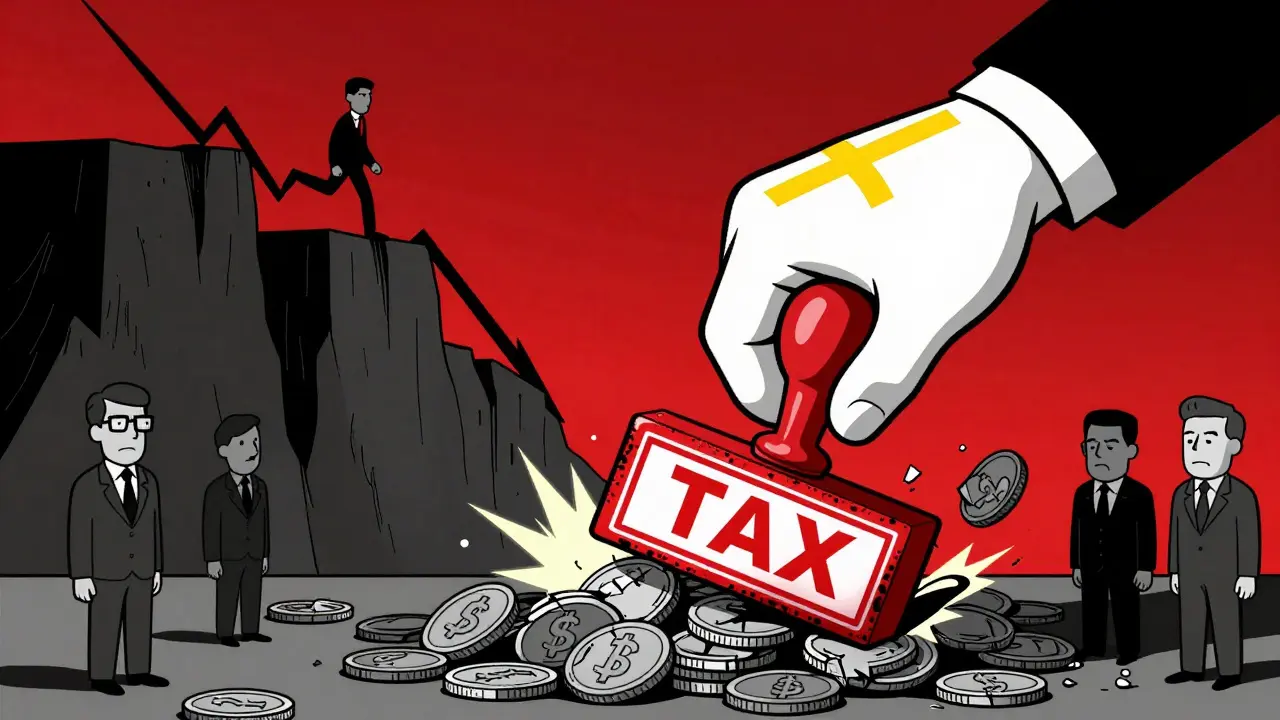
Why Did Sweden Crack Down?
You might wonder why a country known for innovation would turn against crypto so harshly. The answer lies in past experiences and public pressure. During the 2018 cryptocurrency market downturn, many mining companies fled Sweden. When they left, they often left behind unpaid energy bills. This caused substantial disruption for local energy providers and strained community resources.
The government concluded that these operations provided minimal value relative to their impact. GRN Energy analyzed the rationale, noting that officials cited the industry's "minimal contribution to economic activity, job creation, and energy infrastructure." Traditional data centers, like those built by Amazon or Microsoft, create jobs and support long-term digital growth. Crypto miners, by comparison, are often seen as transient energy vampires that drain the grid without building local wealth.
This sentiment aligns with broader European Union discussions on environmental standards. While the EU hasn't banned mining outright, member states have the freedom to regulate energy usage. Sweden’s approach represents the extreme end of this spectrum, using tax policy as a tool to eliminate an industrial activity deemed undesirable.

Where Are Miners Going Now?
If you can't make money in Sweden, you move. The immediate result of the tax hike was a mass exodus. As of late 2023, virtually all commercial mining operations had either shut down or relocated. Operators reported that staying was mathematically impossible. Even with the latest ASIC hardware, the energy tax alone exceeded potential revenues for most assets.
So, where did they go? The migration patterns are clear:
- Kazakhstan: Often a first stop for displaced miners due to relatively low energy costs, though it faces its own regulatory volatility.
- United States: States like Texas offer abundant energy and a pro-business environment. Many operators moved there to access cheaper power and stable legal frameworks.
- Canada: Certain provinces with hydroelectric surplus continue to attract mining firms looking for renewable energy credits and cooler climates.
This relocation creates challenges. Moving specialized hardware is expensive and risky. Companies faced stranded asset problems, leaving purpose-built facilities empty. Meanwhile, regional power grids in northern Sweden had to adjust to the sudden loss of large energy consumers, requiring rebalancing of distribution models.
What This Means for the Future of Crypto Regulation
Sweden’s decision is more than just a local issue; it’s a case study for other governments. It proves that tax policy can be used effectively to wipe out an entire sector within months. Other European nations are watching closely. Some may follow suit if they face similar pressures regarding energy consumption and carbon footprints.
For investors and operators, the lesson is clear: regulatory risk is real. Relying on a single jurisdiction for critical infrastructure is dangerous. Diversification across multiple regions with different political landscapes is no longer optional-it’s essential for survival. The era of assuming that "green energy equals safe mining" is over. Political will now outweighs environmental credentials.
As we move further into 2026, the Swedish model remains a warning sign. It shows that even friendly governments can turn hostile overnight if they feel the balance of benefit and burden has tipped. For the crypto industry, adaptability is the only constant.
When did Sweden eliminate crypto mining tax incentives?
Sweden completely reversed its policy in 2023. The previous 98% tax reduction for data centers was eliminated, and a new, higher energy tax took effect in July 2023, following a budget announcement in November 2022.
How much did the energy tax increase for data centers in Sweden?
The energy tax increased from SEK 0.006 per kilowatt-hour to SEK 0.36 per kilowatt-hour. This represents a 6,000% increase, making operations economically unviable for most miners.
Why did Sweden decide to ban crypto mining incentives?
The government cited concerns that mining operations consumed excessive energy while contributing little to job creation or local economic activity. Past incidents where miners left unpaid energy bills during market downturns also influenced the decision.
Did any major tech companies leave Sweden due to these changes?
While the tax hike primarily targeted crypto miners, traditional data center operators like Microsoft and Amazon were initially attracted by the earlier incentives. However, the new punitive taxes mainly affected the crypto sector, leading to near-total shutdown of mining activities rather than broad tech exodus.
Where are Swedish crypto miners relocating?
Most operators have relocated to jurisdictions with favorable energy policies and regulatory environments, including Kazakhstan, various U.S. states like Texas, and certain Canadian provinces.
Is crypto mining still possible in Sweden today?
Commercially, no. The combination of eliminated tax breaks and high energy taxes makes large-scale mining mathematically impossible under current market conditions. Only very small-scale, non-commercial operations might remain, but they lack economic viability.