AMLR Regulation: What It Means for Crypto Users and Exchanges
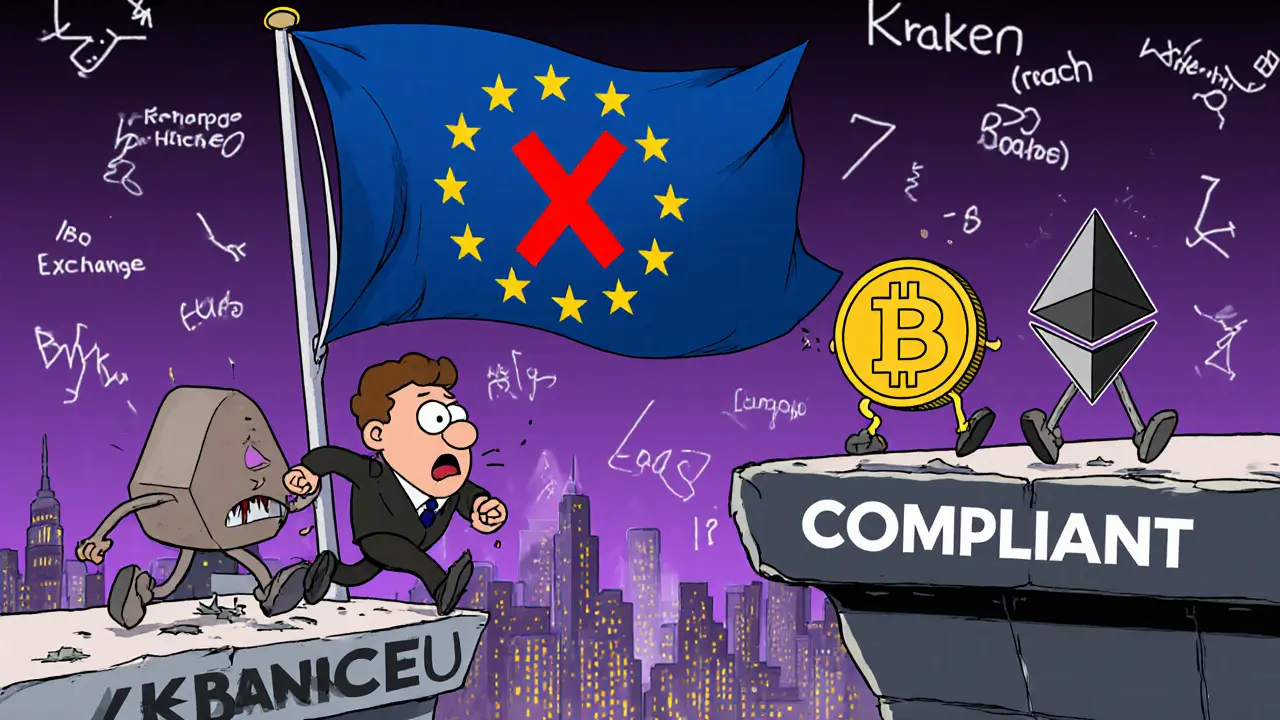
When you hear AMLR regulation, Anti-Money Laundering and Counter-Terrorism Financing rules that govern how financial systems track and report suspicious activity. It's not just paperwork—it’s the backbone of legal crypto trading in most countries. If you’re using a crypto exchange, sending tokens across borders, or even holding large amounts of digital assets, AMLR rules are already affecting you—whether you know it or not.
These rules require exchanges to know who you are (KYC), monitor your transactions, and report anything unusual. Countries like the UK, South Korea, and Indonesia now enforce AMLR as part of their official crypto frameworks. That’s why platforms like COREDAX, a regulated crypto exchange in South Korea that follows strict local compliance rules can only operate if they verify users and log every trade. Meanwhile, in places like Vietnam or Nigeria, where regulations are still shifting, AMLR compliance becomes a make-or-break factor for whether an exchange stays open or gets shut down.
It’s not just about exchanges, though. AMLR also impacts how you interact with DeFi platforms, airdrops, and even wallet providers. If you’re claiming a token like DSG, a token tied to a low-liquidity airdrop that could raise red flags under AMLR scrutiny, you might be asked to prove your identity later—even if the project says it’s "anonymous." The same goes for large transfers from platforms like MEXC or Bitget. Regulators don’t care if you think it’s "just a meme coin." If the value crosses a threshold, it’s traceable.
AMLR isn’t about stopping innovation—it’s about stopping criminals from using crypto to hide dirty money. But the side effect? Legit users face more checks, longer waits, and sometimes, blocked access. That’s why some traders in Bangladesh use VPNs to bypass restrictions, and why platforms like CreekEx or Woof Finance get flagged as scams—they avoid compliance entirely. Real exchanges don’t hide from AMLR. They build around it.
What you’ll find below are real cases showing how AMLR plays out in practice: from UK exchanges under FCA oversight to state-run mining in Venezuela, from Nigerian traders navigating inconsistent rules to Korean users locked into licensed platforms. These aren’t abstract policies—they’re daily realities for millions. Whether you’re trying to avoid taxes, claim an airdrop, or just trade safely, understanding AMLR regulation isn’t optional. It’s the difference between keeping your funds and losing them to a shutdown, a freeze, or worse.