Asset Forfeiture in Crypto: What It Means and How It Affects Traders
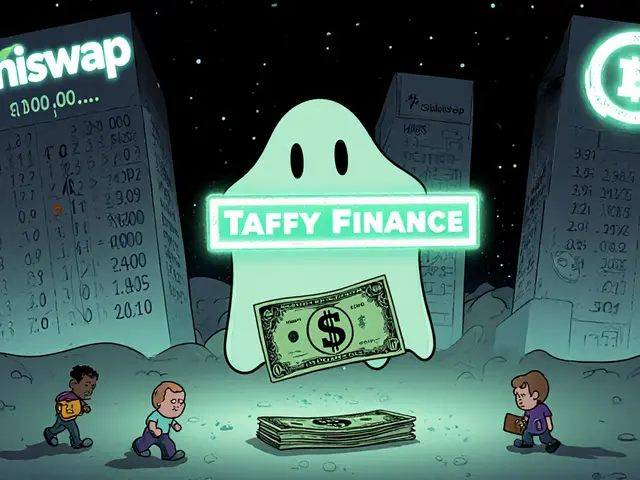
When you hold crypto, you might think your coins are yours forever—until the government decides otherwise. Asset forfeiture, the legal process where authorities seize property suspected of being involved in illegal activity, even without a criminal conviction. Also known as civil asset forfeiture, it's become a real threat in the crypto world. Unlike traditional banking, where funds are protected by layers of oversight, crypto assets can be frozen or taken based on suspicion alone. This isn't science fiction—it’s happening right now in the U.S., U.K., and beyond.
Authorities don’t need to prove you committed a crime to take your crypto. They just need to show it’s linked to something illegal—like money laundering, ransomware payments, or unlicensed exchanges. The crypto seizure, the act of law enforcement taking control of digital assets through wallet addresses or exchange accounts. Also known as crypto confiscation, it’s growing as regulators gain access to blockchain analytics tools. In 2024, the U.S. Department of Justice recovered over $6 billion in crypto through forfeiture cases. That’s not a typo. And it’s not just big players getting hit. Ordinary users who bought coins on unregulated platforms, used mixers, or even received funds from a hacked wallet have lost everything overnight.
Some countries, like the U.K. and South Korea, are tightening rules around exchange compliance, which indirectly increases the risk of forfeiture. If you trade on an unlicensed platform—like the fake exchanges mentioned in our posts (CreekEx, Woof Finance, Armoney)—you’re already in the crosshairs. Regulators see those platforms as red flags, and anyone using them gets tagged as high-risk. Even if you didn’t know the exchange was illegal, your assets can still be seized.
Then there’s the issue of crypto regulations, government rules that define what’s legal and illegal in digital asset use, often forcing exchanges to report or freeze suspicious activity. Also known as crypto compliance laws, they’re changing fast. Places like the U.S. and UK now require exchanges to report transactions over $10,000. That data feeds directly into forfeiture cases. Even if you’re doing nothing wrong, if your wallet sends funds to a flagged address, you could get pulled into an investigation.
And here’s the worst part: once your crypto is seized, getting it back is nearly impossible. There’s no easy appeal process. You need a lawyer, proof of innocence, and months—if not years—of legal battles. Most people just give up.
What you’ll find in these posts isn’t just theory. It’s real-world examples of what happens when crypto meets the law. From Nigeria’s shaky enforcement to Vietnam’s strict capital controls, from HM Treasury’s new FCA rules to Venezuela’s state-controlled mining, the pattern is clear: governments are getting better at tracking, freezing, and taking digital assets. Some posts show how people got caught using fake exchanges. Others explain how airdrops turned into traps when the tokens were linked to unregistered entities. One even shows how relocating to a zero-tax country doesn’t protect you if your crypto was already flagged.
You can’t avoid regulation by ignoring it. But you can protect yourself by knowing where the risks are. These posts give you the facts—not fear, not hype—just what’s actually happening on the ground in 2025. Whether you’re trading, mining, or holding, you need to understand asset forfeiture before it takes your coins.