Best Transaction Fee Estimation Tools for Blockchain in 2025
Learn how transaction fee estimation tools help you pay the right amount on Bitcoin and Ethereum, avoid overpaying, and get your transactions confirmed fast-without guesswork.
When you send Bitcoin, you’re not just moving coins—you’re paying for space on the blockchain. This cost is called a Bitcoin transaction fee, a payment made to miners to include your transaction in the next block. It’s not fixed. It changes based on how busy the network is, how much data your transaction uses, and how fast you want it confirmed. Without a Bitcoin fee calculator, a tool that estimates the cost of sending Bitcoin based on current network conditions, you could end up paying way more than you need to—or waiting hours for your transaction to go through.
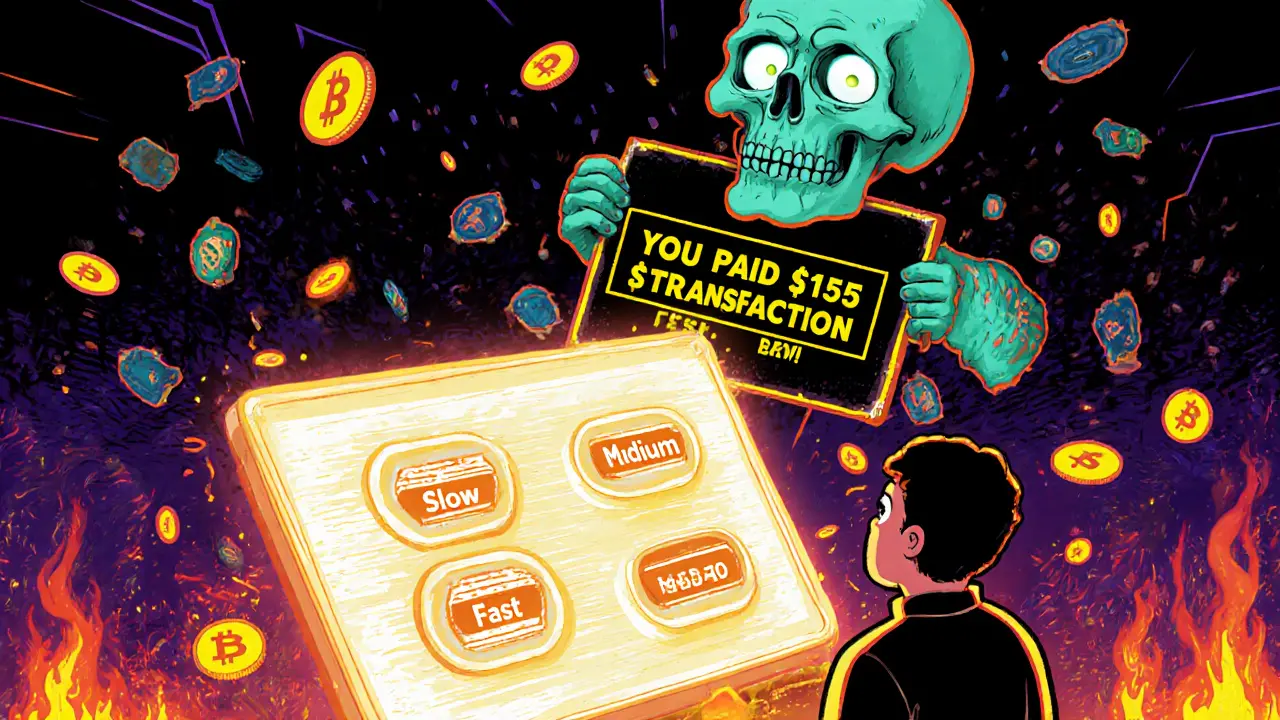
Fee calculators work by analyzing the mempool—the queue of unconfirmed transactions. When the mempool fills up, miners prioritize transactions with higher fees. If you’re sending $50 worth of Bitcoin during a surge, you might pay $5 in fees. That’s not a bug—it’s how the system scales. But you don’t have to accept it. Tools like fee calculators show you the difference between low, medium, and high priority. You can pick the right speed for your needs: wait hours for pennies, or pay a bit more to get it done in minutes. Some wallets even auto-select the best fee, but not all do. Knowing how to read a fee calculator gives you control.
It’s not just about Bitcoin. The same logic applies to any blockchain with limited block space. Ethereum, Litecoin, and others have similar fee structures. But Bitcoin’s network is the oldest, most congested, and most predictable. That’s why understanding its fee system matters most. If you’re trading, swapping, or just sending money to a friend, overpaying fees eats into your returns. Underpaying means you’re stuck. A good fee calculator turns guesswork into strategy. You’ll see how recent spikes happened after major events—like when a big exchange moved funds or when a new NFT project launched. You’ll also learn why some wallets charge extra on top of the network fee, and how to avoid them.
What you’ll find in the posts below aren’t just guides—they’re real examples of people who got burned by ignoring fees, or saved money by using the right tools. You’ll read about scams disguised as "instant Bitcoin transfers," exchanges that hide fee details, and wallets that auto-suggest terrible rates. You’ll also see how some users time their sends to avoid peak congestion, or use Layer 2 solutions to cut costs entirely. This isn’t theory. It’s what happens when people stop assuming fees are fixed and start treating them like a variable they can manage.
23 August
Learn how transaction fee estimation tools help you pay the right amount on Bitcoin and Ethereum, avoid overpaying, and get your transactions confirmed fast-without guesswork.