Black Mirror Experience: Real-World Crypto Scams, Surveillance, and Digital Dystopias
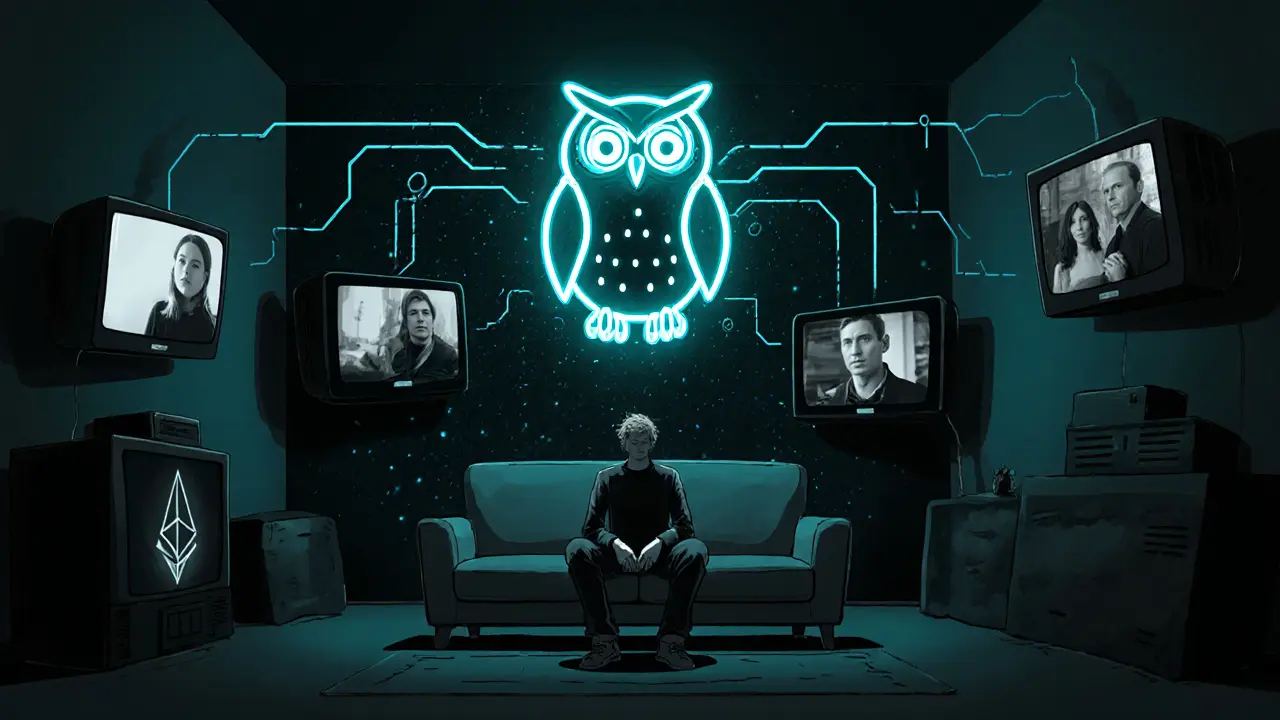
When you hear Black Mirror Experience, a term describing real-life situations that mirror the eerie, tech-driven nightmares from the TV series Black Mirror. It's not just a catchy phrase—it's what happens when crypto anonymity turns into digital trapping, when a trading bot gets flagged as fraud, or when your VPN becomes the only thing standing between you and a government ban. This isn't sci-fi. It's Nigeria’s inconsistent crypto rules, Korea’s strict local exchange limits, or Vietnam’s $379 million barrier for exchanges that still don’t exist. The digital surveillance, the monitoring of online financial activity by governments or corporations isn’t something you read about—it’s what Bangladeshis fight daily with VPNs just to access Binance. And it’s why a simple misspelling like "Armoney" can lead straight to a scam site designed to drain your wallet.
The crypto scams, fraudulent platforms or token schemes that trick users into investing with false promises aren’t just sketchy websites. They’re fake exchanges like CreekEx and Woof Finance, dressed up like legit platforms, built to vanish overnight. They’re tokens like Flowmatic ($FM) and Project Quantum (QBIT), tied to games that never launched, with zero trading volume and no team. These aren’t outliers—they’re the norm in a space where hype replaces due diligence. Even "legit" airdrops like DSG or ACMD vanish after the initial rush, leaving users holding tokens worth nothing. And when you think you’re safe using residential proxies to hide your trading bots, you’re just one step away from being flagged as a fraudster yourself. The crypto privacy, the ability to conduct transactions without revealing identity or location you thought you had? It’s an illusion. Every IP, every wallet, every transaction leaves a trail. The same tools that help you avoid bans are the same ones regulators use to track you.
What makes the Black Mirror Experience so dangerous isn’t the tech—it’s the trust. People believe in tokens with 420-trillion supply and no utility. They chase airdrops with zero circulating supply. They assume a license means safety, even when no exchange is officially approved. The real lesson? In crypto, the scariest episodes aren’t the ones on TV. They’re the ones you live through—when your funds disappear, your exchange shuts down, or your country suddenly bans what you thought was legal. Below, you’ll find real cases of these dystopias in action: failed DeFi projects, fake exchanges, government crackdowns, and the hidden risks behind tools you thought were harmless. This isn’t theory. It’s what’s already happened. And it’s still happening.