Best Transaction Fee Estimation Tools for Blockchain in 2025
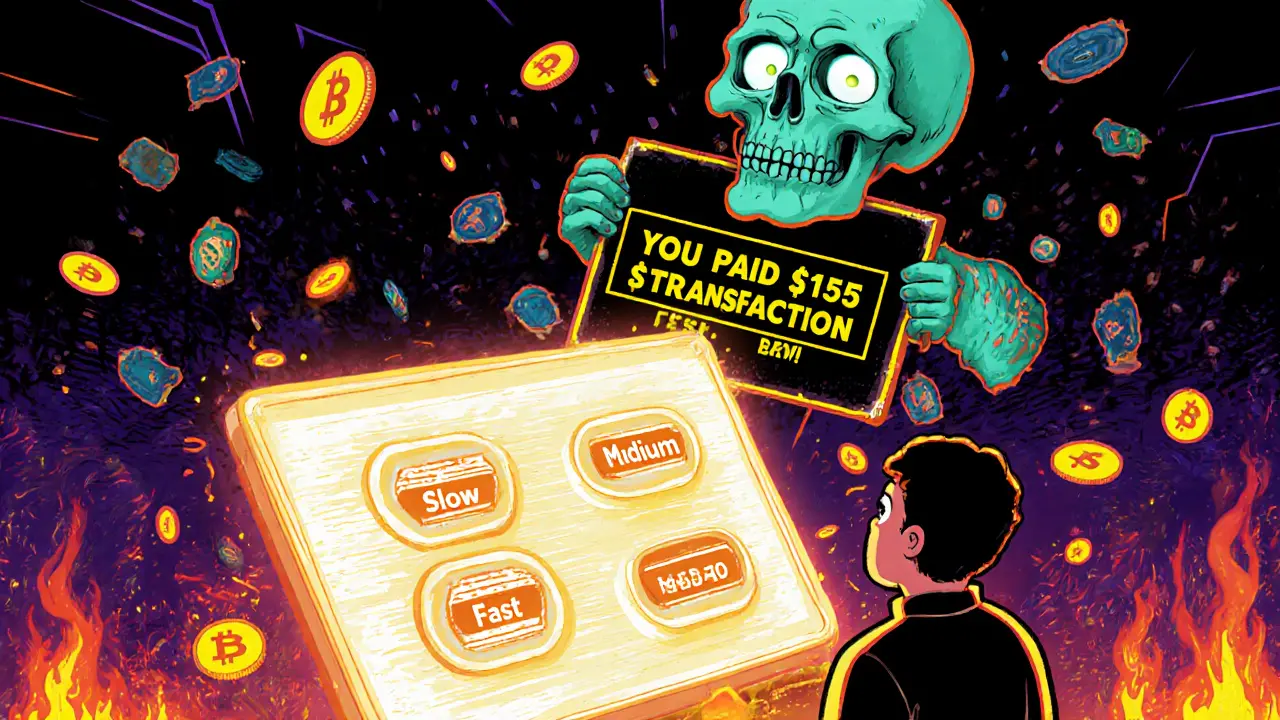
Learn how transaction fee estimation tools help you pay the right amount on Bitcoin and Ethereum, avoid overpaying, and get your transactions confirmed fast-without guesswork.
When you send crypto, pay for a DeFi trade, or mint an NFT, you’re not just moving money—you’re paying a blockchain fee, a cost charged by the network to process and confirm your transaction. Also known as gas fees, these charges vary wildly—from under a penny on some chains to over $50 on others. If you’re tired of getting shocked by surprise costs, you’re not alone.
These fees aren’t random. They’re driven by demand. When more people are trading on Ethereum, fees spike. On networks like NEAR or Arbitrum Nova, fees stay low because the infrastructure handles more transactions at once. That’s why platforms like Ref Finance, a DeFi platform built on NEAR Protocol can offer swaps for less than a cent, while older chains struggle. It’s not magic—it’s architecture. And it matters. If you’re swapping tokens, staking, or using a DEX, you’re paying these fees every single time. Some exchanges, like COREDAX, a regulated South Korean exchange with transparent fee structures, list their fees upfront. Others hide them in fine print—or don’t show them until you hit confirm.
And it’s not just about the network. Your choice of exchange plays a huge role. Some platforms charge extra withdrawal fees, deposit fees, or even fees for using their interface. That’s why a platform with low trading fees might still cost you more overall. You need to look at the full picture: how much you pay to trade, to move funds out, and to interact with smart contracts. That’s why posts on this page break down real cases—like why SushiSwap on Arbitrum Nova looks cheap on paper but fails in practice due to zero liquidity, or why KCCSwap has no official airdrop because the ecosystem doesn’t reward users the way it claims.
Some users try to avoid fees by using VPNs to access exchanges in countries with lower costs, like Bangladeshis bypassing local blocks. Others switch chains entirely, moving from Ethereum to Solana or Polygon just to cut costs. But there’s a smarter way: know where the fees are low, why they’re low, and which platforms actually deliver value. You don’t need to be a tech expert—you just need to know where to look.
Below, you’ll find real reviews of exchanges, DeFi platforms, and airdrops—all filtered through the lens of cost. We don’t just tell you what fees are. We show you which ones are worth paying, which are scams, and how to avoid getting ripped off. Whether you’re trading on a Korean exchange, farming yield on a dead protocol, or trying to claim a token that vanished after launch, the fee structure tells you more than you think.
23 August
Learn how transaction fee estimation tools help you pay the right amount on Bitcoin and Ethereum, avoid overpaying, and get your transactions confirmed fast-without guesswork.