How to Get the $GAME Airdrop by Gamestarter: Full Details
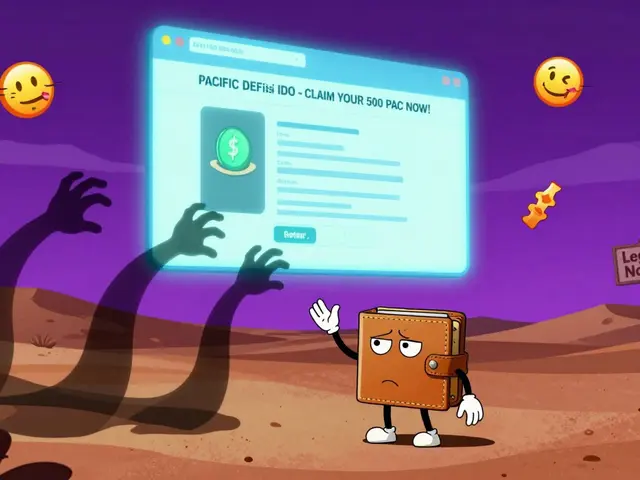
Want the $GAME airdrop? Learn how Gamestarter distributes tokens through social quests, staking, and IDOs. Get the real details on qualifying for rewards.
When you think of blockchain gaming, a type of video game where players earn real crypto assets through gameplay. Also known as play-to-earn gaming, it turns time spent playing into actual value—like owning a rare sword that’s an NFT or earning tokens you can trade on exchanges. This isn’t just fantasy. Games like SoccerHub and MetaniaGames v2 have tried to make this real, letting players earn SCH or METANIA tokens just by managing teams or completing quests. But not all of them work. Many tokens have zero trading volume, no team behind them, or vanish after the airdrop.
What makes blockchain gaming different from regular games? It’s the ownership. In traditional games, your items belong to the company. In blockchain games, you hold the keys. That’s where NFTs, unique digital assets stored on a blockchain that prove you own something. Also known as non-fungible tokens, they’re used for characters, gear, land, and even virtual real estate. If you buy a skin or a hero in a blockchain game, it’s not just a graphic—it’s a verifiable asset you can sell later. But here’s the catch: most of these NFTs have no real demand. SoccerHub’s SCH tokens had a hype cycle, but if no one’s buying them on exchanges, they’re just digital stickers. And then there’s the airdrop trap. Projects like Dinosaureggs’ DSG token or Archimedes’ ACMD gave away free tokens to build buzz—but then disappeared. These aren’t rewards. They’re bait.
That’s why crypto tokens, digital assets built on blockchains that represent value or utility within a project. Also known as cryptocurrency tokens, they’re the lifeblood of these games. matter. A token with no liquidity, no exchange listings, and no roadmap is just a number on a screen. BinaryX’s token swap to FORM in 2025 showed how even well-known projects can force users into changes they didn’t ask for. And if you’re not careful, you lose everything. The best blockchain games don’t just promise rewards—they have real players, real trading volume, and real teams updating the code. KCCSwap, OpenSwap, and SushiSwap on Arbitrum Nova all tried to be part of this world, but many failed because no one showed up to play—or trade.
So what’s actually working? Games that let you earn something you can use or sell. Projects that have been around long enough to prove they’re not a one-time scam. And airdrops that come from platforms you recognize—like MEXC or Bitget—not random websites with no history. If you’re diving into blockchain gaming, don’t chase hype. Look for proof: trading volume, active Discord channels, and updates that aren’t just marketing fluff. The ones that survive are the ones that make playing feel like work worth doing—not just a lottery ticket.
Below, you’ll find real reviews, broken-down airdrops, and scam alerts from people who’ve been there. No fluff. Just what you need to know before you click "claim" or spend your first crypto on a virtual sword.
4 April
Want the $GAME airdrop? Learn how Gamestarter distributes tokens through social quests, staking, and IDOs. Get the real details on qualifying for rewards.
24 February
Project Quantum (QBIT) is a crypto token tied to an unlaunched AAA game. With zero trading volume, no playable product, and conflicting price data, it's a high-risk project with little to no real value.