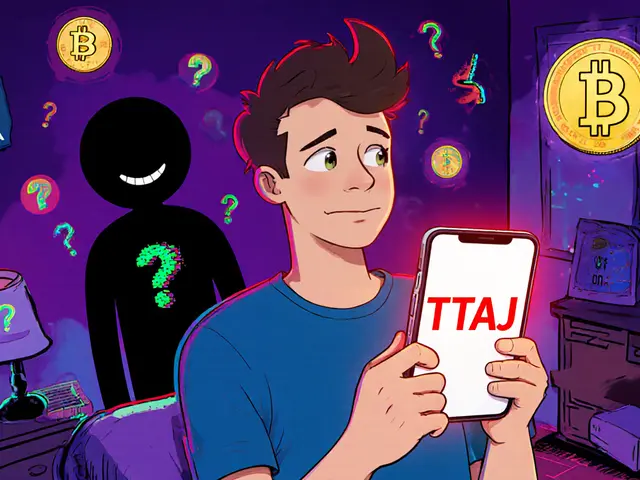
Blockchain Gaming Crypto: What It Is, How It Works, and Where to Find Real Projects
When you hear blockchain gaming crypto, digital games where players earn real cryptocurrency and own in-game assets as NFTs. Also known as play-to-earn gaming, it crypto gaming, it's not just hype—it's a shift in how games make money and who gets paid. Unlike traditional games where you spend hours unlocking items that only exist inside the game, blockchain games let you own those items as digital assets you can sell, trade, or use across platforms. This isn’t theory—it’s happening right now with games like SoccerHub and Project Quantum, even if most of them fail.
What makes blockchain gaming crypto, digital games where players earn real cryptocurrency and own in-game assets as NFTs. Also known as play-to-earn gaming, it crypto gaming, it's not just hype—it's a shift in how games make money and who gets paid. different is the NFTs in gaming, unique digital tokens that prove ownership of in-game items like skins, weapons, or land. Also known as non-fungible tokens, they're the backbone of true ownership. If you buy a sword in a regular game, it’s gone when the server shuts down. In a blockchain game, that sword is an NFT on the blockchain—you own it, no matter what. But here’s the catch: most NFTs in games are worthless. Only a few have real demand, like those tied to active player bases or real utility. That’s why projects like SoccerHub (SCH) and BinaryX (BNX) mattered—they had actual gameplay behind them, not just a token drop.
The third piece is crypto gaming tokens, the native cryptocurrencies that power in-game economies, reward players, and let them vote on game updates. Also known as gaming coins, they’re what you earn, spend, and trade. These tokens aren’t like Bitcoin or Ethereum—they’re built for specific games, often on chains like NEAR, Solana, or BSC. Ref Finance (REF) shows how this works: it’s not a game itself, but a DeFi tool used by gamers to swap tokens with near-zero fees. Meanwhile, tokens like QBIT or ZEUS? They’re just hype. No game, no team, no roadmap—just a ticker symbol and a Discord group.
Most blockchain games fail because they skip the fun. They focus on earning tokens instead of building a game people actually want to play. The ones that last—like SoccerHub or BinaryX—have real mechanics: managing teams, battling rivals, building worlds. The rest? They’re airdrop farms. You claim free tokens, hold them for a week, and they crash. That’s why you need to know the difference between a game with a token and a token pretending to be a game.
Below, you’ll find real reviews, breakdowns, and warnings about exactly what’s working and what’s dead in blockchain gaming crypto. Some posts expose scams. Others show how to actually earn from a game that’s still alive. No fluff. No fake promises. Just what’s real in 2025.