Blockchain in Banking: How It's Changing Finance Today
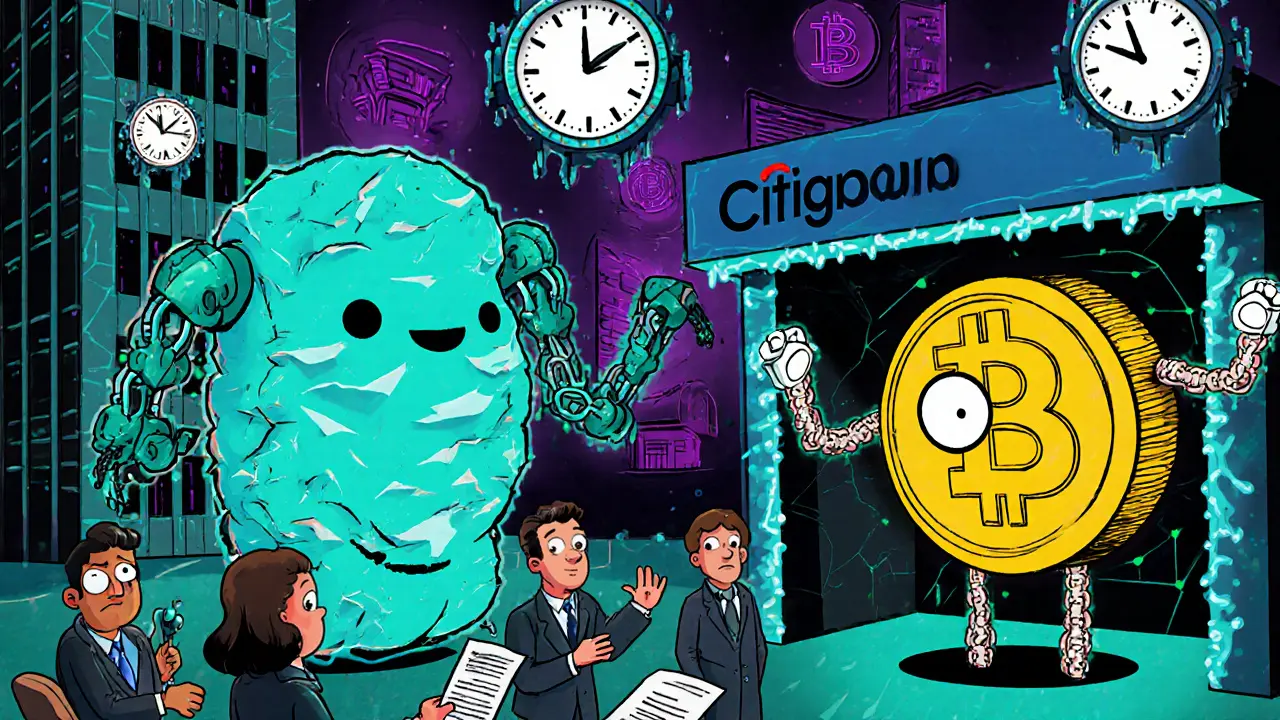
When you hear blockchain in banking, a system that lets financial institutions record transactions securely without a central authority. It's not science fiction—it’s already being tested by big banks like JPMorgan and HSBC to cut costs, speed up payments, and reduce fraud. Unlike old systems that take days to clear cross-border payments, blockchain can do it in minutes. And it’s not just about speed—it’s about trust. Every transaction is recorded on a shared, unchangeable ledger, so no one can secretly alter the records.
That’s why digital banking, the shift from physical branches to online and mobile-first financial services is now tightly linked to blockchain. Banks aren’t just adding apps—they’re rebuilding their core systems. For example, some now use blockchain to verify customer identities instantly, cutting down on paperwork and KYC delays. cryptocurrency banking, services that let customers hold, send, and earn crypto through traditional bank platforms is also growing. A few banks now offer crypto wallets alongside checking accounts, letting users switch between dollars and Bitcoin without leaving the app.
But it’s not all smooth sailing. financial technology, tools and systems that improve or automate financial services is still wrestling with regulation. Countries like Vietnam and Nigeria have allowed crypto trading but banned banks from directly handling it. Meanwhile, the UK and EU are pushing strict rules for stablecoins and exchange operators. The result? Banks move slowly. They want innovation but can’t risk fines or lawsuits. That’s why most blockchain projects in banking are still private, internal networks—not public ones like Ethereum.
What you’ll find below isn’t theory. It’s real cases: how a Nigerian trader navigates restrictions, why a Korean exchange had to comply with local laws, and how a failed token exposed the gap between hype and real utility. These stories show how blockchain in banking isn’t just about tech—it’s about rules, trust, and who gets left behind when systems change.