CMC Airdrop: How to Find Real Airdrops and Avoid Scams
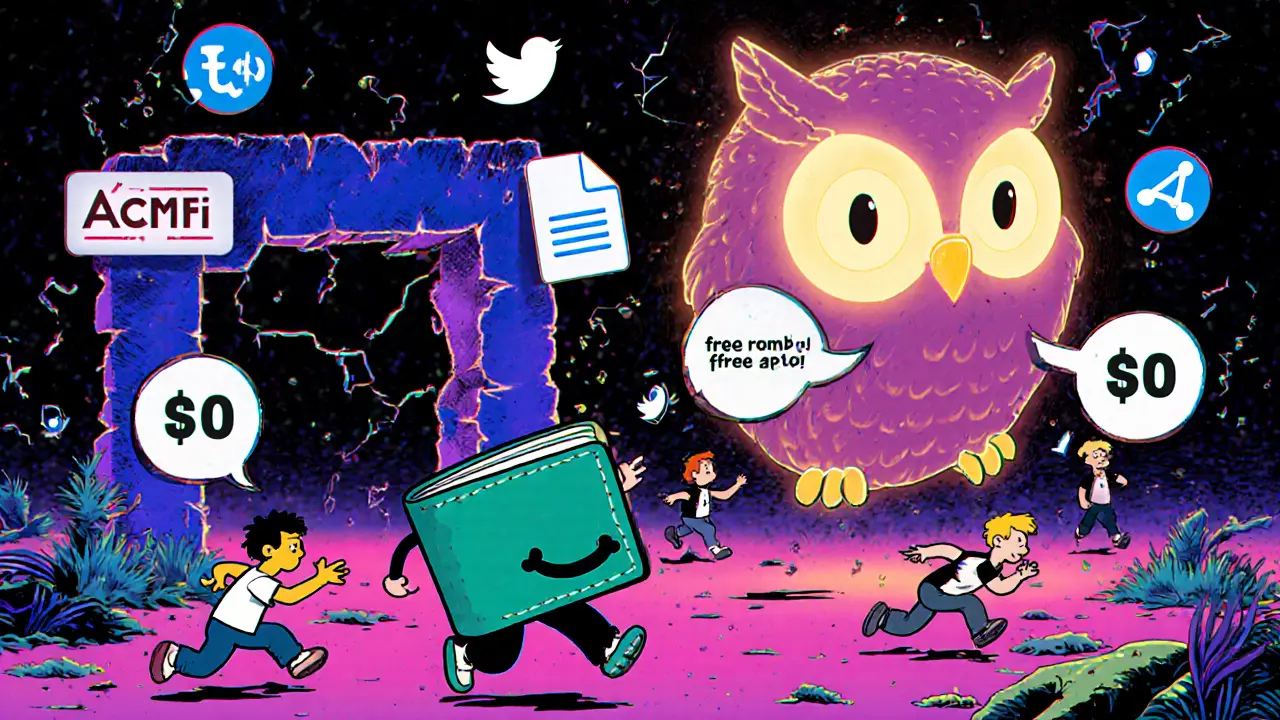
When you hear CMC Airdrop, a token distribution listed or tracked by CoinMarketCap that gives free crypto to users for completing simple tasks. It’s not a single event—it’s a category of free crypto offers that appear on CoinMarketCap’s airdrop page, often tied to new blockchain projects trying to build early adoption. But not every airdrop labeled as "CMC Airdrop" is real. Many are scams pretending to be listed there, using the name to trick people into giving up private keys or paying fees. The real ones? They never ask for your seed phrase. They don’t charge gas fees upfront. And they’re usually tied to projects that already have a working product, not just a whitepaper.
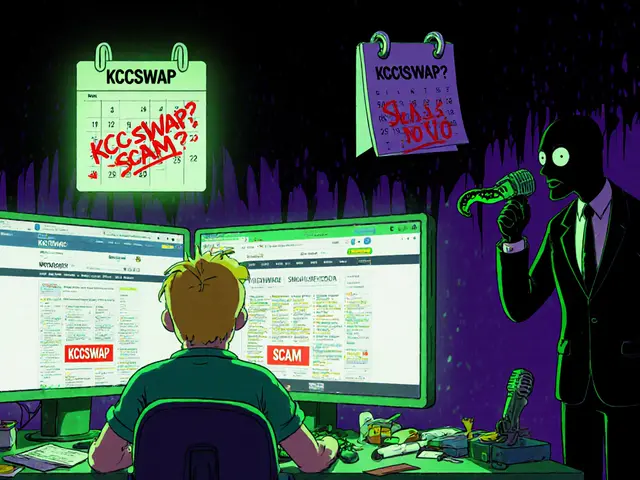
Related to this are token airdrop, the distribution of free cryptocurrency tokens to wallet addresses as a marketing or reward strategy, which can come from decentralized exchanges like Ref Finance or gaming platforms like SoccerHub. Then there’s airdrop scams, fraudulent campaigns that mimic real airdrops to steal crypto or personal data—like the fake DSG token airdrop with zero trading volume, or the KCCSwap airdrop that doesn’t exist. These scams often show up in search results or social media posts that say "Claim your free CMC Airdrop now!" They look official, but if you click, you’re handing over control of your wallet.
What makes a real airdrop worth your time? It’s not about how many tokens you get—it’s about whether the project has traction. Look at the team, the token contract, and whether it’s listed on any real exchange. The BinaryX token swap in March 2025 wasn’t an airdrop—it was a mandatory upgrade. People lost money because they thought it was free money. Same with Flowmatic ($FM): it promised DeFi tools but vanished overnight. Real airdrops come with transparency. They link to GitHub repos, they have active Discord channels, and they don’t promise 10,000x returns.
CMC Airdrop listings can be useful—if you know how to use them. CoinMarketCap doesn’t verify every project. It just lists what’s submitted. So you’re still responsible for doing the legwork. Check if the project has a live mainnet, real trading volume, and a history of updates. The AdEx Network airdrop in 2021 was legit because it gave tokens to users who actively participated in its ad platform. The BUNI airdrop by Bunicorn worked because users had to interact with the protocol first. These aren’t giveaways—they’re incentives for early users.
And don’t forget regional rules. In Nigeria, crypto is legal but exchanges are still being licensed. In Vietnam, you can trade crypto but not use stablecoins. If you’re in Bangladesh, you might need a VPN just to access the airdrop page. That’s the reality: airdrops aren’t global free-for-alls. They’re shaped by local laws, exchange partnerships, and wallet compatibility.
Below you’ll find real reviews of airdrops that actually happened, scams that got exposed, and projects that vanished. No fluff. No hype. Just what you need to know before you click "Claim"—so you don’t end up like the people who lost everything chasing fake CMC Airdrops.