Cross-Shard Transactions: How Blockchains Communicate Across Chains
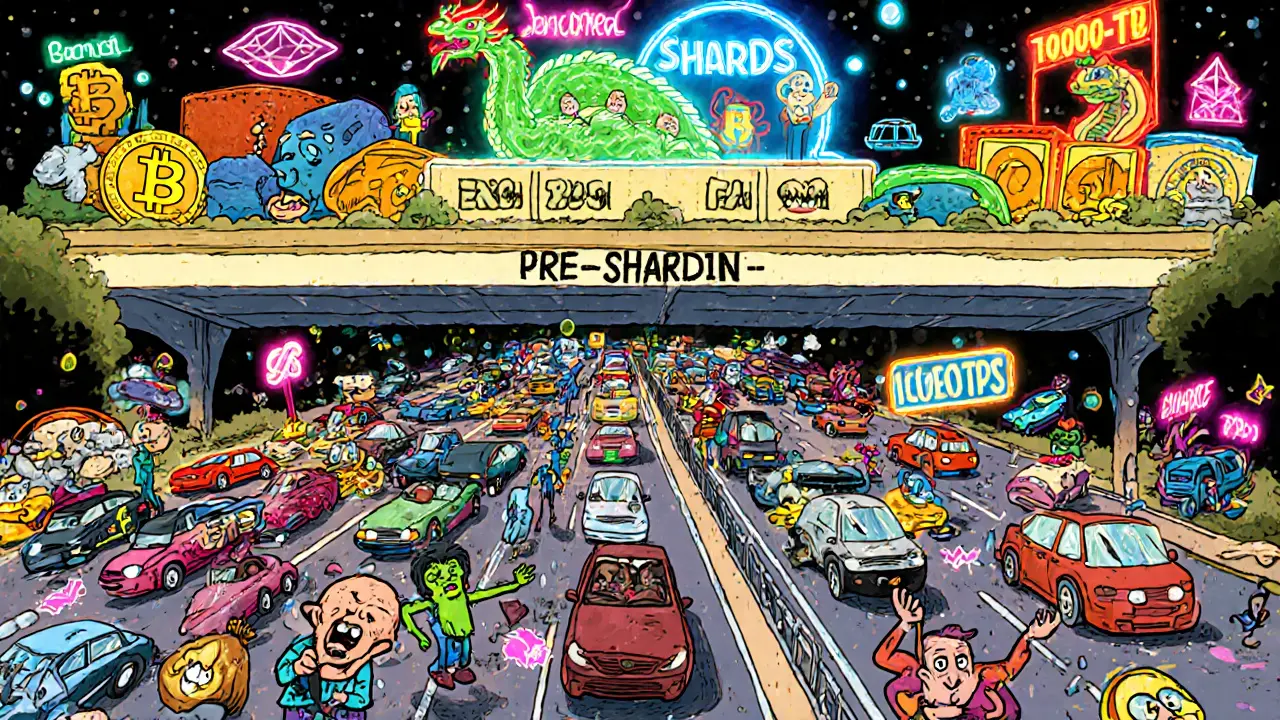
When you send crypto from one blockchain to another, you’re not just moving coins—you’re making a cross-shard transaction, a process that lets separate parts of a blockchain network exchange data and value without relying on third parties. Also known as inter-chain communication, it’s what makes modern DeFi possible without slow, expensive bridges. Think of a blockchain like a big warehouse split into sections—each section is a shard. Normally, items can’t move between sections without a clerk. Cross-shard transactions remove that clerk. They let shards talk directly, using smart contracts and consensus rules to verify what’s being sent.
Not all blockchains do this well. NEAR Protocol, a high-speed blockchain built from the ground up to handle sharding natively lets users swap tokens between shards in seconds, with fees under a penny. That’s why platforms like Ref Finance, a DeFi exchange running on NEAR can offer trades faster than most centralized exchanges. On the other hand, projects like Arbitrum Nova, a layer-2 solution that splits transaction processing to cut costs use similar ideas but aren’t true sharded chains—they’re optimized rollups. The difference matters: true cross-shard systems scale without sacrificing security, while others just move workloads around.
Why does this all matter? Because if your favorite DeFi app is stuck on one chain, you’re missing out. You can’t easily farm yield on NEAR while holding tokens on Solana. You can’t play a game on Arbitrum and use your NFTs on Polygon without a bridge—and bridges get hacked. Cross-shard systems fix that. They’re the reason you see projects like KCCSwap and OpenSwap trying to build on chains that handle internal communication natively. But not all claims are real. Some platforms pretend to be sharded just to sound technical. That’s why you’ll find posts here exposing fake DEXs, dead tokens, and misleading airdrops tied to misunderstood tech.
What you’ll find below aren’t just articles about crypto. They’re real-world case studies. You’ll see how a failed exchange on Harmony collapsed because it couldn’t handle cross-shard flows. You’ll learn why a token called QBIT has no value—it’s tied to a game that never launched on a chain that doesn’t even support sharding. You’ll discover how Nigerian traders bypass restrictions using exchanges that actually work with multi-chain systems, not ones that pretend to. This isn’t theory. It’s what’s happening right now in the messy, real world of blockchain.