Crypto Mining Electricity Cost: What It Really Takes to Mine Bitcoin and Other Coins
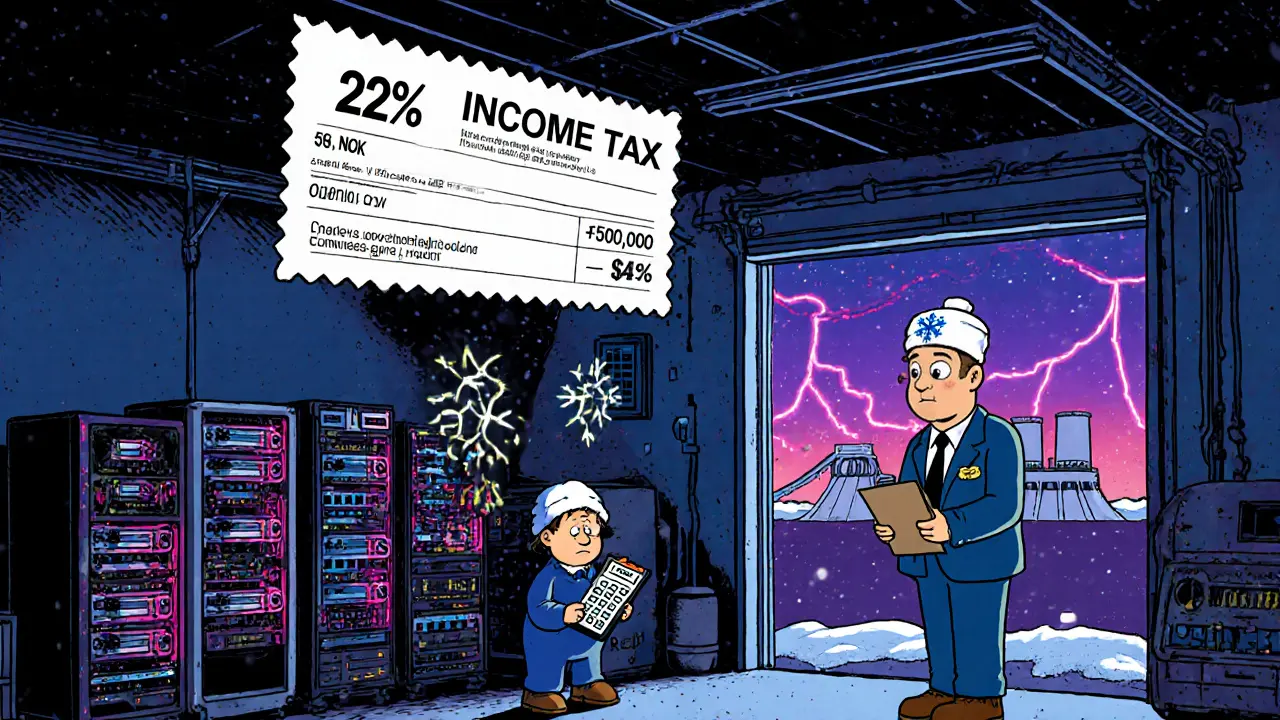
When you mine crypto mining electricity cost, the amount of power your mining rig uses to solve blockchain puzzles and earn rewards. It's not just a number on your bill—it's the difference between profit and loss. If your electricity rate is $0.15 per kWh and your ASIC miner uses 3,000 watts, you're spending $10.80 a day just to keep it running. That’s before hardware wear, cooling, or internet fees. Most people think mining is about getting free Bitcoin. The truth? It’s about managing energy like a utility company.
That’s why mining hardware, the physical machines like ASICs and GPUs used to validate blockchain transactions. Also known as mining rigs, they’re built for one thing: efficiency matters more than hype. A new Antminer S21 uses 32% less power than last year’s model—but if you’re in Texas with $0.12/kWh, you’ll still lose money if Bitcoin drops below $30K. Meanwhile, miners in Kazakhstan and Georgia are running rigs 24/7 because they pay less than $0.03/kWh thanks to cheap hydro and wind. Location isn’t a preference—it’s a survival tactic.
mining pools, groups of miners who combine computing power to increase their chances of earning rewards and split payouts exist because solo mining is nearly impossible now. You’d need millions in hardware and a nuclear plant to compete with Bitmain’s farms. Pools smooth out the income, but they also take a cut—usually 1-3%. And if your pool moves to a country with new rules, like Venezuela’s state-controlled mining program, you might lose access overnight. Mining isn’t decentralized when the power grid controls your access.
And don’t forget crypto mining regulations, government rules that dictate who can mine, where, and under what conditions. Also known as mining laws, they’re changing fast. In 2025, Nigeria lifted bans but left enforcement messy. Vietnam legalized crypto as assets but blocked stablecoins and set a $379M barrier for exchanges. China’s crackdown didn’t just shut down farms—it forced thousands of rigs to relocate. If you’re mining in your garage, you’re not just fighting electricity costs—you’re gambling on whether your city will outlaw it next month.
What you’ll find below aren’t just guides—they’re real stories from people who lost money, moved countries, or switched to solar. Some tried mining Ethereum before the merge. Others bought secondhand ASICs and got stuck with power-hungry bricks. There are posts about Venezuela’s state-run mining pools, how Bangladeshis use VPNs to access mining software, and why a miner in Texas quit after his utility bill doubled. This isn’t theory. It’s what happens when you plug in a machine and hope the math works out.