Crypto Mining in Georgia: Rules, Risks, and Real Options in 2025
When it comes to crypto mining Georgia, the practice of using hardware to validate blockchain transactions and earn rewards. Also known as Bitcoin mining in Georgia, it’s one of the few places in the region where electricity is cheap enough to make it worth the risk. Unlike Venezuela or Nigeria, where governments clamp down hard, Georgia has stayed mostly hands-off — but that doesn’t mean it’s safe or easy.
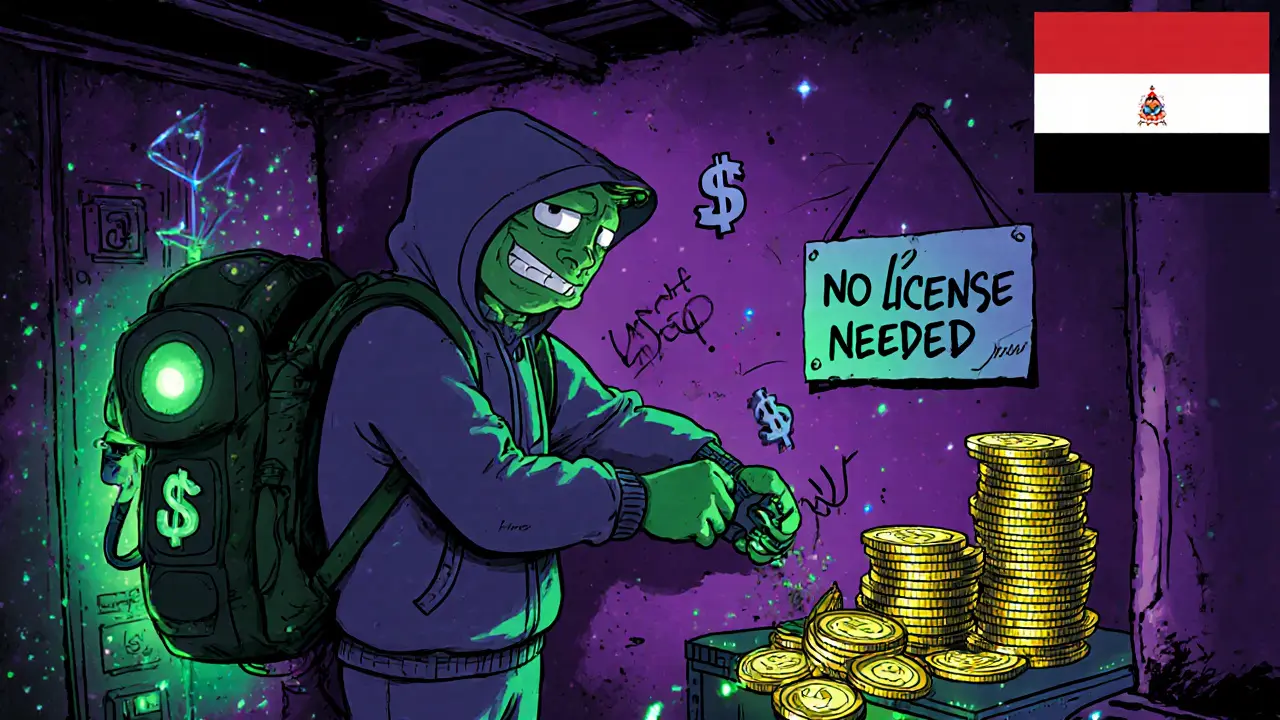
What makes Georgia different is its crypto energy costs, the price per kilowatt-hour that directly determines if mining is profitable. Thanks to hydropower and low domestic demand, electricity here can be as low as $0.03 per kWh — far cheaper than in Texas or Germany. But here’s the catch: most of that cheap power goes to industrial users, and individual miners often get stuck with higher rates once they connect to the grid. Plus, the government doesn’t officially recognize mining as a legal business, so you can’t get a license, open a bank account for mining income, or claim tax deductions. It’s a gray zone — legal enough to run machines, but not legal enough to protect you if something goes wrong.
Another big factor is crypto regulations Georgia, the lack of clear rules that leaves miners vulnerable to sudden changes. While there’s no ban, there’s also no protection. In 2024, a group of miners had their equipment seized after a local utility accused them of stealing power. No charges were filed, but the gear was never returned. And unlike in Kazakhstan or the U.S., there’s no official registry of mining operations, no reporting requirements, and no oversight — which sounds good until you realize no one is watching out for you.
Most miners in Georgia operate quietly — small setups in basements or rented warehouses, often using generators to avoid grid fees. Some link up with local data centers that offer cooling and backup power, but those deals are rare and expensive. The big players? They’re not here. You won’t find a single large-scale mining farm in Tbilisi or Batumi. The market is made up of individuals and small groups, often from Russia or Ukraine, who moved here for the power and stayed because the bureaucracy stays out of their way.
So what does this mean for you? If you’re thinking about setting up a miner in Georgia, you need to treat it like a high-risk side hustle — not a business. You’ll need to buy hardware that’s efficient enough to run on cheap power, avoid any paper trail, and be ready to pack up and leave fast if things change. There’s no safety net. No legal recourse. No official support. Just your machines, your electricity bill, and your luck.
Below, you’ll find real reviews and breakdowns of what’s actually happening on the ground — from the scams pretending to offer mining contracts in Georgia to the hidden costs no one talks about. Some posts expose fake mining pools. Others show how people are using solar panels to cut costs. A few even warn about local power companies shutting down entire neighborhoods because of "excessive usage." This isn’t theory. It’s what’s happening right now.