Crypto Policy Vietnam: What’s Legal, What’s Blocked, and How Traders Are Adapting
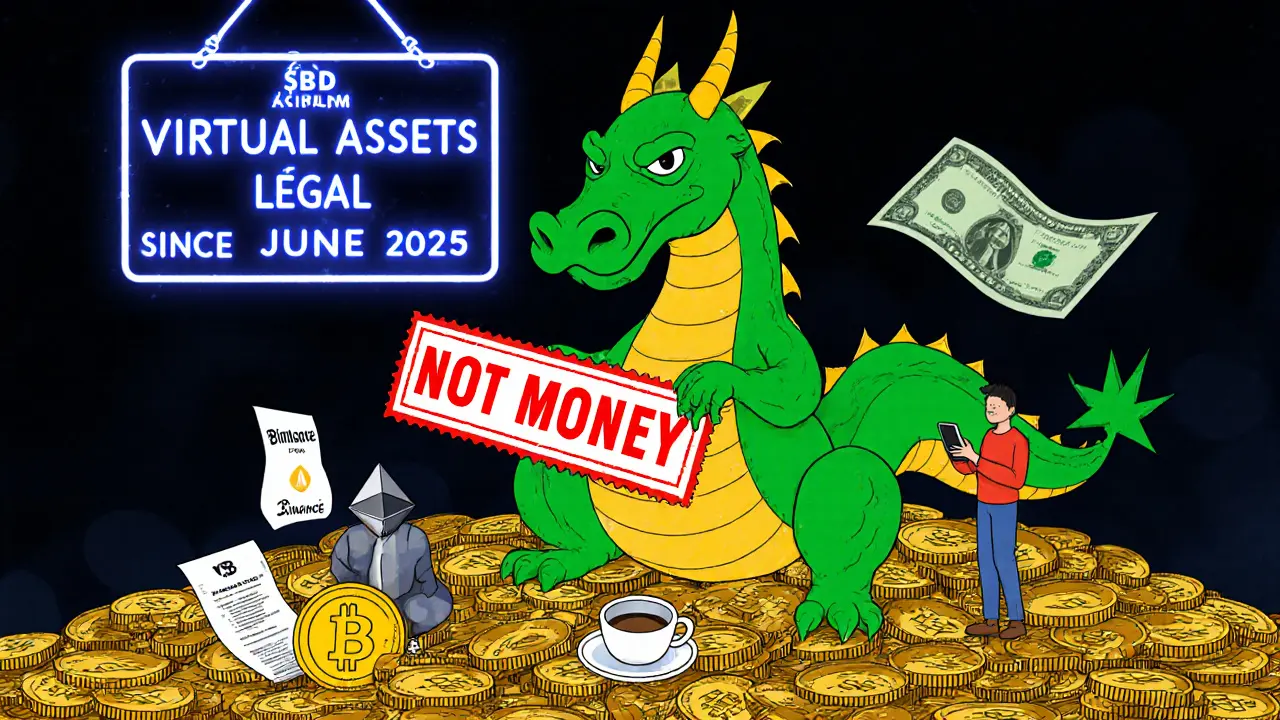
When it comes to Crypto Policy Vietnam, the set of rules and unofficial practices that govern how individuals and businesses use digital currencies in Vietnam. Also known as Vietnam cryptocurrency regulations, it’s not a simple ban or free-for-all—it’s a maze of silence, local enforcement, and sudden shifts. Unlike China or Nigeria, Vietnam never officially outlawed crypto. But it also never said it’s legal to trade or use Bitcoin as payment. That ambiguity is the real policy.
That’s why Vietnamese traders rely on crypto exchange Vietnam, platforms like Binance, OKX, and KuCoin that operate without a local license but are still widely used. Also known as Vietnam crypto trading platforms, these exchanges let users deposit via bank transfer, peer-to-peer, or e-wallets—even though the State Bank of Vietnam warns against it. The government doesn’t shut them down, but it doesn’t protect you if something goes wrong. Meanwhile, Bitcoin Vietnam, the most commonly held digital asset among locals, used for remittances, savings, and speculative trading. Also known as BTC in Vietnam, it’s become a de facto hedge against inflation and currency devaluation, especially among young urban professionals. And while you won’t find a single law that says "you can buy crypto," you’ll see it on every street corner in Hanoi and Ho Chi Minh City, where P2P sellers advertise in cafes and online forums.
The real tension shows up in taxes. In 2023, Vietnam started requiring individuals to report crypto gains, but enforcement is patchy. Most people don’t file. The government hasn’t built the systems to track it, and few audits happen. But if you’re a high-volume trader or run a business, the risk is real. That’s why many use crypto trading Vietnam, the act of buying, selling, or holding digital assets within Vietnam’s legal gray zone. Also known as Vietnam crypto activities, it’s often done through offshore wallets, VPNs, and foreign bank accounts to avoid scrutiny. The rules aren’t written in stone—they’re written in silence, and everyone’s guessing what the next move will be.
What you’ll find below isn’t a legal textbook. It’s a collection of real stories from Vietnamese traders, breakdowns of exchange access methods, comparisons of local P2P risks, and deep dives into how policy changes in neighboring countries like Thailand and Indonesia ripple through Vietnam’s underground crypto scene. You’ll see how people are navigating the uncertainty—not with fancy tools, but with common sense, local networks, and a healthy dose of caution. This isn’t about regulation. It’s about survival in a system that won’t say yes, but won’t say no either.