Crypto Seizure: What Happens When Governments Take Your Crypto
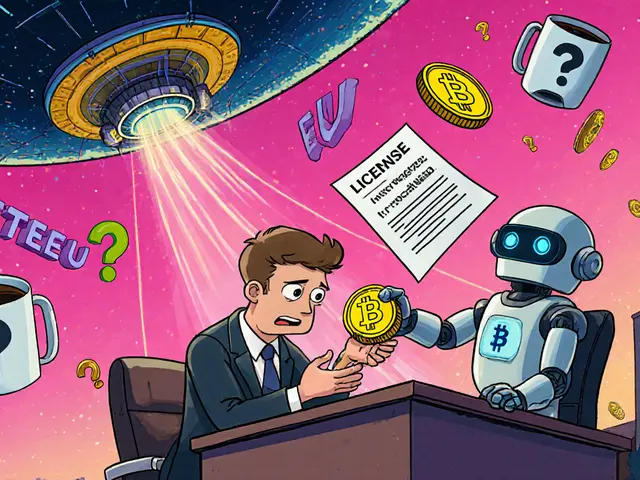
When you hear crypto seizure, the forced taking of digital assets by government authorities. Also known as crypto asset forfeiture, it’s not science fiction—it’s happening right now in places like the U.S., Nigeria, and South Korea. It’s not just about stopping crime. It’s about control. Governments don’t just want to catch bad actors—they want to make sure no one trades crypto outside their rules.
Crypto exchange restrictions, rules that limit who can trade, where, and how. Also known as crypto regulations, they’re often the first step before a seizure. If you’re in Nigeria and your exchange gets shut down, or if you’re in Venezuela and your mining rig gets taken because you didn’t register with SUNACRIP, you’re not just losing access—you’re losing ownership. The same goes for traders in Indonesia or Vietnam, where legal gray zones turn simple transactions into legal risks. These aren’t theoretical threats. They’re real, documented, and growing.
Most seizures don’t happen randomly. They follow a pattern: first, regulators warn exchanges. Then they demand user data. Then they freeze accounts. Then they take the coins. In the U.S., the IRS and DOJ have seized millions in crypto from unlicensed platforms. In South Korea, exchanges like COREDAX had to comply with strict local banking rules just to stay open. And in places like Bangladesh, people use VPNs to avoid detection—because if you’re caught, your wallet might be next.
It’s not just about big exchanges. Even small DeFi platforms like OpenSwap on Harmony or CreekEx got wiped out—not because they failed technically, but because they operated without legal cover. If a project has no team, no license, and no clear jurisdiction, it’s already a target. Your tokens might look safe on your wallet, but if the platform behind them gets raided, your access vanishes overnight.
And it’s not just about the money. In Venezuela, miners don’t just lose their hardware—they lose their livelihood. State-licensed mining requires you to join a government pool, get approved, and wait months for payment. Refuse? Your equipment can be seized. It’s not theft. It’s policy.
So what’s the real risk? It’s not that crypto is illegal everywhere. It’s that it’s unpredictable. One day, you’re trading on Binance. The next, your country bans it. One day, you’re mining for profit. The next, your rig is confiscated. There’s no global rulebook. Only local laws—and they change fast.
That’s why the posts here aren’t just reviews or guides. They’re survival maps. You’ll find real cases: how Nigeria’s rules shifted in 2025, why Koinex vanished in India, how HM Treasury now monitors UK exchanges, and why Project Quantum and Flowmatic are dead before they even launched—not because they were bad, but because they had no legal shield. You’ll see how airdrops like DSG or ACMD turned into ghost assets, and why some exchanges like Woof Finance and CreekEx were scams from day one—because they never planned to survive regulation.
What you’re about to read isn’t theory. It’s what’s already happened. And it’s what’s coming next. If you hold crypto, you need to know how it can disappear—not from hackers, but from the government.